My guest on the podcast this week is my friend Amber Braddy Jones. Amber’s husband Dale and my husband Logan have been close friends since high school, and though we have never lived near each other, I’ve always loved when our families spent time together. Amber is a kindred spirit and a beautiful soul. I have always been impressed by Amber’s writing that she has shared on social media, and she has compiled her writings and poetry into a book that was recently published. Find Sacred by Amber Braddy Jones on Amazon.
In our conversation, Amber shares her experiences growing up in evangelical Christianity, the impact of purity culture and sexual abuse, and the challenges faced in her marriages and ministry due to complementarian beliefs. She discusses the pain of leaving the church and the need for empathy and understanding within faith communities. Amber emphasizes the importance of affirming all individuals and serving communities without strings attached, while also reflecting on her mental health challenges that arose from these experiences. You can find TBKB Podcast on your favorite platform here: https://podlink.com/1858367321 or watch the video on YouTube. Comment your thoughts below or email me at ruthperry@thebeautifulkingdombuilders.com. Thank you for listening, and if this episode resonated with you, would you share it with a friend?
Transcript:
Ruth Perry (00:15)
My guest today is Amber Braddy Jones, a longtime friend as our husbands grew up together. And they even sang together in the Step of Faith men’s Gospel group that toured around Eastern North Carolina back in the day. Amber has recently published a book called Sacred that has her writings and poetry from over the past 15 years as she’s been healing from purity culture and perfectionism and from being a sexual abuse survivor. So check out Sacred. Buy a copy for yourself or for a friend.
And see if you can find, I’ve left a little Michael Scott blooper in here for you today, where I mix up the words of a common phrase that everybody should know. And if you find it, let me know on a comment thread, somewhere on social media, on one of my pages, or on my website, thebeautifulkingdombuilders.com. Without further ado.
Here is my conversation with Amber Braddy Jones
Ruth Perry (01:12)
So what I wanted to talk with you about, what was it like for you growing up in the evangelical church the good, the bad, the ugly, just speaking from your heart, what your experience was like growing up Christian in America.
Amber Jones (01:25)
What a time to be alive.
Ruth Perry (01:25)
What kinds of things have given you hope, what things have broken your heart, I don’t know. Cause I know you and Dale, but I don’t know you the way Logan knows Dale. I feel like you’re a kindred spirit. But I would love to know more about you, like what was your life like growing up Christian in America?
Amber Jones (01:48)
Whoa.
Very multifaceted. I’m just going to jump into it. I loved my childhood. I was a very happy child. I loved church. We were the type of family that every time the church doors were open, we were there. It was, I mean Sunday school, Sunday morning church, children’s church, Wednesday night revival, youth groups on Friday night. We had, Teen Talent, which was like a teen talent competition that we would travel all over and that was pretty much year-round for us. We started practicing our little songs we were gonna do, you know, so we were in church constantly and I loved every second of it. Like I didn’t have a clue really about any of the issues or problems with the church. Now there were a lot of issues and problems I had with me personally. I internalized a lot of the doctrine that was being thrown at me and growing up in evangelical Christianity I really do feel like
it can go a couple of different ways for people. One of them, I think people can develop a savior complex where it’s like, we have the answers. We have to go out and convince all of these people that we’re right and you’re wrong and come to our side. We’re the right ones, you know? And then there’s also a camp where I feel like I fell in, which was like, I’m never gonna be good enough. I’m not enough. There’s nothing that I will ever do to earn what I need to earn to get where I need to go and do what I need to do. So it was very fear-based I’ve dissected this for years now. I don’t even think a lot of it was intentional. I think people were just scared. It was fear mentality and it just translated to a child growing up in this that you’re not good enough. You’re never gonna be good enough.
And so I just, I was on a quest to like prove that I’m worthy. I’m good. I can do this. And it created a lot of mental health issues, perfectionism issues. I was a hypocrite if you want to put it into church terms like that because I had a facade on Sunday morning that wasn’t quite the truth during the week which created a whole nother set of internal struggles for me.
So it’s very multifaceted and in one respect I loved my childhood, I loved what we did and it was fun and I’m so thankful for the experiences that I had and the people that I had in my life around me but also now coming to this part of my life I see where there were just very toxic teachings that I’m still undoing to this day.
Ruth Perry (04:25)
Yeah, I relate. So did you grow up Pentecostal like Dale?
Amber Jones (04:28)
Yes, Pentecostal
Ruth Perry (04:53)
Yeah, I grew up Baptist, but I relate to the fear. Like I didn’t know it at the time. And it’s not that that’s the explicit message. Like you said, it’s you’re hearing the message that God is love, all of these really good things. But then there’s also that just the culture is conditioning you to seek affirmation from them and belonging. In ways that you have to shape shift to receive those things. And yeah, it’s hard to be your authentic self. Even like, I bet it sounds to me that you’re also a good girl.
Amber Jones (05:05)
Yeah! I’m recovering good girl!
Ruth Perry (05:17)
And that you were probably received a lot of, you probably received a lot of affirmation in the church, like I did too. And it was hard to reconcile for me personally, I just never, I did what I needed to do to receive that affirmation and I also perceived myself as being that person that was a good person. But so much fear of the people outside and fear of being rejected.
Amber Jones (05:33)
Absolutely.
Ruth Perry (05:34)
Looking back, are there particular doctrines that you understand now that were harmful to you?
Amber Jones (05:42)
Purity culture is a huge one. Purity culture, that to me started my mental health journey honestly. As a good girl growing up Pentecostal Holiness, but also developing very early like I got my period early, got boobs early, like just was very aware of my body early and it was your body’s bad. It was the message of you’re a temptress. You know, we grew up in an environment where if we went swimming with the opposite sex, like we were the ones that had to cover up, you know, the boys could wear their swimming trunks with no shirts. And, you know, we always had to wear, even if we wore a one piece, we had to wear a t-shirt over it and we couldn’t let the boys see. And we always had to walk that line of not being a temptress and that was early on. And then, you know, I’ve been very public in certain places with my sexual abuse struggle that when I was about eight years old, I started being sexually molested by a family member that nobody knew about that was happening. And so then I had to deal with all of those.
shame cycles of what did I do to cause this at eight years old and then you know that continued until I was about 12 years old and then finally I told my parents what was going on and then you know that stopped. But just the purity culture message to me is a very toxic message in the church that I’m not sure if we still have honestly because I’m so far removed.
Ruth Perry (06:56)
I’m so sorry.
Amber Jones (07:17)
from the church at this point, but I feel that it’s still there. I feel that we still have a lot of the messages to women and young girls that they’re the problems and they just need to cover up and be less and all of those things and that was a very detrimental message to me growing up.
Ruth Perry (07:35)
I also received, like on top of purity culture though and all the messages about modesty, there were also just a lot of pervy older men in the church that made me so uncomfortable.
Amber Jones (07:45)
Same, All right.
Ruth Perry (07:51)
A lot of attention from men, once I hit puberty and beyond, it was uncomfortable.
Amber Jones (07:57)
Yep. Very uncomfortable. Very uncomfortable. And you know, we grew up in the 80s and 90s. So it was like, any type of like short skirt or shorts or, you know, heels, I am very much into fashion. Kind of always have been in a way. And I remember from a very early age being kind of, like that’s too much. First of all, because of my weight, it was, you’re too big to wear that. And also you can’t wear that because it may be a hindrance to your brother type of thing. And so that was really hard to reconcile for me because I am a very free spirit by nature. I feel like I always have been. And I can just remember being like, wait a minute, what? Why can’t I do this? And why can’t I wear this? And why can’t I turn around with my dress on and let it fly up and all the things. And so, the message to me was like, you’re bad, you’re too much, you need to hide, you need to cover, you need to settle down, you’ve got a husband that you’re trying to grab one day and so you’ve got to be pure for him and just awful. Just awful.
Ruth Perry (09:06)
How did that pressure for perfection as a sexual assault survivor, what was that like for you?
Amber Jones (09:14)
Well, I internalized that early on, that that was my fault. And through therapy now, obviously I know that it was not, but I think that for me, I always had to make sure that I was doing the right things. Because if I wasn’t doing the right things, then I was wrong, I was bad.
I internalized that whole message. And so I always had to put on a front and the face that everything was good, we’re good, I’m good.
Even in my marriage with Dale, we’ve been married almost 25 years now. Early on, it was like neither one of us wanted to accept that anything was wrong in our marriage. Like we would rather just deny, deny, deny, we’re good, we’re good, we’re good, rather than really facing the issues because, you know, he struggled with that perfectionism as well in his life. So it comes full circle and if you don’t get that dealt with, it can wreak havoc everywhere.
Ruth Perry (10:11)
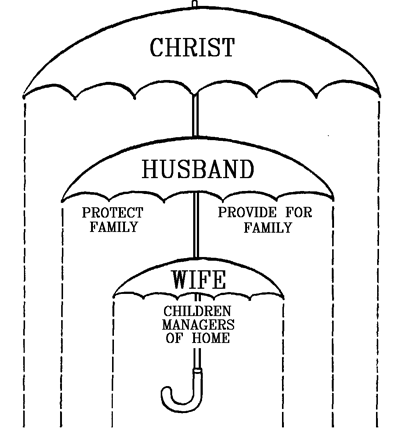
Did complementarian theology negatively impact your marriage in any way?
Amber Jones (10:17)
Absolutely. I remember early on, I never really had boyfriends growing up.
So Dale was like my first serious boyfriend when I was 20 and I remember I went to Bible college and I remember when I went away to Bible college like the reason why I was going to Bible college was because I wanted to find a husband like that was my mission in life. That’s what we were taught like you’re not a complete person until you find your husband and You know, I was on the hunt for that didn’t find it at Bible college came home Dale and I met he was singing with Ricky with the singing group and we started as friends for a while and then it just progressively got to you know where we were interested in each other romantically but talk about you know imposter syndrome with me and him because he was older, he grew up in church he was in a singing group like I felt like I can never live up to this man, you know? And now I’m like, you’re lucky to have me bud, you know?
Ruth Perry (11:19)
Yes.
Amber Jones (11:21)
You’re lucky but at the time like it was my gosh if I can keep him he became my identity. I was there to basically serve him and honestly Ruth I know I’m jumping but even me working in ministry years later in a church, when I had kind of gotten out of evangelical Christianity Dale and I kind of walked away from the Pentecostal Holiness Church and moved into a more non-denominational progressive more progressive type church where grace was the central message which was healing for us at the time. But I became a staff member there for worship and I remember I would never call myself the worship leader because I was a woman. And this was years later. I was a professional woman in my 30s, had children, had left the evangelical Christian Pentecostal, but still had to have my husband and all the other men worship leaders out in front. And I could step up and sing a song every once in a while and lead people, but the men had to be the worship leader. And I’m just like, now? I’m like, what the?
Ruth Perry (12:05)
Yeah. And Amber, you are the real deal. Like when it comes to singing, you’re extraordinary and amazing and gifted and called. And yeah, it’s hard to see women who are so gifted to even imagine that they would have any kind of self doubt.
Amber Jones (12:35)
Thank you. I could do everything behind the scenes and did everything behind the scenes. I mean, pick the songs out, the set list, pick the band. I mean, ran the rehearsals, did every single thing that was required to have an excellent worship experience for people, but did not feel the confidence to step myself out and actually be the full-time worship leader for this congregation of people, which is really sad.
Ruth Perry (13:13)
Did the leadership of the church call out your leadership and your gifts?
Amber Jones (13:18)
They did really push women in leadership. and I remember them kind of encouraging me and you need to step out. So yeah, they were very encouraging in that point. That was just a personal thing of mine of the way that I grew up.
Ruth Perry (13:33)
I’ve been deconstructing complementarian theology for, I think, 15 years now. And I just realized two years ago that I needed to, pursue my calling in ministry regardless of what my husband is doing. I have a calling, too, and it’s not just to ride his tailcoats. It takes a long time to unlearn the way we were taught.
Amber Jones (13:55)
Absolutely. It really does. really does. Yeah, it does. Still unlearning.
Ruth Perry (13:58)
Yeah. So you left Pentecostalism behind and I’m curious to know, what was that experience like for you? Because you come from a small community and then Pentecostal community inside of that community is even a smaller community, but you still encounter all these people. And like, how have you been?
Amber Jones (14:09)
Yes. Yeah.
Ruth Perry (14:24)
How, what was that experience like for you?
Amber Jones (14:28)
It was hard in some ways. When we decided, we had been contemplating making the move for about a year probably. Just, we were just burned out. We were burned out.
From our marriage, like our marriage was not good. Barrett was small, I was actually pregnant with Chandler at the time but Barrett was small. Our marriage was not great. We were not great personally and we had just needed a change. There were just some things in the church that we were just like, we are not feeling this.
And we finally made the move, which was very hard because my whole family was a part of that church. I mean, my grandmother was a member of that church until she passed away a few years ago. Cousins, aunts, like so many people that still attend the church. And most of them have been great. You know, you have a few people who I was friends with and it totally changed the relationship, which was hard and heavy.
But now that I’m on the other side of that I’m like some of that could have been me as well. I try not to stay in victim mentality with it as it’s like I was changing and growing as well. So it wouldn’t it wouldn’t have lasted the distance anyway, probably with where my mindset and my theology was going. So it was better probably at that time to go ahead and cut the ties. But at the time it was very painful and it felt very isolating.
So when we switched that congregation and made our way to the new congregation we jumped in like because we were missing our community at that point and so that will probably wasn’t the best thing to do as well it was basically going from one congregation full force to and I mean cuz Dale and I were very involved we’ve been involved in ministry since I mean, forever, since we were little kids singing. Both of us grew up singing in the church at little kids. You know, I taught children’s church, sang on the praise team, like always. And so we left that ministry, Pentecostal Holiness Ministry, went into this more non-denominational ministry, jumped in head first there, which probably wasn’t the smartest thing for us to do at the time. So.
And we ended up staying there about 10 years, and then we parted ways as well.
Ruth Perry (16:33)
And now you say you’re far from the church. Tell me about that.
Amber Jones (16:36)
Yeah, we haven’t attended church in a few years.
We were both in ministry positions at our previous church, And both of us served in, I would say full-time ministry, even though I was only considered part-time, it was full-time ministry. We both were involved and he actually left his credit union job that he had been at for almost 30 years to be on full-time staff at this church. And so it was big. We downsized our home, moved into a smaller home.
It was a big deal for us to do this. He ended up staying about three years and he was completely burned out, like classic burnout. And I was burned out as well, but I’m a little bit better at faking it til you make it type person. And so I remember certain things, you know, he would be very vocal about.
And I would say, no, no, no, no, you can’t say that. can’t. Because I had learned how to exist in the system. And I was very good at, like you said, shape shifting into these systems. And so I had planted myself firmly in this system. And now Dale was disrupting that and started calling things out. And it made me very nervous.
Being like mm-hmm like you can’t say that you can’t do that you have to operate this way to stay in the good graces and it became apparent he wasn’t able to do that and so then once he stepped away certain things just started happening that now I was like that’s my husband and this we’re gonna start calling this out.
So we ended up parting ways with that church around the time of COVID, which was, you know, pretty convenient for us. Honestly, was like churches were closing anyway. So it was like the perfect time for us to step away and just figure out can we exist in this congregation now with not being in ministry? Because as you know, when you serve on a church and you’re in the inner circle, and then you step back, it’s really hard to then enter back into that congregation as just a congregation member. So we had to figure out if we could even do that knowing a lot of the behind the scenes and we couldn’t.
And then we of course began looking for another church in town. It was like, oh well what do we do? We go to church on Sunday so let’s find another church. And so we tried a few and never really landed anywhere. We were at one for almost a year probably and started singing again and leading worship again and then it was just like it just wasn’t a good fit for us. And you when you know you know and so I have a hard time because I don’t want to ever make anybody feel like their ministry is not good or you know I don’t want to talk bad about somebody’s ministry but it’s just not a good fit for me. I can say that at this point in my life.
We haven’t gone anywhere in a few years. And I’m at peace with that. Honestly, I’m at peace with that.
Ruth Perry (19:30)
Yeah. Well, I wonder, it just seems like the church in America has become so commercialized and they’re run like businesses. I really enjoy good teaching. I love worship, but I feel like personally, a conversation like this is going to feed my soul so much.
Amber Jones (19:52)
Yeah.
Ruth Perry (19:52)
And I’m so appreciative for your authenticity and willingness to like, just have a conversation about your faith journey and where you are now and where you’ve come from. I feel like that is missing a lot in churches today where we don’t really make space for conversations and we especially don’t make space for hard conversations.
Amber Jones (20:15)
I agree. And I think that growing up, the church that I grew up in was very different than the second church that I was a part of. So the first church that I was a part of was very much more like organic, flying by the seat of your pants. Like we never knew what we were singing to. We got there. Very more laid back. There wasn’t a lot of people on staff. It was really kind of the pastor and then he had a secretary and they had a deacon board and you know everything else was volunteer positions. And so then the second church that I was part of, very different church. It was in the time Hillsong was very popular and so a lot of churches had patterned themselves like you said, very commercialized, very business like and so there were more people on staff, so more paychecks had to be paid every week. And so with that comes more pressure for giving talks. And, you know, we need more people to volunteer because we’ve got more people coming.
You know, it’s a slippery slope because I understand that you want the church to be relevant in your community because there are a lot of things vying for our attention now. Whereas back in the 80s and 90s, I mean, what did you do? You went to church and you went out to eat and you had a few places to go out to eat.
But now it’s like with the culture that we live in, there are so many things vying for us on Sundays. And so churches did have to get creative, I think, to go, how do we get these people here? And so the lights came and the rock music came and the, you know, all the things that now we see as like the typical commercialized church happened.
And I think that a lot of them probably came from good intentions. People were trying to, meet the needs in their community. My thing that I always try to go back to is I don’t know the motives of others. I know my motives and my motives sometimes are not great and I have to constantly check my motives. I cannot tell you your motive. And so I feel like a lot of good intentioned people are in ministry and try just to do the best that they can in this culture that we find ourselves. Now there are predators, 100%. There are people who prey on innocent people, but I do think a lot of pastors and ministry teams do have good intentions, but I think that we have just lost our way in a lot of ways.
Ruth Perry (22:23)
Yeah. And I feel like a big aspect of where the church is today has to do with mental health, like you said, and a lot of unexamined childhood experiences. like, I went and had EMDR therapy last year. And just thinking about the difference of how I feel now compared to before then. And just so many people are traumatized in ways that they don’t understand. And they’re still pouring themselves out because they love God and they love being in ministry. They love using their gifts. They’re called to use their gifts. But I just wonder like how much more impactful would the church be if we were all healed and serving from a place of well-being?
Amber Jones (23:06)
Absolutely.
Absolutely.
Ruth Perry (23:26)
Where we weren’t seeking any kind of personal gain from it because we have these gaping wounds in our lives that need tending and care.
Amber Jones (23:35)
Yeah, Absolutely. So many people, I think, get into ministry for the affirmation of it. And because we developed with the Savior Complex early on, like we have all the answers and you don’t. So here I am to tell you what you need and how you need it, you know? And I think that for a long time, I think it’s getting better, but I think for a long time, the church was very adamantly against therapy and against any type of wellness journeys.
I know myself personally, in my early 20s, I went through a really bad clinical depression and was diagnosed from a therapist. went to see a psychiatrist in my early 20s, had never been to therapy, never even had heard of any type of mental illness really, and was diagnosed with clinical depression and had to go see a psychiatrist. And she basically was like, you’re clinically depressed. I’m like, what does that mean? And you need to be on Prozac. And I was like, okay. And because I…
At that time, I would have done anything to feel better. Like I was literally, I had a lot of things that I needed to work through. And so I remember talking to my church leadership about that and was very excited. Like, yeah, I went to see my psychiatrist and she’s prescribing Prozac and they were like, like literally gasped in my face. And I was like, and she was like, you can’t take that. And I’m like, why? And she’s like, That that’s bad stuff like no you can’t take that and I remember you know a person in leadership telling me that there’s no such thing as depression that I was oppressed and that I just needed to pray and then the shame I was already in such a vulnerable place and so then it’s like wait a minute what my pastor, you know, my leader is telling me that I’m not depressed, there’s no such thing as depression, that I’m oppressed and that I shouldn’t take this medication. So that was really a time in my life where I had to be like, okay, what do I do? Who do I listen to?
And thankfully I listened to my psychiatrist and my parents at that time as well. And so my parents, thankfully, even though they were involved in the church as well, thankfully, had the sense enough to say, you’re depressed, there is depression, you’re taking this medication. And I did, and it was very healing for me. So I do think that the church needs, it’s getting better, but I think that as a whole, the church really needs to dive into these mental health issues and everybody work on it. Leadership down, like everybody, like you said, everybody needs to be whole. Everybody needs to get well.
Ruth Perry (26:15)
I think what I want to ask you, I think there’s been 40 million people that left the church in the last several decades. And so you’re one of those people. from your perspective, not that we want to be commercialized as well and shop for churches, but what do you feel would make for a healthy and safe church where you would be drawn to attend?
Amber Jones (26:40)
For me, at this point in my life, I feel like it would have to be a church that affirmed everyone. I’m just at that point in my life where I’m tired of us versus them. I’m tired of we have the answers and you don’t. We have it all figured out and you don’t. I feel like we’re all on a journey and there are so many theologians that are way smarter than me, who have struggled and argued with biblical text for centuries. So you don’t think that those people could come to an understanding of exactly what the Bible means and says. If they can’t, then what makes us feel like that we’re the experts on it?
So I think that in order for me to feel safe in a church congregation again It it would have to be a church that affirms everyone and it’s not an us-versus-them mentality. It’s like just come regardless of what you’ve got going on. You know and a lot of churches say that that’s what they do, but they really don’t, they don’t at the heart of it, they don’t. And you know the difference.
And so it’s like everybody is welcome and not just welcome, but everybody is celebrated for your uniqueness. Sunday morning is the most segregated place in America. The most segregated hour is Sunday morning still. And I hate that. Like that has bothered me for decades. Why are we so segregated on Sunday mornings?
Ruth Perry (28:09)
Yeah.
Amber Jones (28:10)
There just needs to be a lot of conversations, a lot of healing, more trust, and I just don’t think it’s there in America. We just don’t trust each other.
Ruth Perry (28:19)
That is a word. Yeah, it’s hard. It’s hard not to get caught in cynicism and hopelessness about where things are.
Amber Jones (28:26)
Yes. Every day it’s a battle. But I do go back to, and I go back to this a lot Ruth, because I remember that Jesus said on my rock I will build this church. I don’t think we have gotten that right yet though. Like I don’t, I feel like the way that we do church is just not there. It’s just not the idea that Jesus had for his church yet. We’ve tried, we’ve you know, there’s so many denominations and so many churches and so many creeds and so many, and we still haven’t gotten it right yet, I don’t think. And I say we because I’m part of that too. Like, I don’t even know. That’s the thing.
Ruth Perry (29:08)
Like you said, there’s been theological differences and arguments from the beginning of the church. I mean, it’s right there in the Bible. But so many people are so certain about their beliefs and the way they read the Bible. This is a question I would ask God if I could have a conversation with God. Why are our brains wired with so many biases? Like, why can’t we just be smart and perceptive.
Like why does it have to be like this? I don’t understand that.
Amber Jones (29:39)
Absolutely. And it’s getting worse. I mean, with social media and the impact of internet. When I was growing up, we didn’t have social media. We didn’t have, you know, the internet until I was in college. So our teenage years, you know, we had the people in front of us. had the people at our church, with the people we played ball with or whatever. We had, you know, our family members that could have been spread out.
Ruth Perry (29:43)
Yeah.
Amber Jones (30:03)
That was our influence. We had TV, so we watched those shows and had those influences and books. But now think about what our teenagers are consuming on a daily basis. No wonder there’s so much anxiety and mental health issues for our teenagers and young people right now, because they’re wading through so much information and misinformation and trying to find their way. Like, can you imagine?
I just have such empathy for them right now.
Wading through it all and how to, you know, to try to be the best person that you can be and, you know, be a good human in the midst of everything that’s happening.
Ruth Perry (30:44)
I’m thinking back about when I was growing up, I was like the golden child and I got a lot of affirmation in church because I did everything right like I was supposed to. But I have three brothers and two of my brothers didn’t receive that kind of affirmation and nurturing in the church. In fact, they experienced a lot of the opposite.
I think that that is just the experience of a lot of people coming to church. If they don’t fit in and conform, they know they don’t belong. They know they’re not being accepted. They know they’re not being celebrated. And it doesn’t feel good. It does not feel like God’s love and God’s grace and God’s mercy, no matter what language we’re using.
Amber Jones (31:21)
They do.
Absolutely and think about the sense of belonging like that’s a basic need that we all have is to belong and I just think of you know If you’re If you’re in a church you can belong to the church, but that’s so relative because you change one thing or stop doing one thing and then you can be outed and then it’s like you lose your whole community
And that’s hard, like losing your entire community and then having to like, refind that and reframe that, we did that twice now. So it was like we lost our community in the first church that we left and then we lost our second community in our second church and then didn’t find another church community. So Dale and I are still like grappling for community, which community is so important. And that’s one of the things that I think the church does well, but it only offers it to the people in their church. Like they offer it to the people that are serving there and the people that are giving there and the people that are attending there. Just, there’s just something that we’re missing that we could be so much more of a beacon of hope in our communities than we are.
And one of my favorite things about the earlier church that I think of often is, when I see old churches with the steeples and they’re still standing and you think about why those steeples were there. So the churches were planted in those communities and the steeple was built over top of all the other buildings so that when people needed something, needed help, were in need, they knew where to go to get the help. They would go, they would find the steeple and then they would go to the church. And I’m like, do our churches provide that for our communities now? Like are we those staples that we want to be? Are we very insider focused?
Ruth Perry (33:23)
I think we’re insider focused. I mean, just looking at how we spend our money, budgets in churches are like 90 something percent going towards maintaining their staff and their building and very little for the people who are outside.
Amber Jones (33:24)
I do too. Yep, absolutely. Very little, very little. So I think it’s gonna take more than a couple of missions trips a year for churches. I know that feels good, know, that makes us feel good.
Ruth Perry (33:52)
And it’s more, it’s not just about like trying to recruit people to come sit in your pews. It’s about serving your neighbors. No strings attached.
Amber Jones (34:02)
Absolutely. We do not have that down at all. So that would probably be another thing that I would look for in a church is like how community involved are you? More than just a couple of little fundraisers a year, you know? It’s tough. It’s just tough.
Ruth Perry (34:06)
Yeah.
Amber Jones (34:22)
They’re just set up in a different, the organizational structure right now is just very different than, know, so. So many politics involved with it all.
Ruth Perry (34:28)
Yeah.
Amber Jones (34:32)
And I’m not interested in that, if I’m being honest. I’m just not.
Ruth Perry (34:36)
Politics is a fun topic too. How much that’s infiltrated the church.
Amber Jones (34:38)
Shoo!
I didn’t recognize that so much when I was younger and I know that you there was a big push in the 80s with the Christian nationalism movement I’m learning about that now but it wasn’t as prevalent back then I didn’t pick up on it. Now, it’s like blatant in your face like you can’t escape it really so
Ruth Perry (34:55)
Yeah.
No, thank you.
Amber Jones (35:03)
No thank you. No thank you. And I just feel like the church in America, like we have an obligation and I feel like we have the call from Jesus to do the best that we can do. And at this point, I try to stay hopeful, but I don’t know how to reverse it at this point. I see it going down such a slippery slope. It’s gonna take something huge, I think, to wake people up to say, and I’m even talking to myself, you know.
Ruth Perry (35:34)
Yeah.
Amber Jones (35:35)
Because there’s so much more that I could be doing, know, personally without a church for my community and for people all over the world. So I’m not saying that I have it all together and I’ve figured it out and these churches need just need to do it. I don’t. I’m there with you. But I do think that recognizing it is half the battle and I think some churches just haven’t recognized it yet.
Ruth Perry (35:41)
Right.
Amber Jones (35:58)
They see everything else, everybody else as problems when they’re not taking ownership in their toxic practices as well. And so how are we going to change it? There’s going to have to be something huge that wakes us up, to say, we’ve got to about face. Like there’s gotta be an about face, I think. Or it’s just gonna keep going the way that it’s going. And Christians are just gonna be in a totally different camp than everybody else. I mean, they’re writing their own books and they’re making their own movies and having their own shows. And it’s like, I don’t think it was ever intended that way. Like I think you plant yourself in and you be the light and the salt. It’s turned so crazy where it’s like, now we’re gonna put ourselves in a cave and we’re gonna protect ours. Almost like you’re going in a bunker. And you want to…
Ruth Perry (36:47)
Yeah, and I’m so cynical about it. I think that it’s just like their marketing machine. The people that are making all of that content are making so much money because they have a captive audience who this is all that they’re allowed to consume. So that’s the conferences they’re going to. Those are the books they’re buying. That’s the radio shows they’re listening to. That’s the podcast you’re listening to and the blogs they’re reading. And, you know, it’s self-serving in some way.
Amber Jones (37:12)
Very, very self-serving.
And I mean, what good are you doing with that? What are your billion dollars doing? Where are they going? You know? And so I think until that changes where there’s just such an us versus them mentality on both sides, because I can tend to get very us versus them as well.
Ruth Perry (37:23)
Yeah.
Amber Jones (37:35)
I can go my gosh why are they why do they believe that what are they thinking and then it’s like but they’re thinking the same thing of me and until we can kind of have some common ground and figure out where each other’s coming from there’s gonna be no headway and I just don’t know how to do that at this point I really
Ruth Perry (37:51)
Well, that’s what they say, you can’t hate close up. Like if we would just get to the point where we could have a conversation with each other, where we’re actually listening actively and having empathy for other people’s stories, I think that’s what we need.
Amber Jones (37:59)
Yeah. Yeah. I too. I just don’t know how to get there because it’s so polarized. Everything’s so polarized right now. So I don’t know. But I do think that the hope that I see in it is that I do feel like there’s so many people that are using their voice like you. You know, like people who are writing and I love Jen Hatmaker. I mean, she’s using her voice and all of these people that are putting out content, you know, so that we that are following social media can see and go, yes, yes, that’s what I believe. I’m not on my own.
Because when you feel like you’re out on an island and everybody else around you believes this way, but you don’t, it can be very isolating. And so to be able to have like-minded people to have conversations and see, OK, I’m not out on left field here. There are other people who feel the way that I feel. It’s just very important, I feel like, to think out.
Ruth Perry (38:58)
I think that’s why I started the Beautiful Kingdom Warriors with my friend Becky all those years ago, just feeling isolated and alone and like we’re crazy. And I’ve met so many like-minded people who just understand the experience of that first domino falling and the mental anguish of learning that something you always believed might not be true.
Amber Jones (39:10)
We’re crazy here!
Ruth Perry (39:22)
And then the anguish of, what else? Like it’s so much work to start peeling that onion and discovering what do I really believe authentically deep down in my heart?
Amber Jones (39:31)
and what you feeling.
Yeah, it’s like once you start the peeling it just keeps on peeling When does it stop?
Ruth Perry (39:40)
Yeah.
But it’s worth it.
Amber Jones (39:45)
It is. It is. And I’m thankful.
Ruth Perry (39:47)
If you can persevere.
Amber Jones (39:49)
I’m thankful. Dale and I talk about this a lot, you know, with our boys, because we’ve always told them, we don’t want you to have our faith. We want you to find God early. We actually prayed when they were young, and now it’s like, God, that was, we prayed when they were young that they would come to their crisis point early so that they could find God in it and their own faith, not just our faith.
And walking that out is hard, being in the middle of that is hard. But I’ve never wanted them to just accept it because that’s what I’ve thought. But I think for so many people, that’s just what they do. They believe it because grandma believed it and grandma brought them to church and then, mom believed it and so dad got saved and so now they go to church and so now, I guess I’m going to have to get to the age where I’m going to have to stop drinking so I can go to church. I mean, I see that and hear that so often, but it’s
Like that you’re missing it. Like if that’s really what you think, you’re missing it. So. But they just don’t, they just believe it because that’s what they’ve been told to believe in their whole life. So, my brain doesn’t work that way.
Ruth Perry (40:54)
That’s a good thing. I’ve enjoyed having a little peek into your brain today Amber.
Amber Jones (40:55)
Yeah! Thank you. It’s messy up there.
Ruth Perry (41:03)
Well, and I do hope that we can have an episode with your family. I think that would be really great.
Amber Jones (41:09)
I do too. Yeah, absolutely. We have these conversations quite a bit, honestly. So, yeah, thank you.
Ruth Perry (41:15)
Yeah, I love your family and it’s been beautiful and amazing and I’m so grateful. Thank you, Amber.
Amber Jones (41:22)
Thank you.
Be sure to share this episode with a friend! Follow me on Facebook, Instagram, Threads, Bluesky and TikTok!
Subscribe on your favorite podcasting platform from https://podlink.com/1858367321
Subscribe by email here so you never miss an episode.
God bless!


 I was speaking with my mentor Collette over the phone since I posted my article about Abigail. She blew my mind, asking, what if David had co-reigned with his wise wife Abigail, instead of being discontent and taking multiple wives and concubines? The whole trajectory of Israel’s history would have been different. I had never considered this before. If only David did not have this faulty view of submission, it is possible that Israel’s “series of unfortunate events” and calamity may have been averted.