
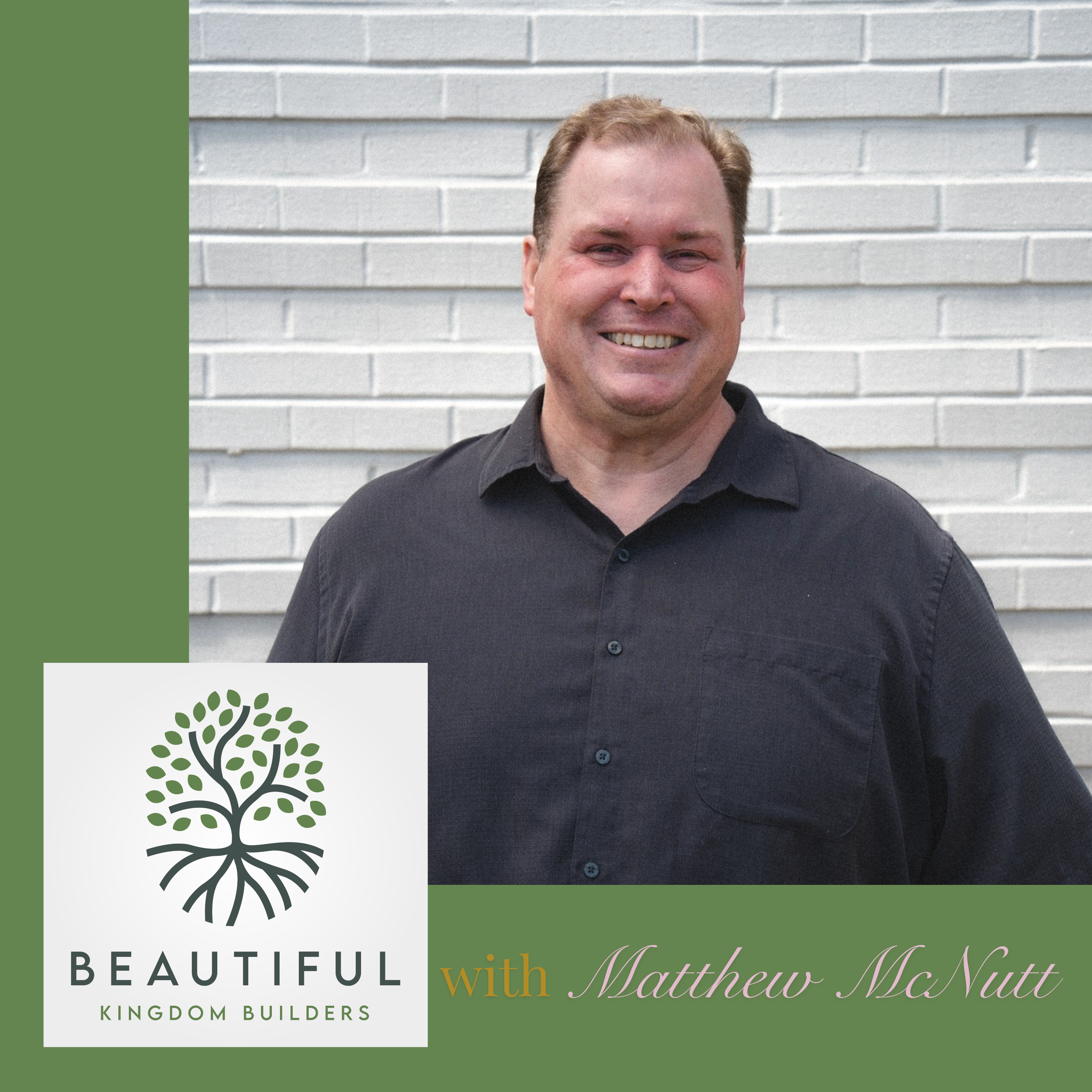
In this conversation, Ruth Perry and her brother Matthew McNutt discuss their experiences as missionary kids in Tambo, a boarding school in Bolivia, South America, focusing on the rampant abuse that occurred and the institutional failures to protect vulnerable children. They explore the long-lasting effects of these experiences, the importance of believing victims, and the need for accountability within church and parachurch organizations. The conversation highlights the challenges faced by survivors and the necessity for change in how abuse is addressed in religious contexts.
Visit matthewmcnutt.com to find more detailed information about Matthew’s experiences at Tambo in Bolivia, and his work on a recommendations panel during IHART’s investigation into abuses in New Tribes Missions (now Ethnos360). And visit GRACE (Godly Response to Abuse in Christian Environments) at netgrace.org if you need resources regarding abuse prevention and response.
Enjoy these nostalgic pics from our time in Bolivia:
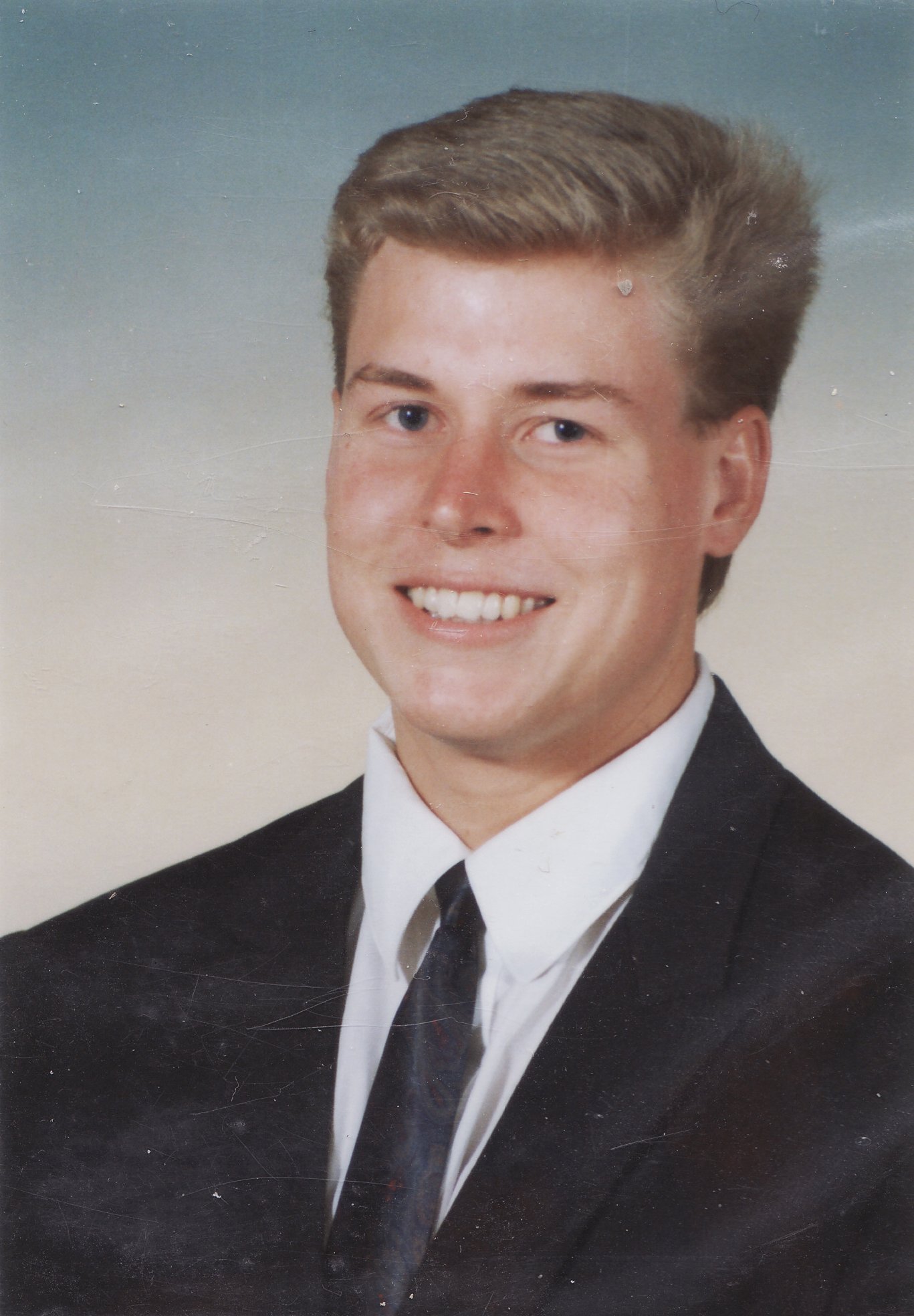
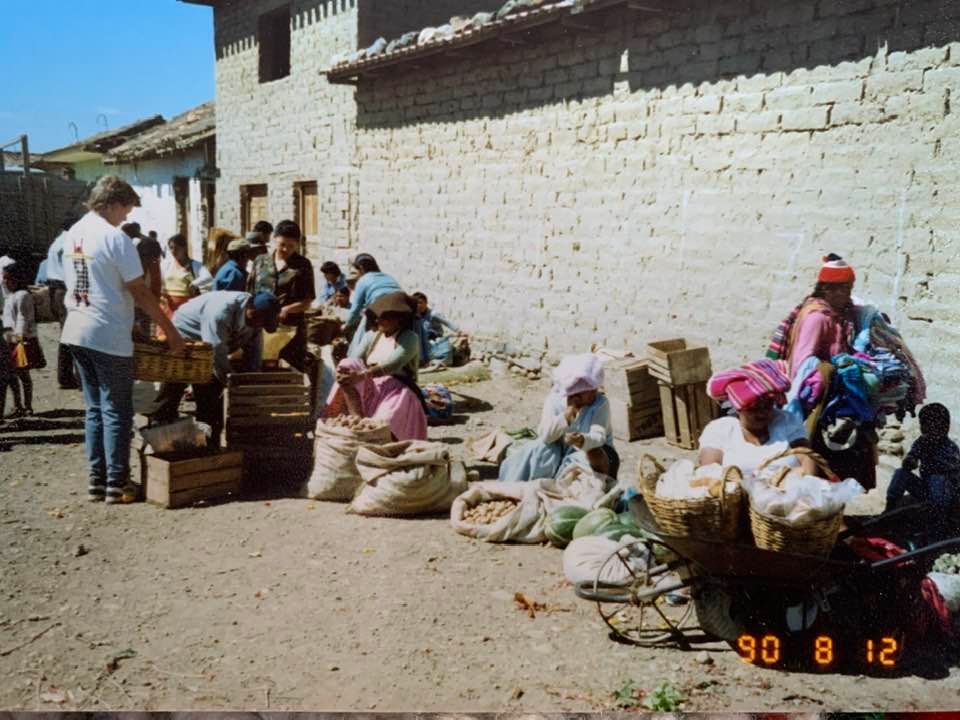
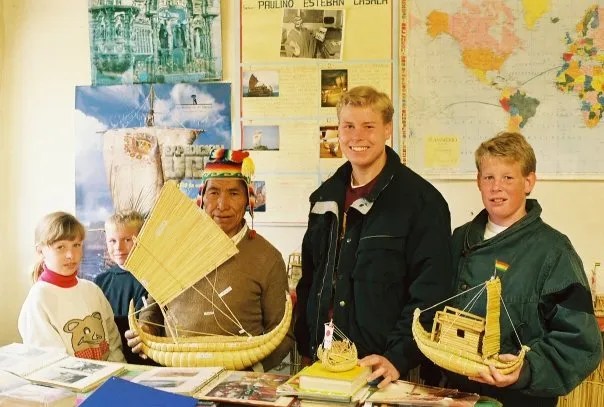
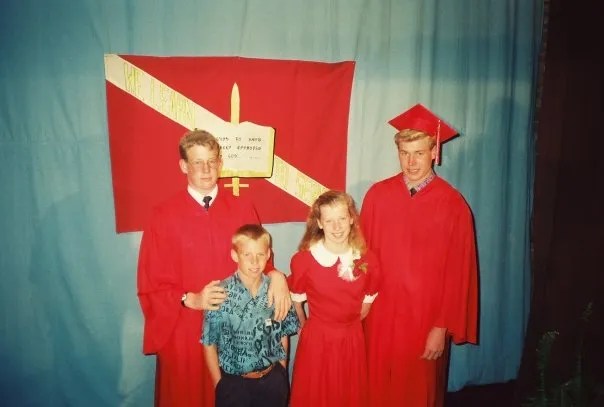

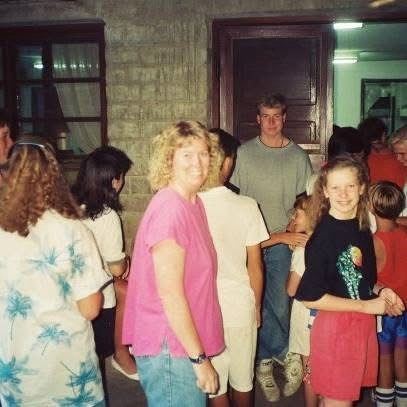
You can watch our episode on YouTube or find it on Spotify, Apple Podcasts, Amazon Music, and more! Please help us spread the word by subscribing, rating, and sharing with a friend.
TRANSCRIPT:
Ruth Perry (00:15)
My guest today is my much older brother, Dr. Matthew McNutt. I’m very pleased to have you today, Matthew.
Matthew McNutt (00:23)
I was pleased to come on until the much older, the, see, ⁓ yeah, good, good cover. That’s, we’ll see.
Ruth Perry (00:26)
much older and wiser, I should say. Yes.
And do you prefer to go by Reverend Doctor or can I call you Matthew?
Matthew McNutt (00:35)
Call me Matthew.
Ruth Perry (00:36)
I invited you on today because one of the things that is on my heart for the church is to care for our most vulnerable members. And we had the opportunity as missionary kids, to see how that can go sideways and all the wrong ways if the safety of children and the vulnerable is not prioritized in an organization. And so our topic today is rather heavy. And I just want to mention that before we dive in, because a lot of people have experienced spiritual, physical, sexual abuse in their lifetime. And so this might be an episode that is challenging for you or that you might not even want to listen to.
Particularly, we’re talking about a missionary boarding school in South America, but I think this was across the world in this organization and other organizations as well, that this was a common problem in these missionary boarding schools, that there was rampant abuse.
So Let’s share our experience. We weren’t always missionary children, but in 1989, our family moved to Bolivia and I was going into fourth grade at the time, but you were going into high school, right?
Matthew McNutt (01:46)
I was going into 10th grade. It was actually the fall of 1990. I guess this being much older and wiser helps me remember it. It helps that I kept a detailed journal too.
Ruth Perry (02:00)
I was thinking I was nine. I was born in 1980, so I was thinking I was 89.
Matthew McNutt (02:04)
89 was my freshman year of high school, 89-90. So 90-91 was the school year that we moved to Bolivia with New Tribes Mission, now known as Ethnos360. But yeah, we moved to Bolivia. Our parents were associate mission staff with New Tribes Mission, which means they were short term. They were going down for a two year commitment. It ended up becoming three years working at the boarding school as third and fourth grade teachers as part of that staff for the first year and half. Then they were transferred to Paraguay for a little over a year before coming back to Bolivia in time for my high school graduation. And then we returned to the US where they jumped into training to go full time with the mission before eventually leaving a year or so later and accepting a call to the church in Maine.
Ruth Perry (02:57)
Yeah, so moving to South America was very exciting. My dad had been an associate pastor at a church in Washington state and had been leading short-term mission trips. And he had been to Bolivia and really was blown away by his experience there. So that’s how we ended up moving to be short-term missionaries there. And so I think our expectations were very high that this was going to be extraordinary.
And it was in many, many ways. It was an extraordinary experience. And I’m really excited that we have that as part of our childhood. I heard Gabor Mate recently talk about how different siblings do not have the same childhood. And one of the ways that that’s true between you and I is that while we were in South America, I always lived with my parents. But the school pressured mom and dad to put you and Danny into the dorms. And so you were living in the dorms at Tambo. The school was very remote. We would get there by bus. I think it took 12 hours from Cochabamba or what was it?
Matthew McNutt (03:55)
Yep, from Cochabamba, six hours from Santa Cruz. The mission, when they had built the school decades before, had intentionally landed it in the middle of nowhere because they did not want missionary kids to have access to movie theaters and the other temptations in the cities, which is wild. As a youth pastor now, I’ve been a youth pastor for 25 years, and it is wild to me that it was more important to have kids hours and hours away from the temptations than it was to have them close to hospitals and emergency care. Like students died at that school over the years, but it was more important to be remote and away from temptation than it was to have access to health services.
Ruth Perry (04:42)
They had a typhoid and a hepatitis outbreak while we were there. And then in the surrounding area, there was a cholera outbreak. And we’re talking about a very short time that we were there, three years.
Matthew McNutt (04:49)
Yeah. Yeah. We called it the HEPA-CHOLEROID OUTBREAK because that was crazy year. That was our first year in South America.
Ruth Perry (04:59)
Yeah. I got an intestinal infection. So while everybody else is getting hepatitis and typhoid, I’m dealing with something totally different, but they kept treating me for hepatitis or typhoid. And so I nearly died our first year there.
Matthew McNutt (05:12)
You mentioned Danny and I were put in the dorms. He was in middle school, I was in high school. If I was in 10th grade, he was in sixth grade. And there was enormous pressure from the established staff that kids should be in the dorms. Which is funny because the guy that put the most pressure on our parents, Al Lotz, did not have his kids in the dorms. They were in his home with him. But, whatever. There was enormous pressure. you were close to death. Dad had hepatitis at the same time. And so the two of you were rushed into the city. Both of you had really severe cases and there was enormous pressure on mom that she could not leave the school to be with you guys because the task was so much more important. And these boarding schools were a way to get the kids away from the parents because the mission task was the most important thing.
Trust God with the kids but what people didn’t really talk about is where they tended to get their best teachers was through the associate program short-term staff who were then unable to really make much change because if they made waves, they were asked to go home early. And if they played nice, they could stay longer. But most of the long-term staff at the school were there because they didn’t fit in well in other places in the mission field. When you talked about we showed up with rose-colored glasses, I was not happy about moving to South America. I was 15. I liked my life. I had a best friend.
I had stuff going on. I was not happy to go. In hindsight, I loved that I spent years of my life living abroad. It really changed my perspective on a of things, but that first year was a really rough transition. But one of the things that was a shock for our parents was finding out the number one reason that most of the missionaries would leave the field at least at that time, was because they didn’t get along with other missionaries. Everybody had the same call, but man, just like there’s a lot of conflict in churches in the US, there’s a lot of conflict on the mission field, and it’s a lot harder when there’s only three families out in a remote base. If you don’t get along, it just gets bad quick. And so…
It’s so hard to find missionaries to begin with. It’s even harder to find missionaries who are able to raise their support and get to the country that once you get missionaries down there, if they don’t fit into what they were called to, man, there’s a desperation. We gotta put them somewhere.
Right? Like we can’t waste these bodies. And so we had dorm parents and teachers with no formal training that did not go to the field for that. I remember one couple wildly racist. They hated Bolivians, but they were missionaries to Bolivia.
Where do you put a missionary couple? Like, well, put them with the missionary kids and make them dorm parents. We had other people that had all sorts of conflict in other places, couldn’t fit in anywhere. Well, then they can be dorm parents. They can be teachers. And it was just a weird mix of dysfunctional career missionaries that couldn’t fit in in other places. Very few of them were at the school because that’s what they went to Bolivia to be missionaries for. Which right away creates a really dangerous groundwork for who’s gonna be working with kids.
On top of that, there’s been a handful of psychologists and counselors out there that specialize in boarding school counseling. A lot of it actually comes out of England because there’s a real boarding school culture there, not Christian but just boarding school in general. And one of the interesting things to me is I was in recent years processing some of what we experienced and what could have happened differently is those counselors would say, it is virtually impossible to have a boarding school without physical and sexual abuse. The schools just in general, secular, Christian, whatever, are going to attract predators because they’re gonna have access to kids with a lot less supervision.
Even if you have every perfect adult, there is going to be student on student abuse, sexual and physical and verbal, because it is impossible to provide the kind of supervision that a child would have at home with their family. Even where we know families don’t have as much communication and supervision as they probably should have. If you stick 15 or 20 high school guys in a home together with one set of parents, even if they are the best dorm parents in the world, there’s no way for them to adequately supervise and protect 15 to 20 high school boys even from each other. And so yeah, our boarding school had tons of abuse.
When we first went down, just in the three years that we were there, there were several missionaries kicked out of the school and off the field for sexual abuse of kids and students. And I remember for years thinking to myself, that must have just been a really weird three years in Tambo’s history. Like just bizarre, like how could that possibly be whatever?
And around 15 years ago, 16 years ago, one of my friends from Tambo who had rejoined the mission was stunned to find out that his abuser, who was not kicked out while we were there. She was still there when we were there as students. I think you had her as a teacher, Susan Major. Yeah, I’ll say names. I mean, even as students, she was no longer allowed to spank kids because she had so viciously beat and left scars on kids for the most minor offenses. So it was known, she was a known abuser. He was stunned to find out that she was still in the mission, that she had just been moved to a boarding school in Mexico.
And so he was like, she should not be in the mission. She needs to be gone. Like this is outrageous that she’s been in the mission at that point for decades and decades abusing kids. And they were like, well, you know, the Bible says you can’t have just one person bring an accusation against the leader. There needs to be two or three witnesses. And, you know, he was kind of stunned because it was already a known thing by the time we had shown up in South America. He was my age at that point, but as a fifth and sixth grade student, he had had her and in the years since she wasn’t allowed to beat kids anymore because it was such a known thing.
And so he started a Facebook group and just grabbed every former missionary kid from our boarding school that he could think of and was just like, hey, I need one or two more people that were abused by her to be willing to come forward or she’s gonna keep abusing kids in this mission. And so some people did come forward. They did finally remove her and fire her from the organization.
But what happened in this Facebook group is it exploded with other MKs going, well, I wasn’t abused by her, but I was abused by so-and-so, or I was abused by so-and-so, or I went to the school 30 years before, and so I have no idea who she is, but I was abused by this other person. And so it just became this chorus of voices.
I’m kind of convinced that social media really forced the mission to attempt to acknowledge abuse that they had been covering up for decades and hiding for decades because victims were finally going, if you’re not gonna talk about it, we’re gonna talk about it. We’re gonna put it out there. We’re gonna reach out to news organizations. If you’re gonna refuse to do anything about this, then we’re gonna sue until you acknowledge what happened and name these abusers. And so out of that came some responses by New Tribes Mission.
When he started this Facebook group of Bolivian missionary kids, this was after New Tribes had already contracted with GRACE, organization at the time. He was part of, think he’s retired from it since then. But they had contracted with them to investigate one of their other schools already. So it wasn’t a completely new idea that there could be an investigation that something could happen. But again, that was an investigation that happened because abused missionary kids who had become adults. Studies show most people, isn’t until their 30s or 40s that they really become willing to talk about their childhood abuse and start naming names.
A lot of it has to do with about the time you have kids, the age of when you were abused is when you start to go, wait a minute. I know for me, looking at my oldest son when he turned 15, about a decade ago, was a moment for me that I was like, yeah, no, this is outrageous. The way I was being treated, the abuse that was happening, the things that happened to me that were said to me. And I’m just like, I would never be okay with a fraction of that happening to one of my sons. Like they are children. So it’s just kind of your own memory kind of why it wasn’t as bad to me or it wasn’t.
But yeah, it was the same kind of thing. Missionary kids from this other country one of them had started a website where people could leave comments and leave stories and they had put pressure until New Tribes finally hired Grace to put together a response.
Ruth Perry (14:45)
Well, I’m thinking back about just how widespread corporal punishment, like as one type of abuse, the physical abuse there was widespread because I even had the first year we were there, I had my parents as my teachers in the third and fourth grade classroom. So overall, besides almost dying from an intestinal infection, the first year was pretty positive. And one big striking difference to the positivity of it, though, is that next door to us, was a first and second grade classroom. And in between our classrooms, there was a little closet with access from both classrooms. And so the first and second grade teacher would bring in the little kids and beat them So we could all hear the little six and seven year olds who are separated and so isolated from their parents being regularly beaten by their teacher.
And then I had Sue Majors in fifth grade. Danny had her his first year when he was in sixth grade and she was a very unstable person having meltdowns in the classroom where she would just start screaming at everybody and then we all had to comfort her and tell her that it was fine. Once they stopped letting her personally beat the children, she would just send them off to Al Lotz who would do it happily for her.
Matthew McNutt (15:52)
Yeah, he was the director of the school and what was supposed to be the solution to her beating kids, was send them to him and then he would evaluate whether or not a spanking was actually justified. Like for reference, one of times Danny and some of his classmates were sent to get a beating because they were taking a test and they were supposed to keep their pencil on the paper the entire time. And he and a couple of the other kids had accidentally lifted the lead off the paper to go to the next question and so they got sent for being defiant and disobedient and to Al. Now any reasonable person would have heard that and been like yeah no this is this is not justify a beating.
The problem was Al Lotz he was my dorm parent my first year student. When I was put in his dorm, just a bully, you know, when they finally did the investigation, he was the person I named for physically abusing me and spiritually and emotionally abusing me and New Tribes said, yeah, no, he did. They sent me a letter saying, you know, agreeing and when I named him on my blog, a bunch of other students reached out to me and said, yeah, he was their abuser too. But he bragged to us. I remember being shocked as a 15 year old sitting down in our first dorm meeting. It was me and 17, 18 other high school guys. So like we’re ninth through 12th grade. I think the last time I had had a spanking, cause we had parents that spanked us. I think by the time I was 10, that was over. I got other disciplinary measures, but I remember sitting there going, I’m 15, this is over at this point.
And he told us all, I believe in spanking. I don’t think any of you are too old. and I do not believe in four or five sissy swats. He pulled out, he had a wooden paddle. It was a big wooden board. And he said, I believe in a minimum of 15 to 20 full force, everything I’ve got, swats. Which our dad, when he found out about that reported that to the executive committee in Bolivia and and they acted shocked and horrified that that was an excessive amount He didn’t believe in spanking on the butt because he was like there’s too much padding it’s got to be on the back of your legs where it’s gonna actually hurt and so guys would compare Who was more black and blue from the back of their knees to their butt. Just from these minimum of 15 to 20 swats, full force, and that was gonna be the punishment for pulling a pencil off of a piece of paper in class. It was just wildly disproportionate.
Our dad reported that and the executive committee acted horrified. They told Al, hey, the maximum you can do is five swats. Five swats is reasonable, whatever. But they didn’t notify parents. They didn’t tell any kids. Nobody was told, hey, here’s the new rule. So that happened my 10th grade year. My junior year, he beat two of the high school guys. That same excessive number of swats, he was still swatting middle school kids, that number of swats, because nobody had been told otherwise. And there was no enforcement. And at that point, our parents had been transferred to Paraguay because they had already been labeled as troublemakers for going and reporting this abuse.
Ruth Perry (19:16)
They were also replacing a missionary who had been molesting the Native children.
Matthew McNutt (19:20)
Yeah, who was molesting native kids in Paraguay. The other thing my dad had done that had labeled him a troublemaker is that first year, Rich Hine the director of the school, who would just beat kids and came out over the Christmas break that he had molested a kid. Originally, Al Lotz’s decision was he can stay, he just can’t be the director anymore, he can’t be a dorm parent anymore. You know, he’s found out molesting a little boy and the answer was, well, let’s move him into a house at the edge of the property by himself and let him stay on as a teacher and a staff member, but he can’t be the director anymore.
And they didn’t notify any of the other staff what it was he had done. They didn’t notify parents. They didn’t notify kids. It eventually got out because the executive committee in Bolivia did find out what he had done. And while they agreed with not notifying parents or kids to see if there were other victims, they did talk to all of their own kids that went to the school to make sure none of them had been abused. Those kids came back, told their friends, who told their parents, some of whom were staff. So it eventually got out.
When it got back to the US, the headquarters, they gave him 24 hours to get off the property and one week to be out of the country. He was sent back to England, because he was a missionary from England. But once he was there, they didn’t notify his church, they didn’t notify anybody there, they didn’t notify authorities, They just fired him from the mission and turned him loose. And I know that because I went to the New Tribes Bible School in England and I inadvertently started attending his home church three years after he was kicked off the field. And the pastor who had been the pastor at the church for 12 years at that point. So he was Rich Hine’s sending church and sending pastor was like, wait a minute, you came from Bolivia? And I was like, yeah.
And he’s like, do you know Rich Hine? And I’m like. Yeah, He was like, you wanna see him? I can, you know, get you guys connected. And I was like, no, no, I I don’t really know. and then the pastor goes, you know, it’s really strange. said he came back about two, three years ago from Bolivia and it’s like nobody at the mission wants anything to do with them.
Because the mission the British headquarters were there in that town and he was like they just he’s just kind of here in the community He doesn’t hardly come to church anymore He’s like I’ve never really known why and I remembered thinking
It’s like, is not my job. Like, this is not, I should not have to be the one to, and I regret now, I didn’t tell the pastor what he had done. In hindsight, I wish 19 year old me had had the courage to tell this pastor exactly what had happened. But I didn’t and at that point, you know, we had been in South America for three years. Our parents had been in the training for a year.
Now I was in the Bible school, so at this point I had been connected to the mission for about five years, and it was really ingrained. We were not allowed to talk about Rich Hine. They literally told us that when they told the kids, hey, he had a sin issue, they weren’t gonna tell us what, but he confessed it, we forgave him, it’s all good, and you are not allowed to talk about it ever again, literally. And so, yeah, five years later, I was like, I’m not allowed to talk about this.
Ruth Perry (22:41)
He also had on his way out that day, he came into the lunch room where the entire school was eating lunch and took the microphone and cried and made himself out to be a victim. so.
Matthew McNutt (22:53)
Al Lotz, yeah, Al Lotz gave him the mic and told him he could say goodbye and he was sobbing and he was like, I don’t understand why this is happening. I was told it was okay. And so, I mean, there is a certain reality. They did a disservice to him by minimizing what he had done by telling him it was okay. So it was a shock to his system. I have no sympathy for him whatsoever, right? I have no, you know, he was an abuser that was judged by other abusers. So of course what he had done did not seem like a big deal to them. yeah, he went on, all these kids in the room are crying, like, oh, the executive committee in Florida is so mean, why would they do this? He couldn’t have ever done anything to deserve this.
And meanwhile, the victim, that had had the courage to tell their parents what had happened, right? The vast majority of victims don’t speak up ever. A very small percentage do. So this victim has the courage to speak up, to say what had happened, to tell their parents. The parents actually say something, the guy gets kicked out and so now this victim is sitting in this room while all of their peers are crying and going like, this is awful. Why are they doing this to him? How could this happen? Poor Mr. Hine. You know, I remember 15 years ago when I met with the investigators telling that story, that’s the part of the report that I broke down talking about because it was just so abhorrent to me to think that there was a middle school child in that room watching everyone feel sorry for Rich Hine because this kid had done the right thing and told and got help. Right? And then people wonder why victims don’t want to come forward because they don’t get protected. They don’t get looked out for.
And New Tribe’s entire response has been to cover up and hide what is done, to drag their feet at naming anyone, to not want to tell people what happened or why.
Ruth Perry (25:10)
What would have been the appropriate response from the executive committee in Florida to the news that they had a pedophile working at a school with a bunch of vulnerable children? Like, tell me step by step what you think they ought to have done and where they failed.
Matthew McNutt (25:27)
Well, they failed on every level. They still continue to fail. In the example of Rich Hine, the moment they knew what he had done, especially since he admitted to it, right? When he was confronted, he admitted that he had done that. The reality is they should have assumed that the odds of his one and only victim coming forward are ridiculously small. There’s no way he didn’t have other.
Especially as a as dorm, like he just had access and he had authority I don’t know this for a fact, but when I named him on my blog, others have reached out to me and told me that he was transferred to Bolivia from Paraguay because he had abused kids in Paraguay and there had been issues there. And this was kind of his second chance.
If that wasn’t part of the story, if all they knew was this one kid, the moment they’ve known that, he should have been immediately fired. I think he should have been reported to Bolivian authorities because he molested a kid in Bolivia. They should have reported him to US authorities, because this was an American citizen. They should have reported him to British authorities because he was a British citizen. His supporting churches should have been notified, hey, he is being removed and this is why.
Now, I was told when I told the mission years ago, you need to notify, well, that opens you up to lawsuits and liability and all that and I was like, well, first off, if somebody is gonna sue because you say this, well then you simply get to pull out, I was like, what lunatic is gonna sue over this because then you get to bring out the evidence to prove why you’ve made this accusation, right? You get to defend yourself and then it becomes public record. But furthermore, sometimes you just need to do the right thing and maybe that comes with risk, but it would be better if they got sued by a couple abusers than all of the victims that have been suing them to try and get them to name names.
The first thing they should have done is notified every single parent that had a kid at the school the entire time Rich Hines was at that school. So that they could have conversations with their kids to be like, hey, did this ever happen to you? Do you know that this happened to anyone? They should have notified the entire student body, right?
Instead of telling us, he did something, he apologized, everyone forgave him. It’s okay, Nobody’s allowed to talk about this ever again, right? Well, now they’ve closed the door on conversations. Talking about Rich Hine is now something that can get you in trouble. They should have had a conversation, age appropriate, right? Because it was a kindergarten through 12th grade school, but they should have had conversations on every level of, hey, this is horrific this happened. And I know some of you are gonna find this very hard to believe because the reality, abusers are so good at creating a great reputation so that when accusations come out, other people find it impossible to believe.
But they should have had conversations across the board and just been like, man, if any of you know of something, have heard something, have experienced something, had something inappropriate or uncomfortable or that you’re not even sure about. Please come tell us, right? To find out the fullness of the story. I mean, this is why, you know, a few years ago, Ethnos360 finally decided to release the names of sexual offenders who were still alive because they said you know, hey, they could still be out there sexually assaulting kids. what was explained to me is we don’t need to do the physical abuse ones because most of those were beatings and they probably can’t beat kids anymore anyways because of laws and whatever. So that isn’t probably happening anymore. Like in their rationale, they only needed to name names of things they thought might still be happening to protect against that happening again. And then they release the names on a buried site, part of their website that you can’t find, it’s in a PDF, you can’t Google.
But again, that’s lacking the concern for other victims out there, right? Because the most empowering thing to a victim is to know that, if there are other victims of Rich Hine out there, having him named, gives them the courage to go, I’m not crazy. I’m not misreading the situation. I didn’t cause this to happen in some way. It wasn’t me leading him into temptation, that it wasn’t on them, it was on him and having other stories released gives validity to them and gives them the courage and strength to come forward and say, hey, actually, this happened to me. They feel like, I might get believed more, but instead, by refusing to name dead perpetrator, honestly, it helps keep the list really small of who did what.
When you give such a tightly controlled, we will only name people that are alive and that sexually assaulted kids. It keeps the list small. And I think New Tribes they don’t want to admit that in their mission organization of thousands of people, there are dozens, if not hundreds of abusers that they know about. And, you know, one of the things that was pushed back on is, well, you have to keep in mind the culture at the time. The culture at the time would have reacted differently.
No, because the culture at the time, was horrified to find out Al Lotz was beating kids more than five swats. People were already being arrested for this kind of stuff. They were already reporting things in practice in the US. So it was very much culturally understood. This is unacceptable. There is a response protocol that should be happening.
Ruth Perry (31:04)
They’ve shown through working with victims that not being believed or having their experience minimized is re-traumatizing, almost to the same or sometimes more traumatic for victims than the initial abuse because it’s so hard to just say this happened to me. And then that’s a critical time where you need to number one, I think the church needs to be educated about abuse. We need to grow our empathy, not be afraid of empathy as many seem to be nowadays, where we can weep with those who weep and hold the pain and sit with the pain of others and witness it.
And so what is your advice to people, how should we respond if someone discloses abuse to us?
Matthew McNutt (31:50)
I think we should believe victims, right? Because the response is always, hey, what if they’re lying? What if they’re making it up? When they’ve done the studies, it’s something like over 90 % of the stories that come out are true, right? So if you err on the side of believing victims, statistically speaking, you’re probably, you’re believing the right thing.
You’re taking the right side. There is absolutely a lot of truth to coming out with the abuse and not being believed or the response being poor is very traumatizing. I was 15 when we moved to South America.
Al Lotz physically abused me. I didn’t even get one of the beatings. I think he was too afraid of Dad to ever actually beat me because I think he knew Dad was one of the few guys that would have come beat him up.
There were things I saw, there were things I heard, there were things I saw happen to my friends. Early on in my 20s, I started talking to counselors. I’ve done that off and on over the years. by the time in my 30s, when this conversation really started happening, I was a lot more comfortable talking than a lot of missionary kids were.
And so when New Tribes announced, at the time New Tribes, now Ethnos360, they said they were severing their relationship with GRACE because they didn’t like that Boz when they commissioned them to do this report, he released the report publicly, naming names of abusers. At the same time, he gave the report back to New Tribes, and New Tribes was absolutely caught off guard by that. They were furious that they could not control or filter or have a say in what the report would say.
And so they severed ties with GRACE, and what they announced was that they had contracted with IHART, I-H-A-R-T, an outside investigative service that was led by Pat Hendricks. And they wanted people to come forward with their abuse stories from all of the different boarding schools to reach out to Pat. And so I did. And I was a loud advocate to other missionary kids that, know, hey, we gotta talk to these people. Like, this is the opportunity.
New Tribes is finally listening. They’re going to do the right thing here. They’re going to investigate. And I legitimately thought there is a lot to win for New Tribes in addressing this because it was stuff from decades before. By the time they were launching this investigation, they largely didn’t have boarding schools anymore.
Most missionaries were homeschooling. The stuff that had happened in the past, there were enough people that quietly knew about it that they just weren’t, you know, they had better protection things in place. The people in leadership of the mission were not the ones that had covered up and hidden things decades before. And so I legitimately went into it going like, they’re gonna do the right thing. They can own this. It’s gonna be an awful chapter of their history, but they can name these abusers and make things right. And I advocated hard for people to talk. I was the first missionary kid from Tambo that the investigative team interviewed.
They sent four interviewers. Usually they did it in pairs. They would send two investigators of the same gender of the victim to talk to them. They sent four to me. They asked if that was okay because they were like, you seem like you’re comfortable talking about stuff. Would you be willing to talk to more of us just so we can learn more about the school in general before we talk to people that are gonna have a hard time? I was like, yes, let’s do it. And so they flew in, they met with me in my office here.
They said, you know, where are you gonna feel the most comfortable? was like, my office feels comfortable. And so we had a conversation for just hours and hours. And it was really good. And Pat had hired a lot of retired abuse investigators, law enforcement investigators, and put together this team. And so then over the next couple years, they were interviewing more and more missionary kids. I was telling people, you got to do this. It felt so empowering to me to finally be heard and listened to. I was like, this is such a good thing.
And then I was recruited to be on the first recommendations panel that Pat Hendricks formed for the first report that IHART was going to issue. And I was part of a team of six or seven, eight people that we were all recruited because of different backgrounds. There were a couple counselors, there were some missionary kids, there were missionaries, former missionaries. They wanted pastoral presence. And so part of what they liked about having me on this panel was that I checked off multiple boxes. I’m a youth pastor, so I’m a professional youth worker. I was a missionary kid. I’m a pastor. And so I served on this panel. We met up in St. Louis. And I had gotten hundreds of pages of witness statements and reports ahead of time to read through just sickening stuff that had happened in this mission field. And to children and just horrifying things.
And so we met and we talked about it. And we looked at these reports and came back with recommendations that really caught New Tribes Mission off guard. Because we found a lot of leadership in the country, culpable. We also found a lot of leadership in the Florida headquarters culpable which is one of the things that had shocked them when Boz had done his report that he found leadership in Florida headquarters culpable for abuse that happened because they had covered it up. There’s just document trails showing they knew stuff and they were aware of it and didn’t respond and We made a series of recommendations and I came away from it,
It was painful. It was hard. It was emotionally draining. It was horrifying. Part of why I’d been on that panel is I had no connection to that boarding school or that country. So it wasn’t people I knew, but it was certainly similar to stories I had seen in Bolivia. And at one point I even asked Pat Hendricks because that report I felt like it was a small number of abusers named. And I said to Pat Hendricks, and to the investigators, did not many people come forward from this country?
Or was it just, I was like, as horrifying as this to say, did they just not have that many abusers there? And she goes, well, what do you mean? And I was like, well, I could name off this many abusers from just my three years at Tambo. And that school had existed for decades and decades. Tambo was the first boarding school that New Tribes had started. And she said, no, Tambo is just way worse.
And said, what do you mean? And she Tambo had the most out of all the boarding schools. So much so that at that point she wasn’t sure how she was going to handle doing a report. Did she break it up into multiple recommendations panels and multiple reports to try and deal with all of it adequately because it would be too overwhelming to have one team.
And as shocking as that was, was a part of me that was like, that makes sense because there were so many just in our three-year window there. And so I came away from that hopeful New Tribes had heard all these things and then the report was issued and it was so sanitized what it was that New Tribes released. They released a document that was supposedly the recommendations that our panel had come up with. They wrote up a completely different set of recommendations. They were completely inadequate. Victims were rightfully outraged at this anonymous recommendations panel because they were like, how could they hear the stories and come up with the, well, they weren’t our recommendations. They released a set that was supposedly from us. They were not. I still have our recommendations, right?
And then, I was invited by Pat Hendricks to be a part of a second recommendations panel for a second country. And as we were getting ready to do that, New Tribes lawyer, Teresa Sidbotham got more and more involved. She started being on these calls and telling us what we could and couldn’t do and what we could and couldn’t read. And it was really confusing to me. And I was like, I don’t understand why is there a lawyer on this call? Is this lawyer acting on the behalf of the victims? Is this lawyer acting on behalf of the mission? Because it feels like they’re acting on behalf of the mission. And around that time, New Tribes fired Pat Hendricks from IHART. And I remember going like, how in the world is this mission able to fire the president or the leader of an outside investigative service?
Well, that’s when we found out that IHART was not an outside organization. It was a process started and owned by New Tribes Mission. And they fired Pat. They got rid of her investigators. They hired other teams. They put Teresa in charge of it. She sprinted through the reports, released, again, this second panel that I was a part of what was released did not reflect what we had read or said. And what was released about Bolivia was a joke.
And once they released it all, they rushed it all out. And then they changed the name of the mission organization. Right? So all of the reports were issued in the name of New Tribes Mission, about New Tribes Mission. And then the mission became Ethnos360. And they said it was because they were renaming to reflect to how they had changed over the decades and the mission and reaching the world and changing language. But it really felt like the timing was, oh, you sprinted out all these reports, said you were done, and then changed the mission’s name.
As to your question, I felt tremendously victimized by the betrayal I felt from the leadership, misrepresenting our words as a panel, you know, that I had trusted them when they said they had hired this outside organization only to find out, no, it was their organization and they could fire and screen and filter and change the words however they wanted. That was far more infuriating to me, far more damaging, far more hurtful than what happened, you know, when I was a teenager.
And I think what it is, is there is a part of me that understands, man, Al Lotz is a physical abuser. He enjoys beating kids and he beat a lot of kids. And he wrestled and he said inappropriate things and he did inappropriate things with kids. And there is a part of me that gets like as horrible as that is.
It makes sense that he helped cover up for Rich Hine because they were friends and they were both abusers. And if you’re an abuser, you don’t think another person’s abuse is that bad, right? What is far more horrifying to me in some ways, because again, some of what other people suffered is far more traumatic than what I suffered.
I felt like I betrayed other missionary kids by advocating for them to go through this process. I felt like I set other people up to get hurt by telling them that they could go and share these stories and New Tribes was going to actually do the right thing. It’s crazy to me that, 15 years later. They are still burying names.
dozens, hundreds of names of sexual and physical and spiritual abusers that are still just out there, able to get jobs at schools, to live, you know, Bob Fisher was a sexual predator of kids that they did not name until a couple years ago. It was shortly before his death. They wouldn’t name him now because he’s dead.
He was living across the street from a middle school at one point, if he had ever been named, if he had ever been appropriately investigated at the time, there would have been things put in place to protect him from having this kind of access to kids going forward, but they didn’t. And so for me,
You know, where 15 years ago, I had all this hope and felt like, the leadership of Ethnos360 has an opportunity here to do the right thing, to cause healing, to look out for the least of these countless children that were beaten, that were molested, that were raped, that were they were told they were liars, were told they were going to hell, that they were going to send other people to hell if they said anything. For years I was the one that felt shame and embarrassment and I felt like I couldn’t say anything. Al Lotz should be the one that feels ashamed and embarrassed and afraid.
But because they never said anything, he’s the vice president of another mission that specifically does children and youth ministry. That’s outrageous. They had an opportunity to speak up for all these children that were entrusted in their care, they didn’t. And so that’s why there’s a part of me now that goes, the leadership of Ethnos360 is culpable for the silence, for enabling. I am not one of those victims that feels like burn it all down. It all needs to go away. I think the majority of missionaries with Ethnos360 are probably great people. Great hearts, I’m friends with some of them. I know they care deeply about the Great Commission and about reaching the lost. But man, the leadership? Disqualified, for covering up for being unwilling to name the abuse to take responsibility for it out of fear of getting sued. They got sued anyways. But a lot of those victims that sued would not have sued if that wasn’t what it took to get their abusers named.
To go back to your question, Christians need to believe victims. And this is real. The Bible does call us to forgive. There needs to be a path for forgiveness, restoration, but the Bible also tells us to not be like a dog returning to its vomit and to be as wise as serpents, innocent as doves. Like we need to forgive, but we also need to take steps and do the right thing. And what seems to be happening in the culture at large is that the church, that Christianity, that these missions organizations are the least likely to name and expose abusers, that they’re far more interested in protecting the organization than they are in protecting and advocating for victims.
And what they actually end up doing in that case is advocating for and protecting abusers. Not naming Rich Hine is advocating for Rich Hine. Right? It’s not advocating for his victims. It’s advocating for his reputation and advocating for the people that will feel uncomfortable knowing that the person they supported or liked did this. It’s wanting to protect the reputation that missionaries are up on a pedestal. A lot of missionaries are really great, kind people with incredible hearts for God.
Ruth Perry (46:13)
Yeah.
Matthew McNutt (46:35)
But just like every organization out there, just like every church out there that has dysfunctional people as well or leaders in sin, there are missionaries in sin that need to be named, that need to be brought to light. Because, hey, like you cannot have an organization with thousands of missionaries and 100 % of them are gonna be sinless, perfect. Like, no, we’re all fallen people.
And it says a lot more about us, how we respond. Years ago, a friend of ours, a mutual friend of ours actually, was gonna be checking out our church and it was right after one of our pastors, something had come to light.
And it was a really ugly situation and we were going to be addressing it to the church. And I said to my Hey, I got to be honest. This is going to be a really uncomfortable Sunday. I don’t know if this is the one that you want to come check out our church with. Right. And his response was so true because he said, actually, I think I can learn a lot more about your church in seeing how it handles this. And I mean, that was coming from a guy who had worked in ministry where some bad stuff had gone down.
I think some people rationalize defending abusers as, we need to minister to them, and yes, there are steps there, but there’s also things that need to happen if you’re choosing the perpetrator over the victim, which tends to be more comfortable for everyone, right? Because then we get to all pat ourselves on the back of, look, like he did this horrible thing and we are helping him become a good person again. Like we are loving him so well and we’re embracing him and we’re showing the love of Christ. And meanwhile, we’ve chased the victim off and we’ve communicated to any other victims out there, hey, this is not a safe place.
That was a long winded way of saying, yeah, I felt more betrayed by New Tribes and Ethnos360 in the response than I did in what happened 35 years ago.
And, I think that continues to be a black stain on that ministry and a black stain on their leadership that needs to be acknowledged fully and, and finished. And that’s why there are still victims hurt and upset and posting things online and trying to bring awareness. I should not have felt like I needed to be the one to write a blog post about Al Lotz.
New Tribes should have taken care of that. I should not have been the one that felt like I needed to write a post about Rich Hine. That story should have already been told.
Ruth Perry (48:59)
And I think that what we’ve talked about today is just one case study of many, many organizations. And it’s kind of drilled into us as Christians that we need to make our church seem, we don’t want to make it look bad to people. So we need to just always put the most beautiful picture forward about who we are. And then also attending church, we get that same message of like, you need to put the most beautiful picture of who you are attending church. And so I think the people who get burned and hurt, they don’t feel safe, because they know that everybody’s wearing a mask. And that’s not a safe environment. The truth is what feels safe to people who’ve experienced this kind of abuse.
Matthew McNutt (49:41)
Yeah,
Ruth Perry (49:42)
We’ve covered a lot, Matthew. I’m sorry for what you experienced at Tambo and what you experienced again through the process of trying to bring accountability. None of that was your responsibility. I mean, it just is heartbreaking what’s happened to you and to others. And I just pray that if anyone is listening who has experienced abuse in a Christian environment, I pray for your healing and for your comfort and your peace. And I pray for accountability and justice for you. The GRACE organization, it stands for Godly Response to Abuse in Christian Environments. That’s a great resource to reach out to if you need accountability.
Matthew McNutt (50:18)
Their model, yeah, and their model for handling these kinds of things is probably one of the strongest out there. The Bible talks about how we can use our suffering to be an encouragement to others. And so part of why I have wanted to advocate over the years is I feel like I have had a unique combination of experience and understanding as paired with my vocation as a youth pastor, the training that comes with that, my masters in pastoral counseling. It’s given me some access points to process and talk and be a voice that I want to be for redemption in this area and for transparency and on behalf of victims. But man, we’re not anywhere near where we need to be yet.
And you my specific context or our specific experience in connection to history with New Tribes, now Ethnos360, just paints a picture, I’m still deeply disappointed. Their response is not yet where it needs to be. And I’ve blogged about that. You my blog is MatthewMcNutt.com All you have to do is search New Tribes or Ethnos360 on there and you will find my posts where I’ve documented some of that stuff a lot more thoroughly than what I can say in a podcast format.
Ruth Perry (51:37)
Yeah, check that out, matthewmcnutt.com And thanks for being on The Beautiful Kingdom Builders podcast with me, Matthew. Do you want to add the last word here before we sign off?
Matthew McNutt (51:44)
Yeah! I mean, that would be a first. Sorry, I went so long without any sibling rivalry. No, I’m excited you’re doing this. I’m excited to be a part of it. I’ve enjoyed watching, I think over the years, this has become an unexpected platform for you. I think it’s been interesting. There were a lot of years where we were separately
processing and navigating a lot of different theological things and coming out of some really conservative and fundamentalist backgrounds that in recent years we were kind of surprised to find that we’ve both ended up on a lot of similar pages theologically but separately.
Like just kind of navigating there through our different experiences and stories. And it is funny that you can grow up in the same house, but have very different experiences there too. And very different experiences in the church and on the mission field and in school and all of that. And so, yeah, I’m excited. I’ve been loving listening to the other episodes that have come out so far and can’t wait to hear who else you’re going to be talking to in the future.
Ruth Perry (52:59)
Thanks for your support, Matthew, I love you.
Matthew McNutt (53:02)
Love you too. Bye.
Ruth Perry (53:03)
All right, bye.
Thanks for visiting The Beautiful Kingdom Builders! We’re excited about our new podcast and hope to bring light to the darkness through these conversations about gender, abuse, justice and healing in the Christian Faith. Follow along here (you can subscribe by email on the right-hand menu under our page description) or on your favorite podcast platform and social media: YouTube, Spotify, Apple Podcasts, Amazon Music, Facebook, Instagram, Threads, Bluesky, Pinterest, and TikTok!




 The Beautiful Kingdom Builders