Tag Archives: abuse

015 I Tracy Downing Shares Her Story of Narcissistic Abuse by Her Progressive Christian Ex-Husband

In this episode, my friend Tracy Downing shares her profoundly painful journey through narcissistic abuse in her marriage to and divorce from Progressive Christian writer and speaker, Benjamin L. Corey. Post-separation litigation and parental alienation have been especially devastating for Tracy. I believe sharing stories like Tracy’s is very important, because abuse is rampant in patriarchal churches and families, and awareness of what abuse looks like is low.

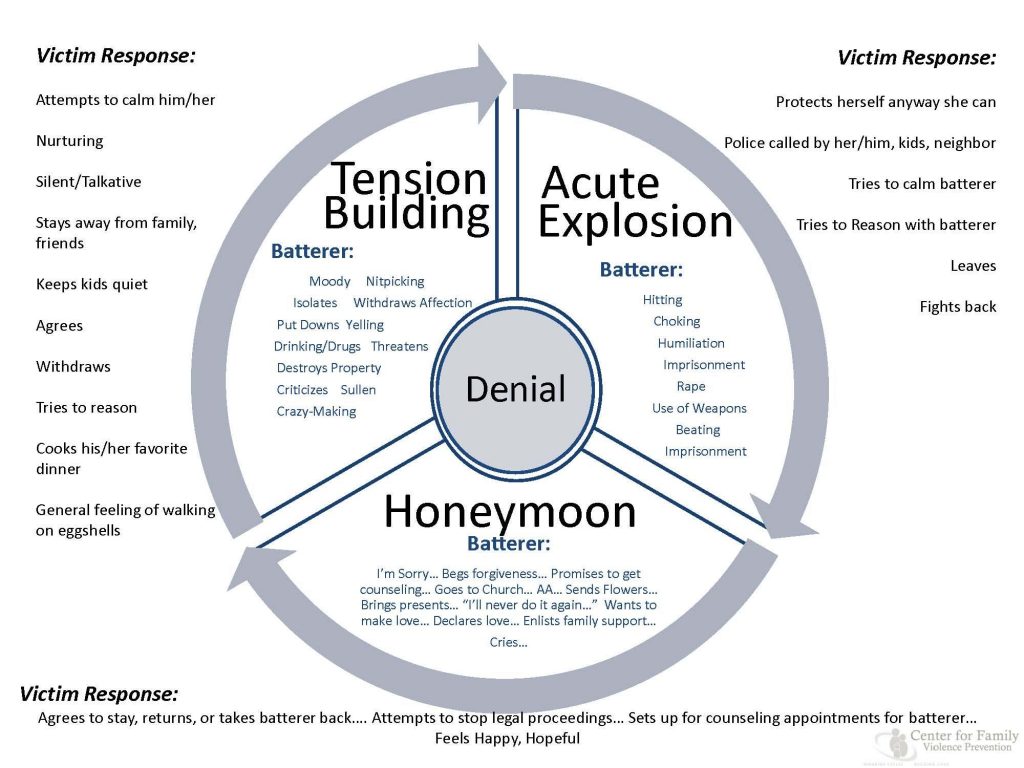
It’s difficult to share a story like Tracy’s, with so many layers and contributing factors, without taking the time to label behaviors and name impact. So I wanted to share some more about narcissistic and post-separation abuse in this post for those who may have recognized their own relationship in Tracy’s story.

Tracy spoke about being labelled rebellious in her Independent Pentecostal Church, being called a “bad apple” that needed to be “plucked” before she ruined her sisters, of having five or six men attempt to exorcise demons from her. This was not only traumatic spiritual abuse, this conditioning in her high-control religious upbringing contributed to Tracy being in an abusive relationship as an adult. She was taught to be a “good girl,” to shut herself off from her own feelings and experience in order to please others, to question her own voice and to be disempowered so that men can be centered and deferred to. Her nervous system never felt safe and secure, she was always striving to be more and do more in order to be accepted. This resulted in her being a high-achieving person as well as being disembodied from herself. She was also primed by religious conditioning to make her marriage work, at any cost.

During Tracy’s separation from Ben, her therapist told her she had experienced extreme narcissistic abuse. We cannot say definitively that Benjamin L. Corey is a narcissist without a formal diagnosis, but I believe a very strong case could be made. Let me define narcissism and highlight behaviors that fit into the categorization of narcissistic abuse:

Narcissism is a personality trait characterized by a long-term pattern of grandiosity, an excessive need for admiration, and a profound lack of empathy for others. Narcissism is found in more males than females. Narcissists are pre-occupied with power and success and believe they are superior than others and deserving of special treatment. Core traits include self-centeredness, vanity, and high levels of entitlement. Common behaviors include manipulation, gaslighting, exploitation of others, and intense reactions to criticism. It is either an inability or an unwillingness in narcissists to recognize the needs and feelings of others. They rather tend to be very critical and envious of others. They have difficulty managing their emotions and behaviors, especially dealing with stress and adapting to change. Narcissists are often depressed and moody. And underlying their grandiosity is deep shame, insecurity and fear of being exposed.

Emotional abuse can be just as painful and destructive as physical abuse. Often times, an emotionally abused woman will wish her husband would hit her, so that she could leave the marriage with a clear conscious. Emotional abuse is disorienting and debilitating. When Tracy questioned Ben’s behavior or they disagreed about anything, he employed the classic abuser’s response: DARVO (Deny, Attack, Reverse Victim and Offender). In a healthy relationship, you can bring an issue to the table and work it out in a meaningful and constructive way. In a relationship with an abuser, every issue you bring up gets turned back on you. You learn it is easier to put up with the toxic behaviors rather than be punished for expressing any of your own needs.

Ben’s utilization of DARVO has been especially impactful in the aftermath of their divorce, as he has used the court system to attack Tracy and to paint himself and their daughters as her victims. Here is an excellent resource Tracy sent me about post-separation abuse and parental alienation, High Conflict Education and Resources. I compiled a list of abuse resources that you can find here. Dr. Diane Langberg, Chuck DeGroat, and Natalie Hoffman are great advocates for victims of abuse. If you recognize your own relationship in Tracy’s story, I pray you find healing and safety.

Tracy wrote to me some key things to note about Narcissists:
1. Losing control over you–Their biggest fear is you thinking for yourself. You surrounding yourself with better people. You focusing on other things. When you stop being predictable or emotionally available, they feel threatened because control is the only way they know how to feel “safe.”
2. Being exposed for who they really are–Narcissists work hard to maintain a perfect image. The idea that someone could reveal their cruelty, lies, or manipulation is terrifying, it threatens the entire persona they built to hide their insecurity.
3. Being ignored–Narcissists love attention (you’ve probably noticed this). When you ignore them or act indifferent, their entire sense of power collapses. To them it feels like abandonment, and they panic the moment they can’t get a response out of you.
4. Someone seeing through their lies–They depend on confusion to stay in power. Your confusion, so that they can keep manipulating and gaslighting you. So when you show clarity, self-awareness, and emotional distance, they know they can’t twist reality anymore…and trust me, that makes them anxious.
5. You healing and moving on–Your healing means they no longer have emotional access to you. They’re terrified of you becoming strong enough to no longer need them, miss them, or react to them.

People are not always what they appear to be. Narcissists can be charming and project many admirable characteristics publicly. But who we are behind closed doors matters. We should be the same person with our family as we are with the public. Benjamin L. Corey is a popular writer and speaker in the Progressive Christianity space. Sadly, Progressives often repeat the fundamentalist systems they think they have rejected. To be truly Christlike is to consider others before yourself, lay down your life and interests for others, love patiently and kindly, without keeping a record of wrongs. God is love, and anyone who truly knows God is loving. As Dwight L Moody said, “If a man doesn’t treat his wife right, I don’t want to hear him talk about Christianity.”

You can listen to our conversation on The Beautiful Kingdom Builders Podcast on YouTubeSpotifyApple PodcastsAmazon MusicSubstack, and more! If you find our conversation helpful, please share it with a friend, rate and review, and subscribe so you never miss an episode!

TRANSCRIPT:

Ruth Perry (00:17)
There’s a quote from Dwight L. Moody that says, “If a man doesn’t treat his wife right, I don’t want to hear him talk about Christianity.” Today I’m talking with Tracy, who was married to popular progressive Christian writer and speaker, Benjamin L. Corey. In our conversation, Tracy shares parts of a decades long story that carries many layers and deep emotional trauma. It’s impossible to unpack everything in less than an hour, but Tracy offers a powerful glimpse into the realities that she has endured.

Before we begin, I want to acknowledge that abuse is often hidden and insidious. Silence protects abusers, not victims. And so this isn’t an easy topic, but real lives are harmed when abuse goes unaddressed and we’re called to bring light into darkness. When someone speaks up about abuse, it usually comes after tremendous courage and it deserves to be taken seriously.

After listening, you can go visit thebeautifulkingdombuilders.com for show notes, where I’ll highlight key aspects of Tracy’s story and include resources for anyone who may recognize similar dynamics in their own life. Without further ado, here is today’s episode.

Ruth Perry (01:26)
My guest today is Tracy Downing, a leadership coach and grief coach and a personal friend of mine from living in Maine. And so I’m so pleased to have you here today, Tracy.

Tracy (01:36)
Thank you. Thank you, Ruth. So good to be here with you.

Ruth Perry (01:40)
This is a conversation abuse and about coming out from conditioning in conservative Christianity and then reliving those patterns marriage. Your story has so many layers that I think people are gonna relate to sadly. And the best place to start is at the very beginning. So where did you grow up Tracy? And what was your faith background?

Tracy (02:03)
Well, I grew up in Maine, small town in Maine. I was part of the Pentecostal movement from, I think, birth and ended up in a Independent Pentecostal church, meaning it was its only kind. It had no sister churches or, you know, home church, if you will.

Ruth Perry (02:21)
Similar to Independent Baptist probably culturally, but different worship style for sure.

Tracy (02:26)
Different worship style, yes. And it wasn’t like, I think like Assembly of Gods, or like the Catholic Church, or the Vineyard. This was just a one and done church.

Ruth Perry (02:35)
So I met you in Maine as an adult, so way beyond little Tracy. And the way that I met you was I reached out to your husband online because I had found his website, Formerly Fundy, I think was the name of it at the time. Benjamin L. Corey is a pretty well-known writer and speaker now as a progressive Christian.

And when I was kind of beginning my deconversion from fundamentalist Christianity and rethinking my faith, I found his website and I really enjoyed reading his writing. And so I reached out because you guys were in Maine. And we ended up meeting and having a couple of meals together. And I really connected with you. But how did you and Ben meet each other, Tracy?

Tracy (03:24)
Yeah, so he’s my former husband now and we met actually at one of his family members weddings. We met there and it was a small wedding. And so he was doing the photography at the time and we struck up a conversation and very quickly landed on the topic of adoption and found that we both had a desire to adopt in our future.

Ruth Perry (03:47)
So that was the primary thing that you connected over, adoption?

Tracy (03:50)
It was the primary thing we connected over and you know the the idea to care for the orphan and the stranger and you know the love your neighbor and all of those things were sort of secondary but the command to care for the orphan was really forefront at that time.

Ruth Perry (04:08)
And how long did you know each other before you got married?

Tracy (04:10)
We knew each other for two years and that, interestingly enough, that dating time, looking back now, had what one might call red flags. But for my nervous system, it felt familiar.

Ruth Perry (04:22)
How old were you and Ben married?

Tracy (04:26)
So yes, sometimes these parts are embarrassing because I was 32. And so, you know, from a logical standpoint, should have known better.

Ruth Perry (04:34)
Well, how can you? I mean, it seems to me like when I started unraveling things, it was because things weren’t working. And so a marriage is a great place to find out the way that you’ve been taught isn’t working, isn’t it?

Tracy (04:48)
Well, yes, and interestingly enough, you know, I think this is an important part of my story. It comes up later and it’s really it was a really a gift. so I had met him shortly after a breakup. I had been a good girl, you know, gone to church and done the things and followed all of the rules and spoke openly about my struggles, got in a lot of trouble when I was younger for asking too many questions, pointing out discrepancies. I was labeled rebellious, which if you know anything about the Pentecostal movement and maybe even just conservative Christians, that’s rebellious is equivalent to witch craft.

And so I had been sent to the Christian school of the church one year because I was a bad apple in a bag of good ones in my family. And the elders had instructed my, particularly my mother, that I needed to be plucked out to save the family. So lots of that kind of talk, they tried to pray demons out of me and they wouldn’t come out. And of course, that was my fault.

I had done all of the things, tried following all the rules, pondered what it would look like, how to help people see my heart and not find me to be rebellious or the villain that my heart’s desire was to love God and to be a good Christian girl. And I just didn’t get it right.

At 26, I was at a conference, a two-day conference, and with a colleague slash friend, and there was a lawyer there. She worked with him. She had a couple of shared clients with him. So we had lunch with him. We sat with him. We had lunch with him and I thought he was hilarious. And on day two in the afternoon, my heart started racing and I thought, I think he might be flirting with me. I think he might be interested.

And Christian men weren’t particularly interested in me. I was pretty bold and asked lots of questions and I didn’t come across as meek and mild and submissive. Not because I was a bully, but because I was just bold. I asked questions and that was not acceptable. So when I had this experience with him, I was like, my goodness. And I, I remember going to the ladies room. I still go to this place at the Augusta Civic Center and you know where that is.

I’ve been there like three times and I go there and I get the flutters. I remember getting up and going to the ladies room. I could still show you which one it was and looking in the mirror like to see myself. And I thought, is this real? And I’m 26 years old and lo and behold, the afternoon goes on and he asks my colleague and I if we would like to go for appetizers after at the end of the day.

And I had just started, I had already had a master’s degree, but I had just started my master’s work in clinical counseling. And I had a class on Friday afternoons via webinar. And so I declined, we declined. I said, I have class. And he’s like, just skip. And I was like, no, you know, good girl, follow the rules. Got to go to class. And he ended up calling me the following week and asking me on a date.

And I was so scared. Because I thought, my goodness, what if he’s not a Christian? What am I gonna do? But I didn’t know how to say no. I didn’t wanna hurt his feelings. And so I was like, okay, I’ll just go on one date. And then I found myself on a second date and I was worried about how to do this because he was a kind guy, I really liked him. And then I, you know, was right away clear that he was not a Christian and didn’t know what to do with that. And then, you know, a few dates led to a few dates.

And I was like, okay, well, here I am. And what do I do with this? And I thought, okay, well, I’ll try to convert him. Let me just try to convert him. So I can date him with the intention of converting him. And when that didn’t happen, five years later, he ended up moving back to his home state for a job. And I didn’t move with him because we were not married.

We were not married because we had different beliefs and he was very gracious and respectful. I would say he lives his life like I understand a Christian’s life should look like. He was kind, he cared for people, he was gracious, he was forgiving, he was loving and we weren’t of the same faith and that ultimately ended our relationship.

Ruth Perry (08:46)
Yeah.

Tracy (08:57)
And then shortly thereafter, I met Ben. During that relationship, I had many friends concerned about us being unequally yoked and that I was living in sin, that I was dating him, was an affront to God, and that I knew better. And so when I met Ben, and he was a Christian, and he was interested, it was, you know, if I was obedient, God would honor, he would bless me. And so it appeared I was being blessed for obedience.

Ruth Perry (09:23)
I just can’t get over that they tried to exorcise demons. That is some severe spiritual trauma you’ve experienced. I’m so sorry. And I bet they were calling you like a Jezebel spirit and stuff too, huh?

Tracy (09:38)
Yes, and I was on the ground. There was five or six men. I was on the ground on my belly. The carpet was blue, but I don’t think it had any padding under it. And they were like, you know, asking for the spirit of rebellion and another one to come out of me, as well as rejection, rebellion, rejection, and another one. I can’t remember.

Ruth Perry (09:56)
I have married a Pentecostal. My husband grew up Pentecostal. And so I’ve been to a of Pentecostal churches and we went to a Charismatic Church for a little while after our third child was born. so I believe there are healthy expressions of every kind of faith denomination and then there’s very unhealthy expressions. And it’s just interesting.

We should, especially a Pentecostal you would think would be living in the freedom of their salvation in Christ and living freely, but they were like shoving you into this little box or this little shape that you didn’t fit into violently. And they did so much harm to you. And it’s heartbreaking.

Tracy (10:35)
Mm-hmm. As well as the teachings of Dr. James Dobson, but we won’t get into that today.

Ruth Perry (10:41)
Yeah, yep, he was playing in my household every day too. Lots of factors. All right, so you get married to Ben. What is the early days like? What is your marriage like initially?

Tracy (10:48)
Mm-hmm. So we got married, we moved in together. He became a, some of the details become a little bit fuzzy, but in the time that we were engaged till the time of our wedding, he lost his job and became a student. So he was a student and I was in the mental health space. I was in leadership and climbing the ladder of leadership quite fast.

And it became apparent to me that I felt like we were in competition and I couldn’t understand that. And he at the time had an associate’s degree from the military and was working to finish his bachelor’s with a goal of going to seminary. And so wWithin the first six months well, gosh, it started on our honeymoon. If you really want the truth, I started thinking, this is marriage? And thinking my expectations were too high, thinking that I just needed to practice being a good wife. Like all the things just started coming right there for me.

And within the first six months of marriage, he had written to his second wife, his first wife. I gave him that she had cheated on him per his report now that she cheated when he was at boot camp. He married her right out of college. And the reason that they were married for a couple of years was because he was in the military. I no longer know if that is the truth or not.

But it gave him that marriage. as his second wife, the story of his second wife was that she actually tried to kill him. She was a nurse in the military and that she had tried to kill him. And because she did not want to live as a Christian any longer. I see why now. I don’t know if that is true either. Because what I know now is that as his third wife that as things began to end, well, as things ended, that he started to construct that I abuser and that our children were in danger. So there’s a pattern there.

But within those first six months, he had written to that wife who tried to kill him for his report and told her he regretted the divorce and that he had learned a lot from me around grief and she actually sent it to me on Facebook and we were sitting on the couch nearby when I saw it and he and I was like what is this and there ensued a physical altercation for him to get my computer away from me and at that point he blamed that he had had one too many to drink the night before.

And that had also been an issue. He would not come to bed with me because he needed time alone because he was an introvert. But that introvert time was resulting in a lot of beer cans. And I was married and for the long haul. And so I shared one thing of my concern and then he accused me of breaking our vows and not respecting him. And that resulted in a lot of me needing to be back in his good graces. Somehow it turned on me and I lost that message. He deleted it and I was never able to respond to her.

But she was gracious enough to let me know that that was what he was doing in his free time and he did blame her and say she was just doing that because she had emailed him for money and that that was her thing and so the chaos ensued and I was alone in my story.

Ruth Perry (14:02)
So right off the bat, honeymoon, wow. I mean, that is the typical story when you’re married to an abuser, that just, the mask falls away. The energy that they were putting into keeping that mask on during the courtship and the dating and engagement and all of that, at some point, if they’re a person with a maladaptive personality type, they were exerting a lot of energy to hide that. And so it just goes away.

Tracy (14:29)
Well, when we dated for the couple of years, there were a couple of breakups. I had broken up with him initially, which ended up getting back together. And he broke up with me because I wasn’t Christian enough. And I cannot remember the Scriptures that he quoted. He knew the Bible inside out. And so there was never going to be a day where I could sort of keep up with him or out argue him on a Scripture. And that was really him tapping into the spiritual abuse.

And it’s when he started to identify suddenly he had grown up in a cult. Surprising family members. He did not grow up in a cult, but suddenly taking my experiences and becoming his own. And that was what he was leaning into to hook me, that shame of I wasn’t enough, I wasn’t Christian enough, right? The very things that I had been trauma bonded with the church around for my lack of faith or my too many questions or my inability to release demons became the very tool that he used to then further hook me in to being with him.

Ruth Perry (15:26)
So how long had you been married when you started pursuing adoption together?

Tracy (15:30)
So, well, despite that incident, and I was married and there was an apology and the number of other things, we ended up moving after nine months to Massachusetts for him to go get his M.Div. That was the original plan. And so the plan was to adopt at some point and then he really became eager about that and to say, you know, if we were going to adopt, why do we have to have biological children first?

And so I started researching the countries of how long you needed to be married and where you could adopt and what their criteria was. So during that adoption process, you have to answer a litany of questions and I really struggled with those questions in the home study and I asked him, how do I answer these questions? It feels like I’m lying. And I don’t want to lie. And there was a lot of contortion around that and reasons why it wasn’t that I was lying. It was that I had been mean or I had been prickly or I had been

Ruth Perry (16:25)
I don’t want to skip anything up until this point. Are tracking your story well, Tracy?

Tracy (16:28)
Yeah, we’re tracking the story. Yeah, we moved to Massachusetts. He started seminary. He started coming in. I remember him coming in one night from class. I was in the shower and he came in and he started asking me what I believed about you know, this or that. And I just told him that I believed option A and he’s like, why? And I was like, because, and he’s like, well, why not B? And I, you know, I shared and he’s like, well, you can’t, you can’t cherry pick. And I was like, well, I guess I am. And he’s like, you can’t do that. And I was like, well, I am. And those kinds of sort of putting my feet in the ground and not being swayed. I didn’t realize that at that point in time, but those were just things that were stacking up against me for later.

Ruth Perry (17:14)
He was keeping a record of wrongs, huh?

Tracy (17:17)
Yes!

Ruth Perry (17:17)
Yeah, all of this story is not love. This is not what love does.

Tracy (17:22)
No, but the nervous system recognizes the chaos and the not enough and the coming back and the trying, right? This is what I tried to do with God, right? Show God that I was enough, that I did wanna be a Christian, that I did wanna follow his ways. so this nervous system activity, what I know now, looking back like, yeah, right? It’s like that love bombing and that making up and then that like always going after to please. I was well conditioned to be a pleaser even though I was bold and vocal, I was well conditioned as a pleaser.

Ruth Perry (17:56)
And I’m kind of curious how your education to become a clinical counselor, was there any kind of dissonance in yourself as you’re learning about how the brain functions and emotions and everything? Were you really keying in at all yet on how your background was malformative in those areas?

Tracy (18:17)
It’s interesting. I did clinical counseling in education. And so I was already a clinician when I met and married him. But the focus of the clinical work is what does it mean to be a clinician and learning a lot about the process and the ethics and practicing counseling skills. It’s very little on diagnosis and treatment. In fact, you take one class and it’s more focused on at the time, giving away my age, Axis I, right? Anxiety, depression, some of the the bipolar, you know, but the Axis II, which is really where back back in the day, that’s what it was called. That’s where the personality disorders lived was not really, it was sort of like glossed over.

So it wasn’t anything that I had on my radar in terms of I had worked in hospitals with sociopaths and it didn’t look exactly the same and also that dissonance for me of what it meant to be with somebody who was constantly telling me my reality wasn’t real, that I was confused, that didn’t happen. You were misremembering. Those became lines that were on repeat.

And sometimes you’re lying or you lied. And I didn’t identify as a liar. And so there was a lot of trying to recall situations and give the benefit of doubt of what was my part. Always what was my part? How could it have been misinterpreted? How could it have been interpreted? What could I have done better?

But I wasn’t on the wavelength until actually Ruth, until we were divorced or in the divorce process when I went to a therapist and she was an older woman. She probably could have been my mom and I was sharing some of what was happening for me in In those moments, in those days and she leaned forward and she said, may I? And she put her hands on my knees and she said, I’m not here to diagnose anybody. I cannot diagnose anybody that I don’t see that is not my patient. But what I can tell you is what I’m witnessing right now in your story is aligned with narcissistic abuse. And it’s of the rather severe kind. And I just burst into tears because it was the first time those words had been used. And I knew it was true.

Ruth Perry (20:48)
And you’re exactly the type of person that a narcissist is attracted to because you’re nurturing and caring and you would take ownership of your own part and question your own ownership of problems and want to do better and be better. And you’re such an overachiever and such an amazing person. And narcissism is kind of like leeching off of that.

Tracy (21:11)
You know, family members stopped reading his blog because they said, that’s not him, that’s what Tracy would say. Or he’s just, you know, lifting up Tracy’s words and taking credit for it and they felt anger. But of course I was on the Ben train trying to support him, encouraging him. Another interesting piece that I lived with in that marriage was that another way that he had used to control me was suicide. So he had experienced a family member’s completed suicide when he was 17 and had done his research. And so anytime something wasn’t going as he desired, he would say, I need space. I’m not feeling safe or I’m feeling suicidal.

You know, I grew up with forgive and forget, forgiveness, forgiveness, forgiveness. I did not grow up with forgiveness being two separate things. First you forgive and then you assess if reconciliation can occur. I learned that when I started doing my grief work around you know, wow, that’s what happened. It wasn’t forgiveness and reconciliation, it’s forgiveness. And then there’s a choice around reconciliation.

So there was never opportunity for reconciliation because I was always put on the back burner or he needed a break or he needed space and it was often indefinite with a looming suicide worry hanging over. And of course I was a clinician and you believe people. And so he was always just this side of an attempt per his words.

Ruth Perry (22:38)
So when he started to leave fundamentalism and embrace a more open and loving faith, did his life transform in loving and beautiful ways, Tracy?

Tracy (22:49)
Interesting enough, when the breakup happened, we had been about an hour away and we were, think we’d gone on a nature walk or something. And something was said about being a fundamentalist. And I was like, I am not a fundamentalist. I am not a fundamentalist. I am not. I was not giving. I said, bring me home. I was like, no, bring me home. I was clear I was not going down that, because that word for me had a very strong connotation.

And we ended up chatting later, because fundamentalism didn’t mean that. Who knows now, right? But the conversation became, we had different definitions of what fundamentalism meant. This is what I meant. Okay, so we ended up getting back together. See red flags in hindsight potentially.

Well, let me back up for a minute, because you had asked me about about school when I was in school. I had come a long way from you know, I had left the religious organization I grew up in at like 16. And although I left the church, obviously a lot of those beliefs were just in me and I didn’t recognize which ones were which.

So we went to seminary, you know, he would have just taken like every class and it was very kind of disorganized. So I’m very organized and offered to help. And I said, Biblical Global Justice, this man needs this class. He was racist and he was deep in the patriarchy. And so he took the class and it was life changing for him.

But much like anything, when he would change, he’d go from here, whoop, way over here. And in that process, what I came to learn, a lot of what I learned about his own process came from me reading his blog later. I wasn’t allowed to comment on his blog. I wasn’t allowed to interact with any of his followers. But I would find out things and eventually said to him like, Hey, before you tell the world, can you, can you tell me? Like, can we talk about some of these things that you’re sharing? Like they include me or the family. I’d like to have some consent and he said, well, I’m a writer and this is my creative authority. And I was like, I understand, but if you’re going to talk about us in there, I’d like to have a level of comfort and awareness and consent.

That didn’t go over well. So what that did was just sort of when he moved away from fundamentalism into progressivism, what I learned very quickly was that there was fundamental progressives. You probably encountered that too. Yeah. And so I did not swing with him that way. My thing was more about love God, love your neighbor, care for the poor, the sick, the stranger. That had become my faith. I left kind of everything else behind. I didn’t really care about any of the rules. I didn’t care about if you were a pacifist or a Calvinist or any of those, all those things like that. It didn’t matter to me. It was like, if I spend the rest of my life loving others, my plate’s full. I don’t need to decide on any of this other stuff because it’s hurt, hurtful, harmful and divisive, quite frankly.

So that became the place where, he was interacting with other people and making friends with Matthew Paul Turner’s and those people became their circle. And those people were individual in nature. They didn’t include their spouses. So it didn’t look odd that I was kind of very on the outskirts.

Ruth Perry (26:18)
What would happen if you did comment or interact with his works?

Tracy (26:22)
So I didn’t I didn’t interact because by that point I was just you know I was looking for ways to keep peace. Sometimes I would read it and be like hey there’s a typo. But you know I was I was thinking okay. I’m just being respectful. This is his work. I Always felt like he didn’t want me to be known he didn’t want me to take the spotlight from him.

In fact, we were first married that first year, he was doing photography and I was his second photographer. And he stopped having me as his second photographer because his clients loved me. We’d leave every wedding and he would just be stone cold silent. And I was like, what did I do? What did I do wrong? And I could never get an answer. He would just say, you know what you did.

And I was like, I thought that went well. I was helping to, you know, the wedding parties after the wedding, everybody’s happy and everybody’s going their own way. And I’m corralling people and people appreciated that, especially brides really appreciated that I was thinking of them and the details. But it took the limelight off him. And in hindsight, I realized that. But he ended up in Massachusetts, hiring a seminarian friends that he met, his wife. And that is actually how I found out I was getting divorced.

I was actually in our room and he always had his computer. Everything was always locked down. For some reason he had left that day and I was picking up the floor and his his sound was on very loud and he got a ping and the sound went off and the computer lit up and it was Amanda and she and I just kind of turned naturally and looked and I saw that it was Amanda so I looked and he had said I’m actually getting divorced as well. So I was like, okay, all right. And she had written, I’m so sorry to hear that. And I just kept it to myself.

Ruth Perry (28:03)
How long were you married?

Tracy (28:04)
Well, we were married and living in the same space for 10 years. We were, by the time we got divorced, it was more like 14. And a month after we got divorced, he moved on the next street over. A month after our divorce, our daughter’s senior year, using his veteran status and her disabilities as a way to sway the the homeowners to sell the home to him because he was a disabled vet and she needed to be close to walk between parents.

Ruth Perry (28:33)
What do you want to share about your adoption journey, Tracy?

Tracy (28:36)
Yeah, that’s a story. I’ve always struggled with sharing that story because it involves my daughters and their consent. But we adopted older children. It was difficult from the get-go.

The truth is that he wanted to leave our oldest in country, but the country said you’ve got to take both of them. She ended up having some significant issues that they did not disclose. And he really attached to the idea of our youngest. He had targeted her from photos. In fact, I remember him saying she’s going to be my little girl. And I remember when he said that I was like, they’re both going to be your girls.

And so our youngest had a lot of needs, a lot of needs, way more than I would have ever imagined. And I spent years doing tests and advocacy and therapies and treatments and behaviors and he was present. But I did the mornings, I did the nights, I did the appointments, I did the advocacy. IEP meetings were really hard. If you know anybody or have ever been a parent with a child with an IEP, the school really has a responsibility to follow very basic needs and her needs were significant, which left me in the position of having to really kind of lobby and advocate hard. Not just for, well, you typically give speech one time a week, like, no, no, no. Like she needs speech three times a week for 30 minutes and here’s why, and here’s why an outsider evaluator.

And the way that an IEP is supposed to work is that you’re supposed to vote. And so for the very nature, I needed him to come with me for numbers purposes. And after every single IEP, we’d have a fight. And he would tell me, I don’t know why you have to fight. I don’t know why you have to do this. And I was like, because we gotta give her the best fighting chance in life. And I understand this process. I did this for other kids before I met you.

But they were too long, the meetings were too long, and they took his time, and he didn’t like it. He also did not use his own voice there, he just sat there quietly. And at one point I had asked him, this is so much to study the law and to understand the nuances and to the diagnoses, could you help me? And he had said, no, we can’t both be tied up doing this, somebody has to work. Thank you very much. Somebody has to work.

Ruth Perry (30:49)
So I was just listening to the Mel Robbins podcast this morning and she was talking to a divorce lawyer and I was really surprised that he said the vast majority of divorces are easy and amicable and that when you have a challenging divorce it’s because there’s someone in the process with malintent. Would you say that your divorce has been easy or difficult Tracy?

Tracy (31:14)
Well, I’ll say this. I was what is considered a protective parent. I advocated hard. And what I’ll say to you is we waited till she was 18 to get divorced. I walked away with absolutely nothing. I never saw one red cent of any of his book monies. He had royalties that came in. He had a big chunk for his second book that came in. He had that in separate accounts. I never saw any of that money, but I walked away with nothing, none of his military retirement or disability. I walked away with absolutely zero, nada, nothing. Because she was 18 and I just needed it to just be over and I needed to not be accused.

Now, having said that, I learned a couple years ago that my daughters believe I’m living in his home and that it’s a home he bought, which is not true. But what’s classic in divorce is post-separation abuse. I didn’t know about this. But it’s where the abuser takes you back to court for frivolous things because they’re now out.

When he has a supply, when he’s had a girlfriend, had a girlfriend when we were separating. It was his, he had, he, was a student, but she was his, the person he interviewed for a big part of his doctoral work and I found out from my daughter that she helped him graduate seminary and finish his second book. She said, mom, weren’t you married? And I said, yes, yes, we were married. She said, isn’t that wrong? And I said, yes, that’s wrong. But I knew when we went out to California for his, for his graduation and I kept saying we should, we should have dinner with her or whatever. And he’s like, no big deal. Was not biting on it. And then at his graduation, I basically did a photo shoot and he didn’t ask me to be in one photo.

And then it was a couple months later where I saw that to Amanda. So I started putting, you obviously pieces to the puzzle together. So when he had her, it was okay because he had a supply. But when they broke up or he wasn’t dating, that post-separation abuse really, it’s the control and it’s the using the children. And although our youngest was by age, not an adult, emotionally, mentally about six was still a child. So he had that child attachment. So even though she was 18, she was still going back and forth and there was some communication and I cut that off finally. I just couldn’t do it and that had its ramifications and when all that sort of started to go away he really, he took me to court for the house.

But he lied on the court paper saying he was a veteran with no housing. He had a house in my backyard. Like really blatant things. During that time, he moved my daughter’s, she was in a special program at a college for people like her. And I’m trying to stay vague for her purposes of respect. And he had moved, he had forged her name and moved money from an account, the account that she was managing for school to his own, telling her that I was stealing her money and that he was doing to protect her, but he forged her name. He’s committing crimes.

And so many things were happening and then took me back to court again for the house. That time he took me to court with a lawyer and the paperwork said that I could or didn’t have to attend. So I was like, I’m not attending. And he still lost that case. And it came back to me, know, so he had paid a lawyer and he still lost the case. In fact, the house is mine and I paid for it. And we did get an initial loan under his veteran stuff. But that was all worked out.

So the post separation abuse has been terrible and the worst part happened about a year and a half ago. Really maybe two years ago when my daughter came home from his house crying. And she very clearly said, she ran in my door and I was like, what are you doing here? What’s the matter? She’s like, I can’t do this anymore. I can’t live in my father’s fantasy land. And I was like, okay, well what happened? And I followed the parenting rules to, you know, don’t talk bad about the other parent. You always encourage them. And hindsight is 20-20. What I since learned once I realized what was happening and my reality was that.

You have to be honest with kids when bad things, maladaptive things are happening. You have to point them to truth. I did engage in bring her to counselors and tell other people the stories, but it’s so disorienting for somebody like myself. I can only imagine what it’s like for one a child and then a person with pretty significant disabilities.

So I sent her right to her counselor and he worked with her and she would tell him things. And one of the things was she was very concerned about his suicidality and he would tell her. And that was concerning and the therapist told her that that was not for her and that’s not something he should be telling her.

And then eventually she started to talk to him. She came home and I didn’t realize. During that time he had sent me a suicide letter, a very gruesome, very detailed, blaming me, accusing me, telling me very few people and that I had the power over her to change her in one second. And it just went on and on and I sent the email to my sister and I was like, this is a suicide letter and it has intent and it has a plan and I’m not gonna respond to him, right? I hadn’t been responding to him and I wasn’t going to use a suicide letter as an attempt. So she called the police and the police went and checked on him.

And they let my sister know. We checked on him. We did a well-being check and he’s fine. And she said, you need to read this letter and then tell me he’s fine. And so she emailed it to the officer and they made him go to the hospital. And I was like, I am in for it. This is not gonna go well for me. But I couldn’t sit on a suicide letter in my email box. And he was saying basically the blood is gonna be on your hands.

And so I knew I was in trouble. I knew. And sure enough, it didn’t take long when she came home from her program in May and she saw him for his birthday. She said, my dad wants to see me. And I said, sometimes when people are reconciling, they’ll say, well, I’ll go to dinner, and I’ll do it in public. And so I was trying to give her tools, encourage that relationship. And.

Long story short, he started having her over there more and I was trying to get her some work and I was always the one that was sort of like the heavy hand. You’ve got to go see Voc Rehab. You’ve got to do this. You know, was kind of dragging her along. He was always blaming, you know, well, they didn’t do this and they didn’t do that. No, we’ve got to help her set her up for success as an independent adult.

And what really happened was that he became the easier parent. He also became the parent where it’s common for kids to side with the abusive parent is really what it’s called under this behavior because they’re fearful for that parent and they turn on the what’s called protective parent. And that’s exactly what happened. And he wrote a four page accusation against me.

And she was angry at me for making her go to Roke Rehab. She left my house on foot and I was calling to her and I explained to her, you’re an adult and you get to make adult choices, but you have to be responsible for those choices and you can’t just move, you know, move back and forth between mom and dad’s house. If you move to dad’s house, you’re going to move to dad’s house. You don’t just get to get back when you’re upset with dad. Right. That’s your choice. But if you go, you’re going to go. And that day she’s like, I’m moving out with my father. And I was like, OK, but that will be your final choice. There’s no coming back. I could not do that with him.

So she went over. And I decided to… She had been very foul, her language. She spoke to me like she’d never spoken to me before. And I decided I’m going to get in my car and follow her. And I did over to her father’s house to see her there and he wrote in, sorry this is so hard to tell. He wrote in the report that she was afraid I was going to kill her.

He wrote a very long four page, this is a girl who can’t write a two sentence text. And so you had a very elaborate four page, Mr. Writer, a four page complaint. The fourth page, by the way, was well outlined as a diagnosis for post-traumatic stress disorder. And all she had to tell the court was that she was afraid I was gonna kill her with my car.

And I said, yes, I followed her. And the court definition of protection from abuse is if someone fears of bodily harm. And because if I had had guardianship of her and followed her, that would have been OK. But because she was an adult with a disability, who I managed all aspects of her life, it didn’t matter. And then they gave her an opportunity to choose how long and the longest being two years And she chose two years. She doesn’t have a concept of two weeks and there it is, two years, in around the two years.

My heart has had to say it’s, you have a funeral for a living person, living people, my children. I had seen that he had been working on our older daughter for a long time. That relationship I helped to mend. Lots of lies. And so when I would talk to her, I would be very careful, very careful because everything was going back. So it’s hard to have a relationship.

The same thing with my youngest. I see now based on the things she would say, she would say, my dad says you abused me. Why does my dad say that? And I would say, well, what did you tell him? And then in the summer when she had taken some space from him because he was trying to adopt his step sister’s daughter who was an adult and he was trying to get my daughter to help him tell her, you should let my dad adopt you. And she just thought that was, she just couldn’t do it.

So when that all happened, she would say like my dad told me this family member was scary and my dad told me. So now when I look back, I wasn’t the first person, I was actually the last person he turned. So she lost, not only is she an orphan once, his actions have caused her to lose a second, like whole family. And when she was not wanting to talk to her dad because he was demanding things and telling her things and continuing to tell her, I’m not the one who abuses you. She was, you know, open with trying to relate with his family, but they wouldn’t see her without him. They were, you know, and that was not the case. You know, like nobody’s protecting me.

Her speech therapist, said to her, know, hey, are you going to be here? Are you going to be your mom or your dad’s on Wednesday or whatever? And she said, I’m not going to be at my mom’s. she said, oh, why? And the therapist was asking because she would miss sessions when she was at her father’s and she was always consistent when she was with me. At 22, she was still in speech three times a week. That tells you the level of disability that I was advocating for and managing.

She said, I’m not gonna be at my mother’s house for a long time, she’s an abuser. And the speech therapist was aghast and said her name and she said, what are you talking about? She’s like, you love your mother. And that was the last time she ever went to speech. He pulled her from speech just like that. And the speech therapist kept saying, I don’t know, this must be just a teenage thing. She’s like, she has always just loved you. She’s been frustrated with her dad. Just hold on, just give her a week. And I was like, no. And she kept checking in six months later and she was like, I feel so bad. She lost her services. She’s like, was so shocked.

Many people have said the same thing, I deferred my hope for other people to hold that. But as far as I hope, I will probably never see my children unless he dies.

Ruth Perry (42:14)
It is so heartbreaking and as a mom, I just can’t imagine what you’ve gone through and I am so sorry, Tracy. I’m so sorry.

Tracy (42:22)
Thanks. Thanks. It’s important from a grief perspective. I do, you for 20 plus years, although I left the mental health world and I’m in leadership coaching and I do lots of change management and high level leaders. I have a specialty in grief and I sit with lots of leaders in grief, right? We grieve more than 40 things in life.

And that’s been a really difficult thing to reconcile because how you move through grief when somebody is alive and you’re constantly feeling, it doesn’t end, the grief doesn’t It’s been hard to know how to navigate through grief, to live grief and to be in the isolation that is grief.

Ruth Perry (42:59)
When you Google Benjamin L. Corey, you learn that he is a writer known for his view about nonviolence. But the story that you’ve told me is about severe violence against you and against his daughters and his other family members and former relationships. I mean, it is just inconceivable what a double life that is and how dishonest that is. And it’s heartbreaking and it’s not an uncommon story. I read an anonymous Substack a couple of weeks ago about someone talking about a man in the progressive Christian faith who really scared her in advances towards her that she wasn’t expecting. She was looking at him as a safe person that she looked up to. And then there’s a story of Tony Jones and his separation from Julie McMahon and the progressive world just swarming to protect the abuser.

Tracy (43:59)
Yes, yes, yes, that happened here.

Ruth Perry (44:02)
You can relate to that story, Tracy?

Tracy (44:04)
In fact, I have a story about that. When Julie’s story first broke, his first response was, can you believe it? And total disbelief, my thing was, people don’t make up stories like that, right? And there’s a risk. But it was then that I realized I was in trouble. I still wasn’t identifying as someone who was being abused because that was cognitive dissonance for me. But I remember him, the antics that he played and the storyline that he chose and of course he believed the abuser. But also he let me know all the people that he had on his side, that nobody would ever believe me. Noted, duly noted.

Ruth Perry (44:52)
I’ve always believed you, just from knowing you both personally and him for a very short period of time, but just feeling like when I met you and met Ben, I connected with you as an in-person relationship. It was genuine and authentic and sincere. And you do have a faith that is really beautiful and does show the fruit of the spirit.

And I just want to let you know, Tracy, I believe you and I’m very, very heartbroken and sorry for you that this is what your wild and precious life has had to experience. I thank God that justice rolls down one day, that, you know, we all have to face up to what we’ve done with our life. And what you’ve done with your life is love people and care for people and advocate for people and go out of your way and sacrifice. And you have a beautiful Christianity that I look up to, Tracy, and a beautiful life and you’re just a beautiful person. And I hope that if people need a leadership coach or a grief coach that they’ll reach out to you. How can they get in touch with you, Tracy?

Tracy (46:03)
Yes, while I’m doing a relaunch, tracy at tracydowning.com is my email. And you know, my reason really for sharing this story and there was, we went off on some tangents and we didn’t circle back. But my reason for, you know, when we chatted for sharing this was that if my story helps one person feel less alone, then I have served well in the world that we live in of injustice and silence in the face of injustice, that my story being my own and if somebody else is to feel as isolated and as alone as I have, sharing my story means they feel a little less alone than I’ve done that. So tracy at tracydowning.com is the best way to reach me. You know, grief is more than death, it’s religious abuse and it’s the normal and natural reaction to loss or change of any kind. And I sit with people in grief from a professional and personal experience.

Ruth Perry (46:59)
Thank you so much for sharing your story here today, Tracy. God bless you.

Tracy (47:03)
Thank you, God bless you too.


Thanks for being here for this important conversation. Believe survivors.
You can Subscribe to The Beautiful Kingdom Builders Podcast on YouTubeSpotifyApple PodcastsAmazon MusicSubstack, and more! If you find our conversation helpful, please share it with a friend, rate and review, and subscribe so you never miss an episode!

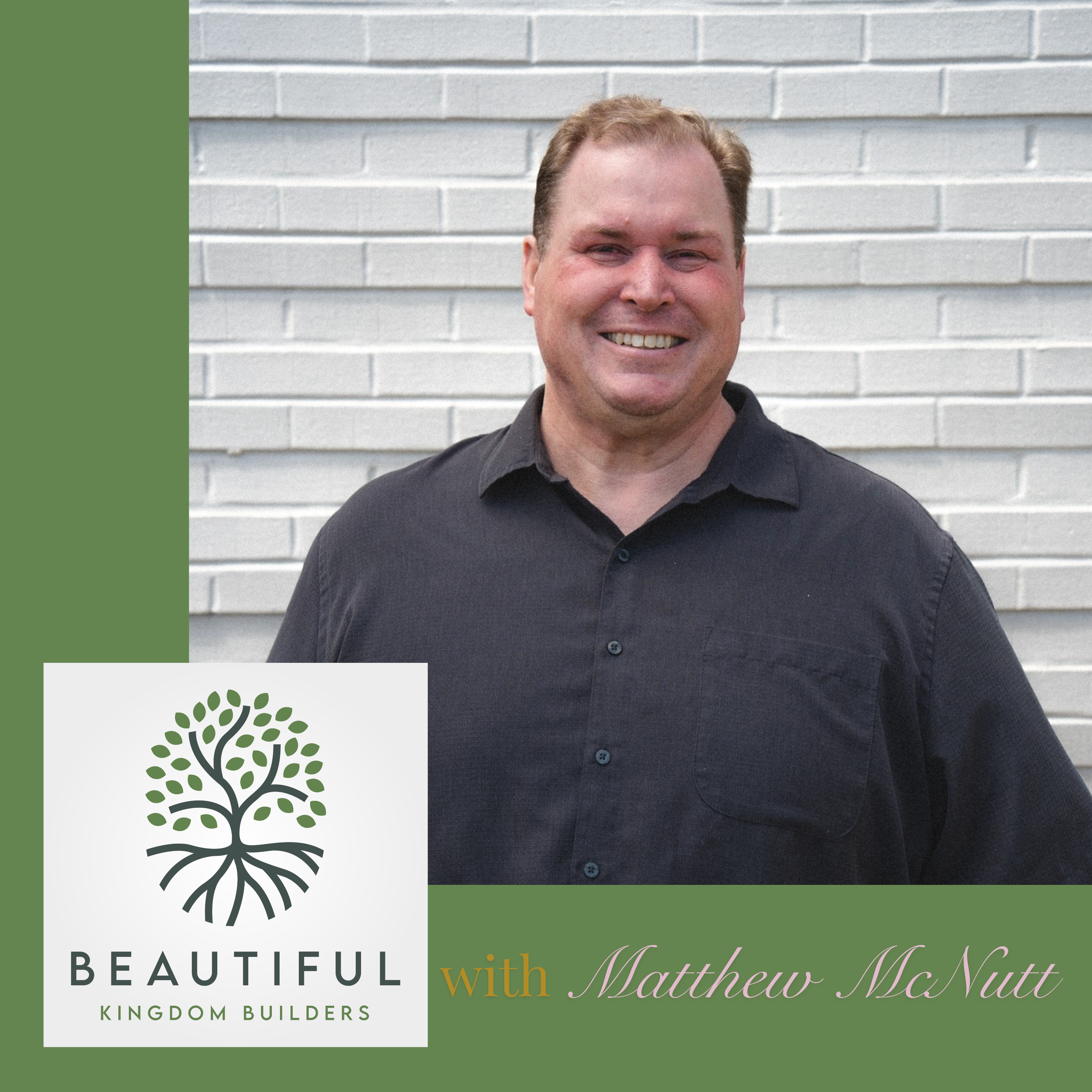
006 I Rev. Dr. Matthew McNutt on Abuse in New Tribes Mission / Ethnos360

In this conversation, Ruth Perry and her brother Matthew McNutt discuss their experiences as missionary kids in Tambo, a boarding school in Bolivia, South America, focusing on the rampant abuse that occurred and the institutional failures to protect vulnerable children. They explore the long-lasting effects of these experiences, the importance of believing victims, and the need for accountability within church and parachurch organizations. The conversation highlights the challenges faced by survivors and the necessity for change in how abuse is addressed in religious contexts.

Visit ⁠matthewmcnutt.com⁠ to find more detailed information about Matthew’s experiences at Tambo in Bolivia, and his work on a recommendations panel during IHART’s investigation into abuses in New Tribes Missions (now Ethnos360). And visit GRACE (Godly Response to Abuse in Christian Environments) at netgrace.org if you need resources regarding abuse prevention and response.

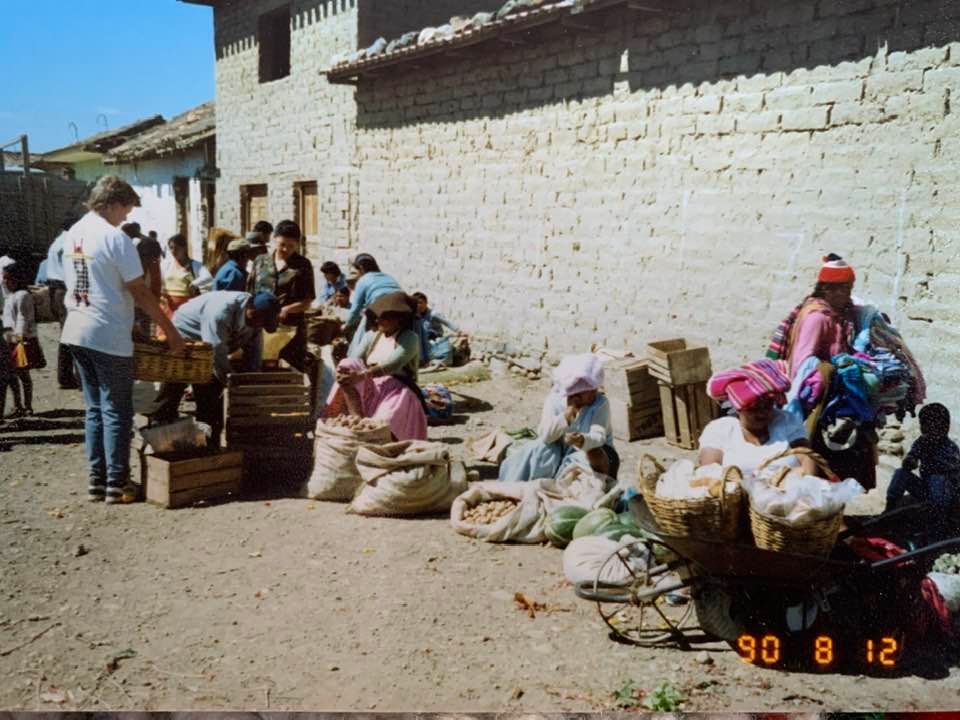
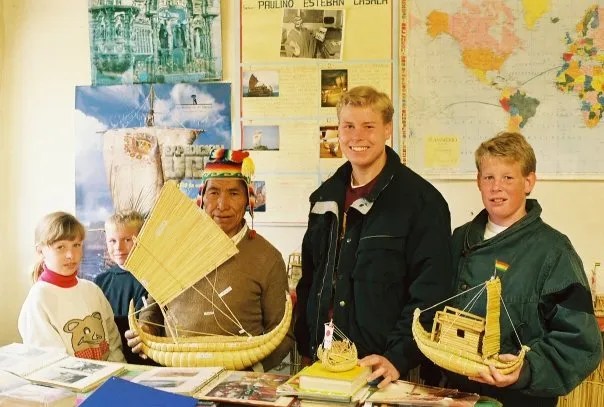
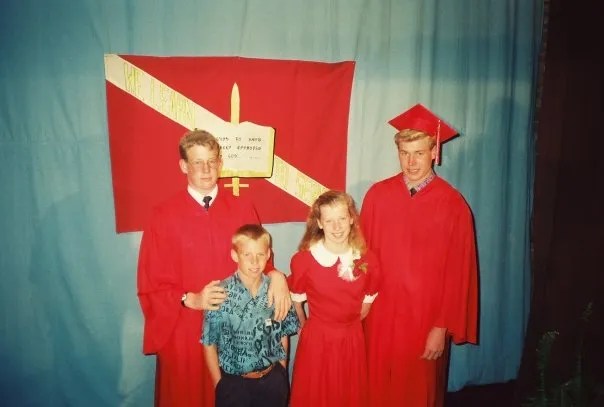
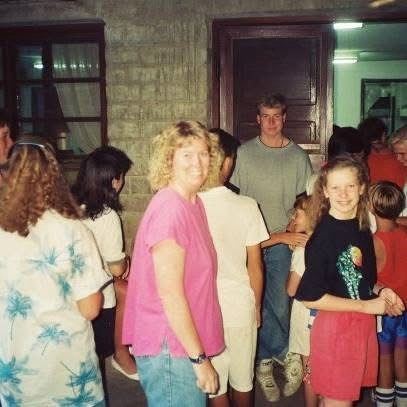
Enjoy these nostalgic pics from our time in Bolivia:

You can watch our episode on YouTube or find it on Spotify, Apple Podcasts, Amazon Music, and more! Please help us spread the word by subscribing, rating, and sharing with a friend.

TRANSCRIPT:

Ruth Perry (00:15)
My guest today is my much older brother, Dr. Matthew McNutt. I’m very pleased to have you today, Matthew.

Matthew McNutt (00:23)
I was pleased to come on until the much older, the, see, ⁓ yeah, good, good cover. That’s, we’ll see.

Ruth Perry (00:26)
much older and wiser, I should say. Yes.

And do you prefer to go by Reverend Doctor or can I call you Matthew?

Matthew McNutt (00:35)
Call me Matthew.

Ruth Perry (00:36)
I invited you on today because one of the things that is on my heart for the church is to care for our most vulnerable members. And we had the opportunity as missionary kids, to see how that can go sideways and all the wrong ways if the safety of children and the vulnerable is not prioritized in an organization. And so our topic today is rather heavy. And I just want to mention that before we dive in, because a lot of people have experienced spiritual, physical, sexual abuse in their lifetime. And so this might be an episode that is challenging for you or that you might not even want to listen to.

Particularly, we’re talking about a missionary boarding school in South America, but I think this was across the world in this organization and other organizations as well, that this was a common problem in these missionary boarding schools, that there was rampant abuse.

So Let’s share our experience. We weren’t always missionary children, but in 1989, our family moved to Bolivia and I was going into fourth grade at the time, but you were going into high school, right?

Matthew McNutt (01:46)
I was going into 10th grade. It was actually the fall of 1990. I guess this being much older and wiser helps me remember it. It helps that I kept a detailed journal too.

Ruth Perry (02:00)
I was thinking I was nine. I was born in 1980, so I was thinking I was 89.

Matthew McNutt (02:04)
89 was my freshman year of high school, 89-90. So 90-91 was the school year that we moved to Bolivia with New Tribes Mission, now known as Ethnos360. But yeah, we moved to Bolivia. Our parents were associate mission staff with New Tribes Mission, which means they were short term. They were going down for a two year commitment. It ended up becoming three years working at the boarding school as third and fourth grade teachers as part of that staff for the first year and half. Then they were transferred to Paraguay for a little over a year before coming back to Bolivia in time for my high school graduation. And then we returned to the US where they jumped into training to go full time with the mission before eventually leaving a year or so later and accepting a call to the church in Maine.

Ruth Perry (02:57)
Yeah, so moving to South America was very exciting. My dad had been an associate pastor at a church in Washington state and had been leading short-term mission trips. And he had been to Bolivia and really was blown away by his experience there. So that’s how we ended up moving to be short-term missionaries there. And so I think our expectations were very high that this was going to be extraordinary.

And it was in many, many ways. It was an extraordinary experience. And I’m really excited that we have that as part of our childhood. I heard Gabor Mate recently talk about how different siblings do not have the same childhood. And one of the ways that that’s true between you and I is that while we were in South America, I always lived with my parents. But the school pressured mom and dad to put you and Danny into the dorms. And so you were living in the dorms at Tambo. The school was very remote. We would get there by bus. I think it took 12 hours from Cochabamba or what was it?

Matthew McNutt (03:55)
Yep, from Cochabamba, six hours from Santa Cruz. The mission, when they had built the school decades before, had intentionally landed it in the middle of nowhere because they did not want missionary kids to have access to movie theaters and the other temptations in the cities, which is wild. As a youth pastor now, I’ve been a youth pastor for 25 years, and it is wild to me that it was more important to have kids hours and hours away from the temptations than it was to have them close to hospitals and emergency care. Like students died at that school over the years, but it was more important to be remote and away from temptation than it was to have access to health services.

Ruth Perry (04:42)
They had a typhoid and a hepatitis outbreak while we were there. And then in the surrounding area, there was a cholera outbreak. And we’re talking about a very short time that we were there, three years.

Matthew McNutt (04:49)
Yeah. Yeah. We called it the HEPA-CHOLEROID OUTBREAK because that was crazy year. That was our first year in South America.

Ruth Perry (04:59)
Yeah. I got an intestinal infection. So while everybody else is getting hepatitis and typhoid, I’m dealing with something totally different, but they kept treating me for hepatitis or typhoid. And so I nearly died our first year there.

Matthew McNutt (05:12)
You mentioned Danny and I were put in the dorms. He was in middle school, I was in high school. If I was in 10th grade, he was in sixth grade. And there was enormous pressure from the established staff that kids should be in the dorms. Which is funny because the guy that put the most pressure on our parents, Al Lotz, did not have his kids in the dorms. They were in his home with him. But, whatever. There was enormous pressure. you were close to death. Dad had hepatitis at the same time. And so the two of you were rushed into the city. Both of you had really severe cases and there was enormous pressure on mom that she could not leave the school to be with you guys because the task was so much more important. And these boarding schools were a way to get the kids away from the parents because the mission task was the most important thing.

Trust God with the kids but what people didn’t really talk about is where they tended to get their best teachers was through the associate program short-term staff who were then unable to really make much change because if they made waves, they were asked to go home early. And if they played nice, they could stay longer. But most of the long-term staff at the school were there because they didn’t fit in well in other places in the mission field. When you talked about we showed up with rose-colored glasses, I was not happy about moving to South America. I was 15. I liked my life. I had a best friend.

I had stuff going on. I was not happy to go. In hindsight, I loved that I spent years of my life living abroad. It really changed my perspective on a of things, but that first year was a really rough transition. But one of the things that was a shock for our parents was finding out the number one reason that most of the missionaries would leave the field at least at that time, was because they didn’t get along with other missionaries. Everybody had the same call, but man, just like there’s a lot of conflict in churches in the US, there’s a lot of conflict on the mission field, and it’s a lot harder when there’s only three families out in a remote base. If you don’t get along, it just gets bad quick. And so…

It’s so hard to find missionaries to begin with. It’s even harder to find missionaries who are able to raise their support and get to the country that once you get missionaries down there, if they don’t fit into what they were called to, man, there’s a desperation. We gotta put them somewhere.

Right? Like we can’t waste these bodies. And so we had dorm parents and teachers with no formal training that did not go to the field for that. I remember one couple wildly racist. They hated Bolivians, but they were missionaries to Bolivia.

Where do you put a missionary couple? Like, well, put them with the missionary kids and make them dorm parents. We had other people that had all sorts of conflict in other places, couldn’t fit in anywhere. Well, then they can be dorm parents. They can be teachers. And it was just a weird mix of dysfunctional career missionaries that couldn’t fit in in other places. Very few of them were at the school because that’s what they went to Bolivia to be missionaries for. Which right away creates a really dangerous groundwork for who’s gonna be working with kids.

On top of that, there’s been a handful of psychologists and counselors out there that specialize in boarding school counseling. A lot of it actually comes out of England because there’s a real boarding school culture there, not Christian but just boarding school in general. And one of the interesting things to me is I was in recent years processing some of what we experienced and what could have happened differently is those counselors would say, it is virtually impossible to have a boarding school without physical and sexual abuse. The schools just in general, secular, Christian, whatever, are going to attract predators because they’re gonna have access to kids with a lot less supervision.

Even if you have every perfect adult, there is going to be student on student abuse, sexual and physical and verbal, because it is impossible to provide the kind of supervision that a child would have at home with their family. Even where we know families don’t have as much communication and supervision as they probably should have. If you stick 15 or 20 high school guys in a home together with one set of parents, even if they are the best dorm parents in the world, there’s no way for them to adequately supervise and protect 15 to 20 high school boys even from each other. And so yeah, our boarding school had tons of abuse.

When we first went down, just in the three years that we were there, there were several missionaries kicked out of the school and off the field for sexual abuse of kids and students. And I remember for years thinking to myself, that must have just been a really weird three years in Tambo’s history. Like just bizarre, like how could that possibly be whatever?

And around 15 years ago, 16 years ago, one of my friends from Tambo who had rejoined the mission was stunned to find out that his abuser, who was not kicked out while we were there. She was still there when we were there as students. I think you had her as a teacher, Susan Major. Yeah, I’ll say names. I mean, even as students, she was no longer allowed to spank kids because she had so viciously beat and left scars on kids for the most minor offenses. So it was known, she was a known abuser. He was stunned to find out that she was still in the mission, that she had just been moved to a boarding school in Mexico.

And so he was like, she should not be in the mission. She needs to be gone. Like this is outrageous that she’s been in the mission at that point for decades and decades abusing kids. And they were like, well, you know, the Bible says you can’t have just one person bring an accusation against the leader. There needs to be two or three witnesses. And, you know, he was kind of stunned because it was already a known thing by the time we had shown up in South America. He was my age at that point, but as a fifth and sixth grade student, he had had her and in the years since she wasn’t allowed to beat kids anymore because it was such a known thing.

And so he started a Facebook group and just grabbed every former missionary kid from our boarding school that he could think of and was just like, hey, I need one or two more people that were abused by her to be willing to come forward or she’s gonna keep abusing kids in this mission. And so some people did come forward. They did finally remove her and fire her from the organization.

But what happened in this Facebook group is it exploded with other MKs going, well, I wasn’t abused by her, but I was abused by so-and-so, or I was abused by so-and-so, or I went to the school 30 years before, and so I have no idea who she is, but I was abused by this other person. And so it just became this chorus of voices.

I’m kind of convinced that social media really forced the mission to attempt to acknowledge abuse that they had been covering up for decades and hiding for decades because victims were finally going, if you’re not gonna talk about it, we’re gonna talk about it. We’re gonna put it out there. We’re gonna reach out to news organizations. If you’re gonna refuse to do anything about this, then we’re gonna sue until you acknowledge what happened and name these abusers. And so out of that came some responses by New Tribes Mission.

When he started this Facebook group of Bolivian missionary kids, this was after New Tribes had already contracted with GRACE, organization at the time. He was part of, think he’s retired from it since then. But they had contracted with them to investigate one of their other schools already. So it wasn’t a completely new idea that there could be an investigation that something could happen. But again, that was an investigation that happened because abused missionary kids who had become adults. Studies show most people, isn’t until their 30s or 40s that they really become willing to talk about their childhood abuse and start naming names.

A lot of it has to do with about the time you have kids, the age of when you were abused is when you start to go, wait a minute. I know for me, looking at my oldest son when he turned 15, about a decade ago, was a moment for me that I was like, yeah, no, this is outrageous. The way I was being treated, the abuse that was happening, the things that happened to me that were said to me. And I’m just like, I would never be okay with a fraction of that happening to one of my sons. Like they are children. So it’s just kind of your own memory kind of why it wasn’t as bad to me or it wasn’t.

But yeah, it was the same kind of thing. Missionary kids from this other country one of them had started a website where people could leave comments and leave stories and they had put pressure until New Tribes finally hired Grace to put together a response.

Ruth Perry (14:45)
Well, I’m thinking back about just how widespread corporal punishment, like as one type of abuse, the physical abuse there was widespread because I even had the first year we were there, I had my parents as my teachers in the third and fourth grade classroom. So overall, besides almost dying from an intestinal infection, the first year was pretty positive. And one big striking difference to the positivity of it, though, is that next door to us, was a first and second grade classroom. And in between our classrooms, there was a little closet with access from both classrooms. And so the first and second grade teacher would bring in the little kids and beat them So we could all hear the little six and seven year olds who are separated and so isolated from their parents being regularly beaten by their teacher.

And then I had Sue Majors in fifth grade. Danny had her his first year when he was in sixth grade and she was a very unstable person having meltdowns in the classroom where she would just start screaming at everybody and then we all had to comfort her and tell her that it was fine. Once they stopped letting her personally beat the children, she would just send them off to Al Lotz who would do it happily for her.

Matthew McNutt (15:52)
Yeah, he was the director of the school and what was supposed to be the solution to her beating kids, was send them to him and then he would evaluate whether or not a spanking was actually justified. Like for reference, one of times Danny and some of his classmates were sent to get a beating because they were taking a test and they were supposed to keep their pencil on the paper the entire time. And he and a couple of the other kids had accidentally lifted the lead off the paper to go to the next question and so they got sent for being defiant and disobedient and to Al. Now any reasonable person would have heard that and been like yeah no this is this is not justify a beating.

The problem was Al Lotz he was my dorm parent my first year student. When I was put in his dorm, just a bully, you know, when they finally did the investigation, he was the person I named for physically abusing me and spiritually and emotionally abusing me and New Tribes said, yeah, no, he did. They sent me a letter saying, you know, agreeing and when I named him on my blog, a bunch of other students reached out to me and said, yeah, he was their abuser too. But he bragged to us. I remember being shocked as a 15 year old sitting down in our first dorm meeting. It was me and 17, 18 other high school guys. So like we’re ninth through 12th grade. I think the last time I had had a spanking, cause we had parents that spanked us. I think by the time I was 10, that was over. I got other disciplinary measures, but I remember sitting there going, I’m 15, this is over at this point.

And he told us all, I believe in spanking. I don’t think any of you are too old. and I do not believe in four or five sissy swats. He pulled out, he had a wooden paddle. It was a big wooden board. And he said, I believe in a minimum of 15 to 20 full force, everything I’ve got, swats. Which our dad, when he found out about that reported that to the executive committee in Bolivia and and they acted shocked and horrified that that was an excessive amount He didn’t believe in spanking on the butt because he was like there’s too much padding it’s got to be on the back of your legs where it’s gonna actually hurt and so guys would compare Who was more black and blue from the back of their knees to their butt. Just from these minimum of 15 to 20 swats, full force, and that was gonna be the punishment for pulling a pencil off of a piece of paper in class. It was just wildly disproportionate.

Our dad reported that and the executive committee acted horrified. They told Al, hey, the maximum you can do is five swats. Five swats is reasonable, whatever. But they didn’t notify parents. They didn’t tell any kids. Nobody was told, hey, here’s the new rule. So that happened my 10th grade year. My junior year, he beat two of the high school guys. That same excessive number of swats, he was still swatting middle school kids, that number of swats, because nobody had been told otherwise. And there was no enforcement. And at that point, our parents had been transferred to Paraguay because they had already been labeled as troublemakers for going and reporting this abuse.

Ruth Perry (19:16)
They were also replacing a missionary who had been molesting the Native children.

Matthew McNutt (19:20)
Yeah, who was molesting native kids in Paraguay. The other thing my dad had done that had labeled him a troublemaker is that first year, Rich Hine the director of the school, who would just beat kids and came out over the Christmas break that he had molested a kid. Originally, Al Lotz’s decision was he can stay, he just can’t be the director anymore, he can’t be a dorm parent anymore. You know, he’s found out molesting a little boy and the answer was, well, let’s move him into a house at the edge of the property by himself and let him stay on as a teacher and a staff member, but he can’t be the director anymore.

And they didn’t notify any of the other staff what it was he had done. They didn’t notify parents. They didn’t notify kids. It eventually got out because the executive committee in Bolivia did find out what he had done. And while they agreed with not notifying parents or kids to see if there were other victims, they did talk to all of their own kids that went to the school to make sure none of them had been abused. Those kids came back, told their friends, who told their parents, some of whom were staff. So it eventually got out.

When it got back to the US, the headquarters, they gave him 24 hours to get off the property and one week to be out of the country. He was sent back to England, because he was a missionary from England. But once he was there, they didn’t notify his church, they didn’t notify anybody there, they didn’t notify authorities, They just fired him from the mission and turned him loose. And I know that because I went to the New Tribes Bible School in England and I inadvertently started attending his home church three years after he was kicked off the field. And the pastor who had been the pastor at the church for 12 years at that point. So he was Rich Hine’s sending church and sending pastor was like, wait a minute, you came from Bolivia? And I was like, yeah.

And he’s like, do you know Rich Hine? And I’m like. Yeah, He was like, you wanna see him? I can, you know, get you guys connected. And I was like, no, no, I I don’t really know. and then the pastor goes, you know, it’s really strange. said he came back about two, three years ago from Bolivia and it’s like nobody at the mission wants anything to do with them.

Because the mission the British headquarters were there in that town and he was like they just he’s just kind of here in the community He doesn’t hardly come to church anymore He’s like I’ve never really known why and I remembered thinking

It’s like, is not my job. Like, this is not, I should not have to be the one to, and I regret now, I didn’t tell the pastor what he had done. In hindsight, I wish 19 year old me had had the courage to tell this pastor exactly what had happened. But I didn’t and at that point, you know, we had been in South America for three years. Our parents had been in the training for a year.

Now I was in the Bible school, so at this point I had been connected to the mission for about five years, and it was really ingrained. We were not allowed to talk about Rich Hine. They literally told us that when they told the kids, hey, he had a sin issue, they weren’t gonna tell us what, but he confessed it, we forgave him, it’s all good, and you are not allowed to talk about it ever again, literally. And so, yeah, five years later, I was like, I’m not allowed to talk about this.

Ruth Perry (22:41)
He also had on his way out that day, he came into the lunch room where the entire school was eating lunch and took the microphone and cried and made himself out to be a victim. so.

Matthew McNutt (22:53)
Al Lotz, yeah, Al Lotz gave him the mic and told him he could say goodbye and he was sobbing and he was like, I don’t understand why this is happening. I was told it was okay. And so, I mean, there is a certain reality. They did a disservice to him by minimizing what he had done by telling him it was okay. So it was a shock to his system. I have no sympathy for him whatsoever, right? I have no, you know, he was an abuser that was judged by other abusers. So of course what he had done did not seem like a big deal to them. yeah, he went on, all these kids in the room are crying, like, oh, the executive committee in Florida is so mean, why would they do this? He couldn’t have ever done anything to deserve this.

And meanwhile, the victim, that had had the courage to tell their parents what had happened, right? The vast majority of victims don’t speak up ever. A very small percentage do. So this victim has the courage to speak up, to say what had happened, to tell their parents. The parents actually say something, the guy gets kicked out and so now this victim is sitting in this room while all of their peers are crying and going like, this is awful. Why are they doing this to him? How could this happen? Poor Mr. Hine. You know, I remember 15 years ago when I met with the investigators telling that story, that’s the part of the report that I broke down talking about because it was just so abhorrent to me to think that there was a middle school child in that room watching everyone feel sorry for Rich Hine because this kid had done the right thing and told and got help. Right? And then people wonder why victims don’t want to come forward because they don’t get protected. They don’t get looked out for.

And New Tribe’s entire response has been to cover up and hide what is done, to drag their feet at naming anyone, to not want to tell people what happened or why.

Ruth Perry (25:10)
What would have been the appropriate response from the executive committee in Florida to the news that they had a pedophile working at a school with a bunch of vulnerable children? Like, tell me step by step what you think they ought to have done and where they failed.

Matthew McNutt (25:27)
Well, they failed on every level. They still continue to fail. In the example of Rich Hine, the moment they knew what he had done, especially since he admitted to it, right? When he was confronted, he admitted that he had done that. The reality is they should have assumed that the odds of his one and only victim coming forward are ridiculously small. There’s no way he didn’t have other.

Especially as a as dorm, like he just had access and he had authority I don’t know this for a fact, but when I named him on my blog, others have reached out to me and told me that he was transferred to Bolivia from Paraguay because he had abused kids in Paraguay and there had been issues there. And this was kind of his second chance.

If that wasn’t part of the story, if all they knew was this one kid, the moment they’ve known that, he should have been immediately fired. I think he should have been reported to Bolivian authorities because he molested a kid in Bolivia. They should have reported him to US authorities, because this was an American citizen. They should have reported him to British authorities because he was a British citizen. His supporting churches should have been notified, hey, he is being removed and this is why.

Now, I was told when I told the mission years ago, you need to notify, well, that opens you up to lawsuits and liability and all that and I was like, well, first off, if somebody is gonna sue because you say this, well then you simply get to pull out, I was like, what lunatic is gonna sue over this because then you get to bring out the evidence to prove why you’ve made this accusation, right? You get to defend yourself and then it becomes public record. But furthermore, sometimes you just need to do the right thing and maybe that comes with risk, but it would be better if they got sued by a couple abusers than all of the victims that have been suing them to try and get them to name names.

The first thing they should have done is notified every single parent that had a kid at the school the entire time Rich Hines was at that school. So that they could have conversations with their kids to be like, hey, did this ever happen to you? Do you know that this happened to anyone? They should have notified the entire student body, right?

Instead of telling us, he did something, he apologized, everyone forgave him. It’s okay, Nobody’s allowed to talk about this ever again, right? Well, now they’ve closed the door on conversations. Talking about Rich Hine is now something that can get you in trouble. They should have had a conversation, age appropriate, right? Because it was a kindergarten through 12th grade school, but they should have had conversations on every level of, hey, this is horrific this happened. And I know some of you are gonna find this very hard to believe because the reality, abusers are so good at creating a great reputation so that when accusations come out, other people find it impossible to believe.

But they should have had conversations across the board and just been like, man, if any of you know of something, have heard something, have experienced something, had something inappropriate or uncomfortable or that you’re not even sure about. Please come tell us, right? To find out the fullness of the story. I mean, this is why, you know, a few years ago, Ethnos360 finally decided to release the names of sexual offenders who were still alive because they said you know, hey, they could still be out there sexually assaulting kids. what was explained to me is we don’t need to do the physical abuse ones because most of those were beatings and they probably can’t beat kids anymore anyways because of laws and whatever. So that isn’t probably happening anymore. Like in their rationale, they only needed to name names of things they thought might still be happening to protect against that happening again. And then they release the names on a buried site, part of their website that you can’t find, it’s in a PDF, you can’t Google.

But again, that’s lacking the concern for other victims out there, right? Because the most empowering thing to a victim is to know that, if there are other victims of Rich Hine out there, having him named, gives them the courage to go, I’m not crazy. I’m not misreading the situation. I didn’t cause this to happen in some way. It wasn’t me leading him into temptation, that it wasn’t on them, it was on him and having other stories released gives validity to them and gives them the courage and strength to come forward and say, hey, actually, this happened to me. They feel like, I might get believed more, but instead, by refusing to name dead perpetrator, honestly, it helps keep the list really small of who did what.

When you give such a tightly controlled, we will only name people that are alive and that sexually assaulted kids. It keeps the list small. And I think New Tribes they don’t want to admit that in their mission organization of thousands of people, there are dozens, if not hundreds of abusers that they know about. And, you know, one of the things that was pushed back on is, well, you have to keep in mind the culture at the time. The culture at the time would have reacted differently.

No, because the culture at the time, was horrified to find out Al Lotz was beating kids more than five swats. People were already being arrested for this kind of stuff. They were already reporting things in practice in the US. So it was very much culturally understood. This is unacceptable. There is a response protocol that should be happening.

Ruth Perry (31:04)
They’ve shown through working with victims that not being believed or having their experience minimized is re-traumatizing, almost to the same or sometimes more traumatic for victims than the initial abuse because it’s so hard to just say this happened to me. And then that’s a critical time where you need to number one, I think the church needs to be educated about abuse. We need to grow our empathy, not be afraid of empathy as many seem to be nowadays, where we can weep with those who weep and hold the pain and sit with the pain of others and witness it.

And so what is your advice to people, how should we respond if someone discloses abuse to us?

Matthew McNutt (31:50)
I think we should believe victims, right? Because the response is always, hey, what if they’re lying? What if they’re making it up? When they’ve done the studies, it’s something like over 90 % of the stories that come out are true, right? So if you err on the side of believing victims, statistically speaking, you’re probably, you’re believing the right thing.

You’re taking the right side. There is absolutely a lot of truth to coming out with the abuse and not being believed or the response being poor is very traumatizing. I was 15 when we moved to South America.

Al Lotz physically abused me. I didn’t even get one of the beatings. I think he was too afraid of Dad to ever actually beat me because I think he knew Dad was one of the few guys that would have come beat him up.

There were things I saw, there were things I heard, there were things I saw happen to my friends. Early on in my 20s, I started talking to counselors. I’ve done that off and on over the years. by the time in my 30s, when this conversation really started happening, I was a lot more comfortable talking than a lot of missionary kids were.

And so when New Tribes announced, at the time New Tribes, now Ethnos360, they said they were severing their relationship with GRACE because they didn’t like that Boz when they commissioned them to do this report, he released the report publicly, naming names of abusers. At the same time, he gave the report back to New Tribes, and New Tribes was absolutely caught off guard by that. They were furious that they could not control or filter or have a say in what the report would say.

And so they severed ties with GRACE, and what they announced was that they had contracted with IHART, I-H-A-R-T, an outside investigative service that was led by Pat Hendricks. And they wanted people to come forward with their abuse stories from all of the different boarding schools to reach out to Pat. And so I did. And I was a loud advocate to other missionary kids that, know, hey, we gotta talk to these people. Like, this is the opportunity.

New Tribes is finally listening. They’re going to do the right thing here. They’re going to investigate. And I legitimately thought there is a lot to win for New Tribes in addressing this because it was stuff from decades before. By the time they were launching this investigation, they largely didn’t have boarding schools anymore.

Most missionaries were homeschooling. The stuff that had happened in the past, there were enough people that quietly knew about it that they just weren’t, you know, they had better protection things in place. The people in leadership of the mission were not the ones that had covered up and hidden things decades before. And so I legitimately went into it going like, they’re gonna do the right thing. They can own this. It’s gonna be an awful chapter of their history, but they can name these abusers and make things right. And I advocated hard for people to talk. I was the first missionary kid from Tambo that the investigative team interviewed.

They sent four interviewers. Usually they did it in pairs. They would send two investigators of the same gender of the victim to talk to them. They sent four to me. They asked if that was okay because they were like, you seem like you’re comfortable talking about stuff. Would you be willing to talk to more of us just so we can learn more about the school in general before we talk to people that are gonna have a hard time? I was like, yes, let’s do it. And so they flew in, they met with me in my office here.

They said, you know, where are you gonna feel the most comfortable? was like, my office feels comfortable. And so we had a conversation for just hours and hours. And it was really good. And Pat had hired a lot of retired abuse investigators, law enforcement investigators, and put together this team. And so then over the next couple years, they were interviewing more and more missionary kids. I was telling people, you got to do this. It felt so empowering to me to finally be heard and listened to. I was like, this is such a good thing.

And then I was recruited to be on the first recommendations panel that Pat Hendricks formed for the first report that IHART was going to issue. And I was part of a team of six or seven, eight people that we were all recruited because of different backgrounds. There were a couple counselors, there were some missionary kids, there were missionaries, former missionaries. They wanted pastoral presence. And so part of what they liked about having me on this panel was that I checked off multiple boxes. I’m a youth pastor, so I’m a professional youth worker. I was a missionary kid. I’m a pastor. And so I served on this panel. We met up in St. Louis. And I had gotten hundreds of pages of witness statements and reports ahead of time to read through just sickening stuff that had happened in this mission field. And to children and just horrifying things.

And so we met and we talked about it. And we looked at these reports and came back with recommendations that really caught New Tribes Mission off guard. Because we found a lot of leadership in the country, culpable. We also found a lot of leadership in the Florida headquarters culpable which is one of the things that had shocked them when Boz had done his report that he found leadership in Florida headquarters culpable for abuse that happened because they had covered it up. There’s just document trails showing they knew stuff and they were aware of it and didn’t respond and We made a series of recommendations and I came away from it,

It was painful. It was hard. It was emotionally draining. It was horrifying. Part of why I’d been on that panel is I had no connection to that boarding school or that country. So it wasn’t people I knew, but it was certainly similar to stories I had seen in Bolivia. And at one point I even asked Pat Hendricks because that report I felt like it was a small number of abusers named. And I said to Pat Hendricks, and to the investigators, did not many people come forward from this country?

Or was it just, I was like, as horrifying as this to say, did they just not have that many abusers there? And she goes, well, what do you mean? And I was like, well, I could name off this many abusers from just my three years at Tambo. And that school had existed for decades and decades. Tambo was the first boarding school that New Tribes had started. And she said, no, Tambo is just way worse.

And said, what do you mean? And she Tambo had the most out of all the boarding schools. So much so that at that point she wasn’t sure how she was going to handle doing a report. Did she break it up into multiple recommendations panels and multiple reports to try and deal with all of it adequately because it would be too overwhelming to have one team.

And as shocking as that was, was a part of me that was like, that makes sense because there were so many just in our three-year window there. And so I came away from that hopeful New Tribes had heard all these things and then the report was issued and it was so sanitized what it was that New Tribes released. They released a document that was supposedly the recommendations that our panel had come up with. They wrote up a completely different set of recommendations. They were completely inadequate. Victims were rightfully outraged at this anonymous recommendations panel because they were like, how could they hear the stories and come up with the, well, they weren’t our recommendations. They released a set that was supposedly from us. They were not. I still have our recommendations, right?

And then, I was invited by Pat Hendricks to be a part of a second recommendations panel for a second country. And as we were getting ready to do that, New Tribes lawyer, Teresa Sidbotham got more and more involved. She started being on these calls and telling us what we could and couldn’t do and what we could and couldn’t read. And it was really confusing to me. And I was like, I don’t understand why is there a lawyer on this call? Is this lawyer acting on the behalf of the victims? Is this lawyer acting on behalf of the mission? Because it feels like they’re acting on behalf of the mission. And around that time, New Tribes fired Pat Hendricks from IHART. And I remember going like, how in the world is this mission able to fire the president or the leader of an outside investigative service?

Well, that’s when we found out that IHART was not an outside organization. It was a process started and owned by New Tribes Mission. And they fired Pat. They got rid of her investigators. They hired other teams. They put Teresa in charge of it. She sprinted through the reports, released, again, this second panel that I was a part of what was released did not reflect what we had read or said. And what was released about Bolivia was a joke.

And once they released it all, they rushed it all out. And then they changed the name of the mission organization. Right? So all of the reports were issued in the name of New Tribes Mission, about New Tribes Mission. And then the mission became Ethnos360. And they said it was because they were renaming to reflect to how they had changed over the decades and the mission and reaching the world and changing language. But it really felt like the timing was, oh, you sprinted out all these reports, said you were done, and then changed the mission’s name.

As to your question, I felt tremendously victimized by the betrayal I felt from the leadership, misrepresenting our words as a panel, you know, that I had trusted them when they said they had hired this outside organization only to find out, no, it was their organization and they could fire and screen and filter and change the words however they wanted. That was far more infuriating to me, far more damaging, far more hurtful than what happened, you know, when I was a teenager.

And I think what it is, is there is a part of me that understands, man, Al Lotz is a physical abuser. He enjoys beating kids and he beat a lot of kids. And he wrestled and he said inappropriate things and he did inappropriate things with kids. And there is a part of me that gets like as horrible as that is.

It makes sense that he helped cover up for Rich Hine because they were friends and they were both abusers. And if you’re an abuser, you don’t think another person’s abuse is that bad, right? What is far more horrifying to me in some ways, because again, some of what other people suffered is far more traumatic than what I suffered.

I felt like I betrayed other missionary kids by advocating for them to go through this process. I felt like I set other people up to get hurt by telling them that they could go and share these stories and New Tribes was going to actually do the right thing. It’s crazy to me that, 15 years later. They are still burying names.

dozens, hundreds of names of sexual and physical and spiritual abusers that are still just out there, able to get jobs at schools, to live, you know, Bob Fisher was a sexual predator of kids that they did not name until a couple years ago. It was shortly before his death. They wouldn’t name him now because he’s dead.

He was living across the street from a middle school at one point, if he had ever been named, if he had ever been appropriately investigated at the time, there would have been things put in place to protect him from having this kind of access to kids going forward, but they didn’t. And so for me,

You know, where 15 years ago, I had all this hope and felt like, the leadership of Ethnos360 has an opportunity here to do the right thing, to cause healing, to look out for the least of these countless children that were beaten, that were molested, that were raped, that were they were told they were liars, were told they were going to hell, that they were going to send other people to hell if they said anything. For years I was the one that felt shame and embarrassment and I felt like I couldn’t say anything. Al Lotz should be the one that feels ashamed and embarrassed and afraid.

But because they never said anything, he’s the vice president of another mission that specifically does children and youth ministry. That’s outrageous. They had an opportunity to speak up for all these children that were entrusted in their care, they didn’t. And so that’s why there’s a part of me now that goes, the leadership of Ethnos360 is culpable for the silence, for enabling. I am not one of those victims that feels like burn it all down. It all needs to go away. I think the majority of missionaries with Ethnos360 are probably great people. Great hearts, I’m friends with some of them. I know they care deeply about the Great Commission and about reaching the lost. But man, the leadership? Disqualified, for covering up for being unwilling to name the abuse to take responsibility for it out of fear of getting sued. They got sued anyways. But a lot of those victims that sued would not have sued if that wasn’t what it took to get their abusers named.

To go back to your question, Christians need to believe victims. And this is real. The Bible does call us to forgive. There needs to be a path for forgiveness, restoration, but the Bible also tells us to not be like a dog returning to its vomit and to be as wise as serpents, innocent as doves. Like we need to forgive, but we also need to take steps and do the right thing. And what seems to be happening in the culture at large is that the church, that Christianity, that these missions organizations are the least likely to name and expose abusers, that they’re far more interested in protecting the organization than they are in protecting and advocating for victims.

And what they actually end up doing in that case is advocating for and protecting abusers. Not naming Rich Hine is advocating for Rich Hine. Right? It’s not advocating for his victims. It’s advocating for his reputation and advocating for the people that will feel uncomfortable knowing that the person they supported or liked did this. It’s wanting to protect the reputation that missionaries are up on a pedestal. A lot of missionaries are really great, kind people with incredible hearts for God.

Ruth Perry (46:13)
Yeah.

Matthew McNutt (46:35)
But just like every organization out there, just like every church out there that has dysfunctional people as well or leaders in sin, there are missionaries in sin that need to be named, that need to be brought to light. Because, hey, like you cannot have an organization with thousands of missionaries and 100 % of them are gonna be sinless, perfect. Like, no, we’re all fallen people.

And it says a lot more about us, how we respond. Years ago, a friend of ours, a mutual friend of ours actually, was gonna be checking out our church and it was right after one of our pastors, something had come to light.

And it was a really ugly situation and we were going to be addressing it to the church. And I said to my Hey, I got to be honest. This is going to be a really uncomfortable Sunday. I don’t know if this is the one that you want to come check out our church with. Right. And his response was so true because he said, actually, I think I can learn a lot more about your church in seeing how it handles this. And I mean, that was coming from a guy who had worked in ministry where some bad stuff had gone down.

I think some people rationalize defending abusers as, we need to minister to them, and yes, there are steps there, but there’s also things that need to happen if you’re choosing the perpetrator over the victim, which tends to be more comfortable for everyone, right? Because then we get to all pat ourselves on the back of, look, like he did this horrible thing and we are helping him become a good person again. Like we are loving him so well and we’re embracing him and we’re showing the love of Christ. And meanwhile, we’ve chased the victim off and we’ve communicated to any other victims out there, hey, this is not a safe place.

That was a long winded way of saying, yeah, I felt more betrayed by New Tribes and Ethnos360 in the response than I did in what happened 35 years ago.

And, I think that continues to be a black stain on that ministry and a black stain on their leadership that needs to be acknowledged fully and, and finished. And that’s why there are still victims hurt and upset and posting things online and trying to bring awareness. I should not have felt like I needed to be the one to write a blog post about Al Lotz.

New Tribes should have taken care of that. I should not have been the one that felt like I needed to write a post about Rich Hine. That story should have already been told.

Ruth Perry (48:59)
And I think that what we’ve talked about today is just one case study of many, many organizations. And it’s kind of drilled into us as Christians that we need to make our church seem, we don’t want to make it look bad to people. So we need to just always put the most beautiful picture forward about who we are. And then also attending church, we get that same message of like, you need to put the most beautiful picture of who you are attending church. And so I think the people who get burned and hurt, they don’t feel safe, because they know that everybody’s wearing a mask. And that’s not a safe environment. The truth is what feels safe to people who’ve experienced this kind of abuse.

Matthew McNutt (49:41)
Yeah,

Ruth Perry (49:42)
We’ve covered a lot, Matthew. I’m sorry for what you experienced at Tambo and what you experienced again through the process of trying to bring accountability. None of that was your responsibility. I mean, it just is heartbreaking what’s happened to you and to others. And I just pray that if anyone is listening who has experienced abuse in a Christian environment, I pray for your healing and for your comfort and your peace. And I pray for accountability and justice for you. The GRACE organization, it stands for Godly Response to Abuse in Christian Environments. That’s a great resource to reach out to if you need accountability.

Matthew McNutt (50:18)
Their model, yeah, and their model for handling these kinds of things is probably one of the strongest out there. The Bible talks about how we can use our suffering to be an encouragement to others. And so part of why I have wanted to advocate over the years is I feel like I have had a unique combination of experience and understanding as paired with my vocation as a youth pastor, the training that comes with that, my masters in pastoral counseling. It’s given me some access points to process and talk and be a voice that I want to be for redemption in this area and for transparency and on behalf of victims. But man, we’re not anywhere near where we need to be yet.

And you my specific context or our specific experience in connection to history with New Tribes, now Ethnos360, just paints a picture, I’m still deeply disappointed. Their response is not yet where it needs to be. And I’ve blogged about that. You my blog is MatthewMcNutt.com All you have to do is search New Tribes or Ethnos360 on there and you will find my posts where I’ve documented some of that stuff a lot more thoroughly than what I can say in a podcast format.

Ruth Perry (51:37)
Yeah, check that out, matthewmcnutt.com And thanks for being on The Beautiful Kingdom Builders podcast with me, Matthew. Do you want to add the last word here before we sign off?

Matthew McNutt (51:44)
Yeah! I mean, that would be a first. Sorry, I went so long without any sibling rivalry. No, I’m excited you’re doing this. I’m excited to be a part of it. I’ve enjoyed watching, I think over the years, this has become an unexpected platform for you. I think it’s been interesting. There were a lot of years where we were separately
processing and navigating a lot of different theological things and coming out of some really conservative and fundamentalist backgrounds that in recent years we were kind of surprised to find that we’ve both ended up on a lot of similar pages theologically but separately.

Like just kind of navigating there through our different experiences and stories. And it is funny that you can grow up in the same house, but have very different experiences there too. And very different experiences in the church and on the mission field and in school and all of that. And so, yeah, I’m excited. I’ve been loving listening to the other episodes that have come out so far and can’t wait to hear who else you’re going to be talking to in the future.

Ruth Perry (52:59)
Thanks for your support, Matthew, I love you.

Matthew McNutt (53:02)
Love you too. Bye.

Ruth Perry (53:03)
All right, bye.


Thanks for visiting The Beautiful Kingdom Builders! We’re excited about our new podcast and hope to bring light to the darkness through these conversations about gender, abuse, justice and healing in the Christian Faith. Follow along here (you can subscribe by email on the right-hand menu under our page description) or on your favorite podcast platform and social media: YouTube, Spotify, Apple Podcasts, Amazon Music, Facebook, Instagram, Threads, Bluesky, Pinterest, and TikTok!

Resource list: Abuse advocates and experts

Over the past few years with #churchtoo disclosures and allegations, as well as the tidal wave of prominent pastors’ “deeds of darkness” being exposed, it is clear that the evangelical church has an abuse problem. Perhaps even more tragically, when we respond poorly to abuse, we exacerbate the pain and trauma of the victims and enable the perpetrators, endangering others and harming the witness of the church. It is imperative that we learn how to respond in a way that ministers to victims, holds perpetrators accountable, and creates a safe, healthy environment for our faith communities.

I wanted to make this post as a resource for pastors, lay leaders, and abuse survivors to facilitate abuse education. For each of us, it is not a matter of if we will face abuse in our own community, but when. So I asked The Beautiful Kingdom Warrior Facebook community to help me compile a list of abuse advocates in this comment thread. Below, I have fleshed out our list with links to the advocates’ websites, books, and social media so that you can easily follow them and begin to learn more about the prevalence and dynamics of abuse. Be sure to pass this post along.

To begin, here is a link to a short article I wrote on the dynamics of abuse for my denomination’s digital magazine, and here are some useful images for familiarization with the dynamics of abuse:

Abuse Advocates and Experts (in alphabetical order):

*book links are to my Amazon Affiliate store: thebeautif017-20

Dr. Dan Allender – The Allender Center

Bio: Prominent Christian therapist, author, professor, and speaker focusing on sexual abuse and trauma recovery
Website: www.theallendercenter.org
Book: The Wounded Heart: Hope for Adult Victims of Childhood Sexual Abuse
Social media: Facebook, Instagram, Twitter, YouTube, Vimeo

Shahida Arabi – Self-Care Haven

Bio: Columbia U grad who studied bullying; best-selling author specializing in narcissism and self-care
Website: shahidaarabi.com, Self-Care Haven blog
Books: Becoming the Narcissist’s Nightmare; POWER: Surviving and Thriving after Narcissistic Abuse
Social Media: Facebook, Instagram, Twitter

Lundy Bancroft

Bio: 25 years experience in the fields of abuse, trauma and recovery; counseling, workshops and public speaking
Website: lundybancroft.com
Books: Why Does He Do That? Inside the Minds of Angry and Controlling Men; Should I Stay or Should I Go?
Social media: Facebook

Laura Barringer

Bio: Educator, Advocate and Co-Author of A Church Called Tov
Website: linktr.ee/laurabarringer
Book: A Church Called Tov: Forming a Goodness Culture That Resists Abuses of Power and Promotes Healing
Social media: Instagram, Twitter

Andrew J. Bauman

Bio: Christian Author, Therapist, & Abuse Advocate. Helping men become sexually healthy.
Website: andrewjbauman.com
Books: The Sexually Healthy Man, The Psychology of Porn, Stumbling Toward Wholeness
Social media: Facebook, Instagram, Twitter, YouTube, Podcast

Gretchen Baskerville – Life Saving Divorce

Bio: Christian Divorce Recovery Minister, Author and Abuse Advocate
Website: lifesavingdivorce.com
Book: The Life Saving Divorce: Hope for People Leaving Destructive Relationships
Social media: Facebook, Twitter, Vimeo

Nichole Braddock Bromley – One Voice

Bio: Author, International Speaker, Sexual Abuse Survivor, and Activist
Website: iamonevoice.com
Social media: Facebook, Twitter, Instagram, Podcast

Jeff Crippen – Unholy Charade

Bio: Pastor, Author and Abuse Advocate
Website: unholycharade.com
Books: A Cry for Justice; Unholy Charade
Social media: Twitter, Sermon Audio: 21 sermons on abuse

Chuck DeGroat

Bio: Professor of Pastoral Care and Christian Spirituality at Western Seminary; Therapist; Author
Website: www.chuckdegroat.net
Book: When Narcissism Comes to Church: Healing Your Community from Emotional and Spiritual Abuse
Social media: Facebook, Twitter, Instagram

Rachael Denhollander

Bio: Lawyer, first accuser of Larry Nassar; Abuse Advocate and Consultant
Website: rachaeldenhollander.com
Book: What is a Girl Worth?; How Much is a Little Girl Worth?
Social media: Facebook, Twitter

F. Remy Diederich

Bio: Pastor, Author – helps people overcome life’s hurts with God’s help
Website: readingremy.com
Books: Broken Trust, Healing the Hurts of Your Past
Social media: Facebook

Patrick Doyle

Bio: Abuse survivor, Coach for those affected by emotional abuse, Speaker
Website: patrickdoyle.life
Social media: Facebook, Instagram, YouTube

Ashley Easter – Courage 365

Bio: Founder of Courage 365, a catalyst to cultivate and empower a Justice Generation that resists abuse everywhere
Website: courage365.org
Social media: Facebook, Twitter, Instagram, YouTube

Bob & Helga Edwards

Bio: Christian Therapists and Public Speakers
Website: awakedeborah.com
Book: Addressing Domestic Violence in the Church
Social media: Facebook

Maureen Farrell Garcia

Bio: Christian Writer, Speaker, Instructor, and Abuse Victim-Survivor Advocate
Website: maureenfgarcia.com
Social media: Twitter

Give Her Wings

Mission: We serve, without judgment and with compassion, single mothers who have left abusive relationships. Our goal is to show them the community and body of the Church, when they otherwise are not finding it.
Website: giveherwings.com
Social media: Facebook, Twitter

GRACE – Godly Response to Abuse in the Christian Environment

Mission: Empowering Christian communities to recognize, prevent, and respond to abuse. Founded in 2004.

“With a combined experience of over 100 years of addressing abuse-related issues, GRACE has accumulated and organized a wealth of resources from mental health experts, former prosecutors, and theologians to give you and your organization a well-rounded, robust, and deep understanding of abuse and how to prevent it. We all can make a difference by learning about abuse, become equipped on how to recognize it, and committing to responding appropriately. Browse the categories below to learn more.”

Website: netgrace.org
Social media: Facebook, YouTube; founder Boz Tchividjian on Twitter

Natalie Hoffman – Flying Free Sisterhood

Bio: Author, Podcaster and Life Coach for women recovering from abusive marriages and churches
Website: flyingfreenow.com
Book: Is it me? Making sense of your confusing marriage
Social media: Facebook, Instagram, Twitter, Podcast

Kyle J. Howard

Bio: Christian Theologian, preacher, & trauma informed soul care provider; Survivor of racial and spiritual abuse
Website: kylejhoward.com
Social media: Facebook, Twitter

Mariam Ibraheem – Tahrir Alnisa Foundation

Bio: Survivor of Sudanese Prison and Domestic Violence; Director of Global Mobilization and Co-Founder of TAF
Website: tahriralnisa.org
Mission: “We empower women escaping abuse by assisting with housing, medical care, trauma recovery, and legal fees.”
Social media: Facebook, Twitter, Instagram, YouTube

Virginia Knowles

Bio: Practical Theologian researching authoritarian and/or aberrant religious movements, spiritual abuse and family dysfunction
Website: virginiaknowles.com
Forthcoming book: Burned: Rising from the ashes of spiritual crisis

Dr. Diane Langberg

Bio: Christian Psychologist with 50 years experience counseling trauma survivors; Speaker, Consultant, Author
Website: dianelangberg.com
Books: Suffering and the Heart of God, Redeeming Power: Understanding Authority and Abuse in the Church
Social media: Twitter

This video is an excellent discussion about Ravi Zacharias’ decades long deceit and abuse and the system that enabled him:


Bekah Legg – Restored

Bio: Director of Restored, “Working alongside churches to end violence against women”
Website: restored-uk.org, bekahlegg.com
Social media: Restored’s Facebook, Twitter, YouTube; Bekah’s Twitter

Sarah McDugal

Bio: Empowering women to recover from abuse in the faith community. Coaching + Courses + Groups
Website: wildernesstowild.com
Books: Safe Churches: Responding to Abuse in the Faith Community; Myths We Believe, Predators We Trust
Social media: Facebook, Twitter, Instagram, Pinterest, YouTube

Scot McKnight

Bio: Professor at Northern Seminary, Theology Blogger, Co-Author of A Church Called Tov
Website: Jesus Creed
Book: A Church Called Tov: Forming a Goodness Culture that Resists Abuse and Promotes Healing
Social media: Facebook, Twitter

Chris Moles – PeaceWorks University

Bio: Pastor, Speaker, Biblical Counselor addressing domestic violence
Website: chrismoles.com
Book: The Heart of Domestic Abuse: Gospel Solutions for Men Who Use Control and Violence in the Home
Social media: Facebook, Twitter, The Safest Place: Domestic Abuse and the Church FB group

Wade Mullen

Bio: M.Div Program Director at Capital Seminary & Graduate School, Author, Abuse Advocate
Website: wadetmullen.com
Book: Something’s Not Right: Decoding the Hidden Tactics of Abuse and Freeing Yourself from Its Power 
Social media: Facebook, Twitter

Julie Owens

Bio: Expert Consultant, Trainer and Keynote Speaker on violence against women and trauma
Website: domesticviolenceexpert.org
Social media: Facebook, Twitter

Naghmeh Abedini Panahi – Tahrir Alnisa Foundation

Bio: Iranian Church Planter and Domestic Violence Survivor; Executive Director and Co-Founder of TAF
Website: tahriralnisa.org
Mission: “We empower women escaping abuse by assisting with housing, medical care, trauma recovery, and legal fees.”
Social media: Facebook, Twitter, Instagram, YouTube

Brian Peck – Room to Thrive

Bio: Licensed Therapist, Trauma Coach, helping people resolve religious trauma and thrive after deconstruction
Website: roomtothrive.com
Social media: Facebook, Instagram, Twitter, YouTube

Sarah K. Ramsey – Toxic Person Proof

Bio: Toxic Relationship Specialist, Author, Podcaster, Consultant
Website: sarahkramsey.com
Book: Becoming Toxic Person Proof
Social media: Facebook, Twitter, Instagram, YouTube, Podcast

Dr. Anna Salter

Bio: Training, Consulting and Publications on Sex Abuse, Offenders, and Victimization
Website: annasalter.com
Book: Predators, Pedophiles, Rapists and Other Sex Offenders
Documentary: Predators

Dr. Christy Gunter Sim

Bio: Expert Training, Advising and Consulting on Domestic Violence, Sexual Assault, and Trauma Healing
Website: drchristysim.com
Book: Survivor Care: What Religious Professionals Need to Know about Healing Trauma
Social media: Facebook, Twitter, Instagram

Eric Skwarczynski – Preacher Boys

Bio: A podcast and upcoming documentary shedding light on decades of abuse within the Independent Fundamental Baptist movement
Website: preacherboysdoc.com
Social media: Facebook, Twitter (Preacher Boys), Twitter (Eric), Instagram, YouTube, Podcast

Julie Anne Smith – Spiritual Sounding Board

Bio: Blogger, Abuse Advocate and Survivor; “Out of our wounds flow compassion, understanding, & grace. May we all be ‘wounded healers’ who do no harm.
Website: spiritualsoundingboard.com
Social media: Facebook, Twitter

Shanell T. Smith

Bio: Minister, Professor, Consultant, Author, Survivor
Website: shanelltsmithconsulting.com
Book: Touched: For Survivors of Sexual Assault Like Me Who Have Been Hurt by Church Fol…
Social media: Facebook, Twitter, Instagram, YouTube

Elaine Storkey

Bio: Writer, Broadcaster, Speaker, Author, Christian Feminist
Website: elainestorkey.com
Book: Scars Across Humanity: Understanding and Overcoming Violence Against Women
Social media: Twitter

Darby Strickland

Bio: Biblical Counselor, Speaker and Author
Website: darbystrickland.com
Book: Is it Abuse? A Biblical Guide to identifying domestic abuse and helping victims
Social media: Facebook, Instagram, Twitter

The Hope of Survivors

Mission: A non-profit dedicated to assisting victims of clergy sexual abuse and misconduct
Website: thehopeofsurvivors.org
Social media: Facebook, Twitter, YouTube

Shannon Thomas

Bio: Trauma Therapist, Author
Website: shannonthomas.com
Book: Healing from Hidden Abuse, Exposing Financial Abuse
Social media: Facebook, Instagram

Lori Anne Thompson

Bio: Registered Kinesiologist and expertise in the protection of people from the ravages of poverty, adverse childhood experience, and interpersonal violence. Survivor of Ravi Zacharias abuse.
Website: loriannethompson.com
Social media: Twitter

This interview is a must see. Lori Anne articulates the dynamics of abuse so profoundly and carefully with great expertise.

Dr. Ruth Tucker

Bio: Former Professor at Calvin Theological Seminary, Author
Website: ruthtucker.com
Book: Black and White Bible, Black and Blue Wife

Tom Vermillion

Bio: Pastor, Author
Website: tomvermillion.com
Book: Born To Be Free: Discovering Christ’s Power to Set You Free from a Painful Past
Social media: Twitter

Leslie Vernick

Bio: Speaker, Author, and Licensed Clinical Social Worker and Relationship Coach
Website: leslievernick.com
Books: The Emotionally Destructive Marriage
Social media: Facebook, Twitter, Instagram, YouTube

Who would you add? Let me know in the comments! Please share this important information!

*I am an Amazon Affiliate and may receive a percentage from books sales from the links above.