Tag Archives: trauma

010 I Rev. Carlos Malavé on The Church’s Witness in Immigration Enforcement

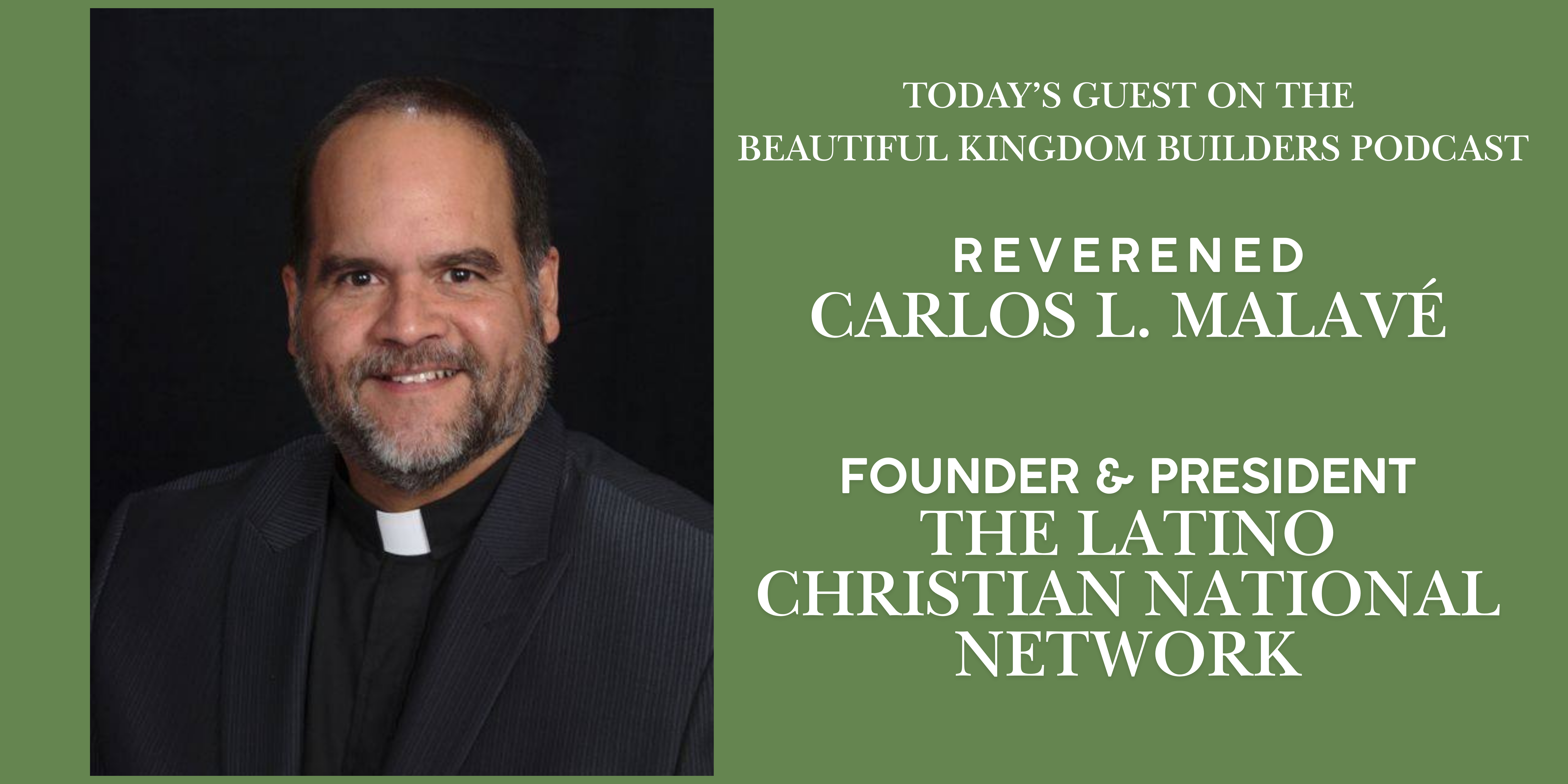
When I started my podcast, my hope was to amplify voices whose message is needed by the Church today. I am overwhelmed with gratitude for my friend, Rev. Carlos Malavé after our conversation about the current inhumanity and cruelty our immigrant neighbors are facing.

This conversation explores the intersection of immigration and spirituality, emphasizing the need for compassion and understanding towards immigrants. Rev. Malavé shares personal stories and insights on the contributions of immigrants in the church and U.S., the impact of current immigration policies, and the church’s responsibility to advocate for justice and mercy. The discussion highlights the psychological trauma faced by immigrant communities and calls for prayer and action to support those affected by immigration enforcement.

Rev. Malavé is the founder and President of The Latino Christian National Network, advocating for immigration reform and humane immigration policies. You can find resources and more information about his organization’s work at ⁠LCNN.org⁠. You can find Rev. Malave on ⁠Facebook⁠ and ⁠Instagram⁠.

I was especially moved when I ask Rev. Malavé how we can support his work, he asked sincerely for our prayers:

Please help me spread this important conversation by sharing this post or a link to my podcast from your favorite platform, YouTubeSpotifyApple PodcastsAmazon Music, or more! Thank you for taking the time to listen. My apologies for the technical difficulties with the video recording. Thankfully, you should not notice anything on the audio platforms, but after twenty minutes, Rev. Malavé’s video cut out.

TRANSCRIPT:

Ruth Perry (00:15)
Our topic today is immigration enforcement, and not just as a pressing political topic, but as a deeply spiritual one. This is a conversation about people, not just policy, and what love of neighbor looks like on the issue of immigration. And I’m honored today to be joined by Reverend Carlos Malavé, founder and president of the Latino Christian National Network. Reverend Malavé brings both a national leadership lens and a pastoral lens to this conversation. Carlos and I are both pastors in the same region of Virginia. And we’ve been meeting weekly for two years in a lectionary group, so he’s a friend of mine. Thank you so much for being on the Beautiful Kingdom Builders podcast today, Carlos.

Carlos L (00:58)
Ruth, it’s really an honor to be with you in this capacity. Obviously, you mentioned we know each other in all the other different places, but I’m very excited. First place for you and the podcast, and I look forward to continue to hear good things about how you succeed in reaching out to people with good messages and obviously also I look forward to engage with you in this critical conversation. And I like the way you put it, that it’s not just about policy, but it’s also about people, about human beings and how what is happening affect the lives of real people.

Ruth Perry (01:36)
I keep thinking about how to start a conversation and I just keep coming back to Jesus’ teaching about the two greatest commandments being love God and love your neighbor as yourself and that if you follow those commands you will fulfill all of the law. But like the expert in the law, a lot of us want to justify ourselves in who we love and I think it’s easiest for Christians to love our neighbors on a micro level, the ones that we personally know and are in relationship with. And then that doesn’t always naturally extend to people we don’t know. And so I wanted to start on that micro level with you today, Carlos, because I know you on a personal level. You’re my friend. And I know you as a very proud and loving husband, father, and grandfather. And so I wanted to ask you, what are your hopes for your Latino family in America?

Carlos L (02:24)
Thank you. That’s a very personal question, Ruth. And I really appreciate it to go to that level. I’ll answer your question, but let me preface it by saying this that happened to me three days ago, four days ago, my son, my middle son, his name is Josh. He has my three grandkids, the only three grandkids I have. And he sent me a text message a few days ago and saying, do you want to make an investment in your grandchildren? And I was beginning immediately to wonder, okay, what is he going to ask? And then he asked, would you be willing to pay for the passports for the three children? And that took me aback.

Obviously, he’s a teacher. He doesn’t have a large salary and so on. And sometimes he come and he knows that I can do it. I want to do everything I can for my grandchildren, so he knows the spot. But he did took me aback. And because the reason he said is I want to have a passport for them because I’m even wondering if at some point they will be or I will be racially profiled. And I want to have a proof that they are citizens. That really took me aback.

And so let me add to say that most of my ministry, and especially my ministry that has to do with national issues and so on, it’s informed by my family in this particular case with my grandkids. And so when I engage in my ministry and my work, to large extent, everything I do, I do it with them in the back of my mind. And I really truly think about this all the time. I am committed and I want to do whatever I can to help create an environment, a country where when I leave, I will know that my grandchildren will be in a place that it’s nurturing, that respect them and where they can thrive as human beings. Honestly, that’s in my mind all the time. I need to do everything I can to give my grandchildren the opportunity to thrive and to really experience life to the fullness, like John 10:10 tells us.

Ruth Perry (04:40)
Because I am called to love my neighbors as I love myself, I want for your family, Carlos, what I want for my family. And then I’m also thinking about how our Latino American immigrants are our Christian siblings in the faith largely. And even immigrants from other parts of the world, we’re talking about our siblings. And so familial love when we talk about immigration is so important, I think.

Carlos L (04:47)
Thank you.

Yeah, this is one of the most important things we must keep in mind when we think about the situation with immigrants and immigration in our country. Something that we know is true for a long time now is that the influx of immigrants, not only Latino, but all kind of immigrants from Africa and Asia in our country, in the US.

One thing that that has done for us is to revitalize the life of the church. To the extent that I am one who believe, and my belief is not just based on my hunches, but it’s based on data, on hard data, to believe that engine behind the church today, it’s immigrants.

To the point that we know that it is the immigrant church, the one that is keeping alive the church. Because we know that for the most part, the church is decreasing in membership. So we can see very clearly that from the mainline churches. But now we even have data that says that even the evangelical and the Pentecostal churches are not growing and are slowing in their growth considerably, but the only ethnic group or group of Christians and people who are growing are Latinos. And that is true for evangelicals and Pentecostals too, for major mainline and also, the Catholic Church. I mean, the reason why the Catholic Church is still alive and strong in our country is because of the large, large numbers of immigrant Catholics who are coming to this country.

So immigrants are the, as I said before, the life and the engine of the Church today, and to large extent, it’s the future of the Church also.

Ruth Perry (06:46)
How is immigration enforcement different today than it has been in the past? And how are Latino Americans experiencing that expansion of ICE and Border Patrol that’s happening?

Carlos L (06:57)
That’s a very good question Ruth and I have so many folks who who lean towards more fundamentalist, conservative side and many of them who are my brothers and sisters that tend to support the policies that are promoted by the Republican party. They remind me all the time, say, you look at the facts and you will notice that during the Obama administration, we had a larger number of people that were, deported. The Obama administration deported a larger number of people. I really haven’t gone there and looked for the numbers that they talk about four million people. I don’t know, it’s not actually the truth or not, it could be.

And I have no issue with the fact that the Obama administration deported, let’s say, four million people. The truth is that we, me and other Christian leaders who are working today with immigrants, we don’t oppose the upholding of our laws and the deportation of people that come to our country in a way that it’s not necessarily legal. We’re not against that.

The truth is that what we’re seeing today is a far cry from what we believe should be the heart of this country and who we are. And so the interesting thing when they tell me that is that if the Obama administration deported four million people, we didn’t even notice. We didn’t even notice. They uphold the law, they did what they need to do, and that’s it. But today is a whole different situation. And so this is where the big problem is.

It’s not necessarily that we don’t believe that we should uphold our laws and protect our borders, which we should do. But it is how the current administration is conducting, how it is implementing and the policies they are using and the attitude that they’re using, which I could talk for a long time, but it’s simply degrading the humanity of our brothers and sisters. And so that is the big, big difference.

And let me add that I mean, we should have never come to this point. I mean, what is happening in our country, it is really, really tragic. The way we are dehumanizing human beings, our brothers and sisters, and we should not have come to this point. Why do I say that? I say that because for almost 30 years, people like me and other leaders, many, people in our country, not only Christians, but all kinds of leaders have been advocating and asking our government, our federal government to enact immigration reform so that we can deal in an orderly way, in a kind and merciful way with the reality that we have living among us millions of people who have made this country their home and they have children and live here and are contributing to our economy, contributing to our culture, are contributing to the life of the church. And so we’ve been asking for 30 years, can the government do something to fix this?

And I have to tell you, because it is true, there has not been the political will, not when we had Democratic administration nor when we have Republican administrations. And so it has not happened. And we’ve been advocating for that for 30 years. And so when we see what is happening today, it is devastating to us because we ask can we come to this place? How are we being so barbaric in the way that we treat this neighbors of ours that are contributing to the life of this country? We should do better. And I think we can do better. But that’s not where we are at this point.

Ruth Perry (10:42)
You and I both pastor in a rural community in the Bible Belt. And so I’m kind of curious how this issue feels different to you as a pastor rooted in local ministry versus your work on the national stage and how those two different ministries inform each other.

Carlos L (10:57)
Yeah, thank you for this question Ruth. May tell you two things about that. One is that the area where we live, I mean, you know the area better than me, but there’s not a large presence of immigrants in this area. The presence we have is primarily Latinos. We barely have immigrants from other other areas or countries. So you will find here and there Latinos in our area, but they’re not that present. And so I think that fact has to do with the very little that our church members know about that culture and that community. They don’t necessarily, in a daily basis, have to deal with people who are different. And so our region, our area is pretty much homogeneous, more or less. I mean, obviously we do have people who are African-Americans, but the largest sector of people here are white Americans.

And so one thing that I’ll say about that and I have given thought to this and even share with a few people is that when it comes to understanding an issue like immigration, the members of our church are so disconnected from that reality and from the needs, the challenges, the daily life of immigrants that they are very ill prepared to really think about what does it mean to be an immigrant. The other aspect inside of that is that I find, and I say this with all respect, it’s just my analysis. And that is that most people in our region, they live well. They have the daily challenges that most of us have, family challenges and maybe some financial challenges, some of them. But for the most part, people in our area live well. They are, I don’t know, middle class. Some of them have a little more than middle class, but they live well. They don’t have big, big issues in their lives. Many of them have land. They have their nice house that they have for generations. And they have built a life that it’s a nice life.

They just deal with some of the daily challenges that we all do, but they live well. And so in a way, this is my perception, they’re very disconnected from the realities of people who live in poverty, who have to face poverty, or people who are immigrants and come from other countries and have the very particular challenges that they have. So when they think about this issue or even when they speak about this issue, they are analyzing it and speaking from a very privileged position and they don’t understand what these people are going through. They don’t necessarily understand the true politics of it, the whole human situation of people moving because of all the the problems they face in their country. All that, they kind of alien to that. And they simply make up their minds and give opinions based on what they watch in the 6 p.m. news on TV. And especially they listen or watch some particular very biased news in TV.

Ruth Perry (14:16)
Yeah, I think that’s true. I want you to keep your pastor cap on for a moment and let’s speak then to the church in our community and the broader church in America. Beyond the teaching of Jesus to love our neighbors as we love ourselves, what are some other teachings in Scripture that tell Christians how we ought to think about immigrants?

Carlos L (14:21)
Okay. I think that when we look particularly at the Old Testament, I mean, I’m not the person, Ruth, that can quote you verses from top of my head, neither in English, neither in Spanish either. But when you look at the Old Testament, you look at the Psalms, even when you look at Leviticus and some other passages from the scriptures.

I appreciate that you quote the New Testament because I mean, from my perspective, Jesus could not be more clear on this. But even when we look to many, many passages in the Old Testament, we see again and again, particularly also the prophets, calling the people of Israel to task when it comes to welcoming the strangers in the midst.

And so we have this very well-known text, again, which I cannot quote for you, but basically that says, when a stranger come into your doors, into your town, into your home, treat them as you will treat one of your own. And that is the general sense of the Old Testament, that we must see ourselves as one human family.

And let me add something here that I thought about sharing with you before. And that is that before I talk and I said that I do believe we need to uphold our laws and we need to protect our voters. The faith, the kind of faith that I have and the faith that that I have learned from Jesus, teach me that borders are things that one day we will get rid of. And the reason why one day we will get rid of borders is because God has no borders. Because for God, we are all members of his loving human family that he loves.

And so if we go to the bottom line and you ask me about borders, I don’t believe in borders. I mean, I do believe in the sense that I’m a citizen of this country and I need to uphold the laws and I cannot pick and choose laws. I need to abide by all of them, but I don’t believe in borders. I believe that we must learn slowly and progressively to see each other as just one human family.

And let me go a little bit even deeper. I believe we can ask the question, why do we have borders? The reason why we have borders is because we want to protect our power and we want to protect our economy. And so for us, our power and our economy are more important than our fellow human beings. That’s what we protect.

And so let me finish by saying then that the reason I don’t believe in borders is because I believe that we must work towards a humanity where all resources are shared equally, where everyone has access to live the life that Jesus desired for all of us. And one day, hopefully, we will get rid of all divisions and all borders, physical borders that divide humanity.

Because that’s coming. It’s just that we resist it. We want to resist it. We rather keep living separate. But one day, the gospel, I believe, says, we will all live together without borders. I happen to believe that. And so I happen to have that mindset. Other brothers and sisters of mine, for some reason, want to perpetuate those divisions. But God will get rid of those divisions one day, one way or another.

Ruth Perry (17:58)
Yeah, I agree with you. I’m thinking about how God created the world and he loves the world and he’s provided enough for everybody. He’s the Great Provider. We live with abundance, but we allow people to hoard it and we allow poverty and we allow systems of oppression and we allow a lot through this scarcity mindset and fear and greed rather than living in the faithful trust that God has provided enough for everybody. And so

Carlos L (18:22)
Yeah, yeah, no, that’s completely, that’s completely true. I’m sorry to interrupt you Ruth, that’s so true. And then let me ask one little aspect of this, and that is that somehow some people think that immigrants to this country are taking advantage of the system. That is not true. That is categorically not true. The contributions that immigrants make to this country are far beyond what they receive. If we talk about the economy, taking the economic contributions of the Latino members of our country, it’s just mind-boggling.

The economic capacity and the contributions that we as Latino, just talking about Latino, not about others, make to this country is just huge. And then one other little point, and that is that even immigrants who are undocumented in our country, they are making huge contributions to our economy, not only by even the taxes that they pay and even the contributions they make to social security, the majority of them that they will never collect. They’re just contributing that to the system. But also the economic capacity and what the buying power that they have. And so the contributions we make to the economy of our country, if we just look at that aspect, it’s just huge.

Ruth Perry (19:46)
In 2023, immigrants contributed $652 billion in taxes, including $90 billion from undocumented immigrants.

Carlos L (19:54)
Wow, there’s the number.

Ruth Perry (19:55)
And then we’ve also 5% of our armed forces are immigrants who cannot vote, but they’re willing to lay down their lives for our country. And we have 7 million jobs that need to be filled by people, but we’re going to deport 13 million people instead. And we don’t think that that’s going to hurt our economy? I think it’s just one way that misinformation is not only hurting our Latino American neighbors, but it’s also hurting all of us.

Carlos L (20:20)
Yeah, and we saw, I mean, for the last several months, in places throughout the center of our country, I’m trying to think of states here like Idaho, Montana, all those states, there’s been a pushback from farmers with the administration because they are losing the manpower to run their farms and the processing plants for chicken or beef or animals or whatever. They have been alarmed of how they are losing the workers to sustain their their industries. And so it’s been a great concern for many, many farmers throughout the country.

Ruth Perry (20:59)
Another bit of misinformation that I hear all the time is this immigration enforcement push for mass deportation is about safety and that they’re just removing the worst of the worst, but then their own data shows that less than 5 % of those that are being detained are violent criminals. And most of supposed crimes that guilty of might be just their immigration status. And then so people say, well, they should just come the right way. But can you explain how that phrase doesn’t really match the reality of our immigration system?

Carlos L (21:31)
Yeah, thank you Ruth for asking that. That’s one of the most sensitive questions for me and for us. Because, and I can tell you, I’ll tell you two quick stories, real people. I will not name names, but I’ll give you insights into this. There is, one Latino Christian national leader, whom I know personally, who for years has been a very vocal and strong supporter of this administration and of our president. At this point, he doesn’t know what to do. And he’s trying to keep the dance that he doesn’t offend the administration because he supported them, but he’s been very quiet for the last six, seven months because he doesn’t have the face to talk to his people and accept the reality that you just described. Interestingly enough, tomorrow evening, this person has invited pastors from Minneapolis to meet with him. I don’t know what he’s going to share with them.

But because I know already know that many of them are pushing back on him because he keeps supporting what is happening. And then the other other story is of a pastor in Minneapolis. I don’t know if you know, but you probably know that we went with two other leaders to Minneapolis two weeks ago and had the opportunity to spend two days with pastors there. It was a powerful, powerful experience going to Minneapolis.

And so there is one pastor there who is doing an incredible work. He has converted his church into a distribution center for groceries primarily. And to this point, I think he has served probably 30,000 families already who are primarily Latinos, but also Somalis and other members of other communities of immigrants, who are so scared to death to come out of their houses. And his whole church is converted basically to a distribution center and he has probably 900 volunteers from the community, mostly white, who are there working in organizing all this distribution of food to people.

But my point with this is that even this pastor, I heard him say a few days ago, and I was so grieved by this, because he said, and I’m very respectful now, mentioned the president, this is not what the president said he was going to do. He said he was going to deport criminals.

Hey, when I heard that, Ruth, I don’t know what I thought because I was so, so upset. Because I believe that we knew from the very beginning that this was coming. And somehow people just want to have made believe or I don’t know what they’re thinking that they thought that this is not coming. This is coming. This was coming. This was very clear from the very beginning.

And I think if I heard well what you mentioned, Ruth, one of the saddest parts of this is that they are not only deporting and focusing on all people, very little of criminals, which we are fine. If they deport criminals, that’s fine. Perfectly fine.

But that what we see now, which is worse, is the racial profiling. And even this pastor, who actually, by the way, he also supported the administration and the president. Now he has a change of heart, at least in what it has to do with this issue. He has even used the words ethnic cleansing. And he has to explain, he used those words, even was interviewed by CNN.

And he used those words and he has to explain what he mean by that. But the reality and the truth is that what we’re seeing simply and truly is that particularly the Latino community, also communities like the Somalis, the administration is just going after people who have a particular color skin, they speak particular languages.

And those are the people that they raiding and those are the people that they are deporting. So it is really tragic that in our country, we have a decision from the Supreme Court that truly support racial profiling. That was tragic that the Supreme Court made that decision. And we are seeing that every day, every day in the streets of our country.

Let me just mention one quick thing and this is that this week we were praying for the Haitian community in Springfield, Ohio because we knew that the administration has removed the protection, what is called TPS, temporary protection status. They have removed that from the Haitian community. And so in Springfield, Ohio, we know that there are probably 10, 12,000 Haitians who are living there. And why we know this? Well, we know this because we learned this in the election cycle because they became the mock of many in our country, that particular community. And so the administration removed the protection. And on February 4, we knew that ICE was getting ready to begin the push in Springfield, Ohio to begin to remove 10,000 Haitians. And with the rhetoric, they are saying that it was perfectly fine for them to go back to Haiti because Haiti is fine, it’s safe.

The only thing you can do about that is just laugh. Who can say that Haiti is a safe place to live? And they are ready to send these families back to the mayhem that regrettably is happening in Haiti. Thanks God that a judge, a federal judge, stopped that for now. We don’t know what’s going to happen, but at least for now, the court order is protecting Haitians in Springfield, Ohio and anywhere else we have large Haitian communities in Miami area and southern Florida and so on.

Ruth Perry (27:27)
In many ways, our country has enticed people to immigrate and then we have a convoluted system where they’re coming the right way. But the process can take decades and a lot of money. And ICE is targeting people when they’re at their court appointments, going through the process. They’ve removed the legal status of 1.6 billion immigrants last year or million. 1.6 million.

And it’s clearly people are not paying attention or they’re not seeing that aspect if they think that everything is above board. Because ICE is clearly working unconstitutionally, we’re denying people due process, detaining people illegally. And as Christians, we ought to be morally outraged, but we’re the demographic most likely to support this.

Carlos L (28:13)
Yeah, that is heartbreaking. I mean, it’s heartbreaking because many people find between the sword and the rock. That’s how the saying goes, between the sword and the rock. Because if they don’t present themselves to the courts, they can very easily, immediately be deported. But then if they go to the court doing the right thing, then their rights are violated right there and they are deported. I mean, that’s one of the most heartbreaking experiences that we have seen, how people who want to play the right way and want to abide to laws in this process are being played around with and their lives have no meaning. And the fact that they want to abide by the law doesn’t mean anything to the administration; that is really, really sad.

Ruth Perry (28:57)
I think it’s important information for Christians to know that this is a massive financial boon for the private prison industry that is profiting off of these detentions. The CEO of the GEO group said that “This is an unprecedented opportunity.” And the CEO of CoreCivic said “This is truly one of the most exciting periods in my career with the company.” And then Palantir is another private prison industry that’s profiting right now. And they were all funding Trump’s campaign.

And Christians were obviously not noticing all the white supremacy language, the great replacement theory, a white supremacy theory. It’s a fear that white people will become the minority in our country. But that’s racism. It shouldn’t be a part of the Christian worldview. We should see the dignity and the value of every human life, not their skin tone.

Carlos L (29:47)
Yeah.

Ruth Perry (29:48)
And so I think that this is impacting the church’s witness. And it’s contributing to the decline in Christianity. You know, we’ve seen 40 million people leave the church in the last 25 years, and they cite hypocrisy and bigotry as two of the primary reasons for leaving Christianity. And I saw recently Dr. Robert Jones from the Public Religion Research Institute said that he cannot phrase a question about immigration enforcement too horrifically for evangelical Christians to not support it or to change their position on the issue. How do you think Christian support for ICE and mass deportation is hurting the church’s witness?

Carlos L (30:24)
I’ll answer your question, Ruth. Let me just quickly go back to a point that I wanted to make on the previous question. And that is that we know that our country in the past, I mean, we have a very imperfect country. There is no perfect country in the world. But we have done a lot of good. Even with the things that we failed as a country, we have done a lot of good to the world throughout years and years. And so the whole thing about immigration has been one of the light spots of our country because we have been for years a welcoming country that out of our, I want to believe, out of our kind hearts, we have provided opportunity for people all over the world who are living in dire circumstances because of many, many different issues. And we have opened the doors of our country to provide people with opportunities to rebuild their lives and in the way of rebuilding their lives, making contributions to our country.

And so we have been known because of that. And the best symbol for that we know is the Statue of Liberty in the entrance of New York. It symbolizes what we have been through our years and years and years. And so now we come full circle. We come full circle where we have completely closed our borders. We’re not even accepting refugees.

We’re going, we have gone farther. We have now more than 75 countries in the world that we don’t allow people to come here or make it so difficult for people to come here, even as visitors. And so we are taking a position where we are alienating ourselves from the world. That’s not what the U.S. have been. That’s not what we have been. We have been a beacon to the world and we have been a blessing to the world.

And so now we’re just making a full circle and closing ourselves to the world. And I don’t know how that can be a benefit to our country. Going back to your question, the question about the church. This is something that my response in part to your question has to do with younger generations. And that is that I can fully understand why we are losing young people in the church. I can fully understand why our younger generations are giving back to the church. And that is simply because we, we taught them how we as Christians are loving and merciful people who welcome everyone.

But I don’t know, we have some kind of a niche now, what is happening to us, even what is happening to the church, where we kind of forgot who we were or somehow we have a change of heart. And so the younger generations look at the church and they basically say, I don’t want to be part of that. For two reasons, one, because those who were Christians, are saying that was not what we were taught. And even those who are not Christian are saying, why do we, want to be part of something like that.

Because the truth Ruth is that even though we’re sinners and we say of ourselves we’re sinners, there’s a lot of good in our hearts. And even someone who might not know Jesus and is not a member of a church, even that person know, they know good from bad. They know what is to be a decent human being. They know what is to be someone who care for the dignity of people. And they are not seeing that in how our country is behaving today. And they’re not even seeing that in the church witness today. And so no, it’s not surprised to me why we’re losing young people in the church.

It’s simply because they cannot swallow what they see today in the church. They want nothing to do with that. So we have a lot of work to do. We have a lot of work to do to repair the damage that we have done to the witness of the church. And that is not going to be repaired in a short period of time.

It’s going to take 20, 25, 30, 40 years to repair the damage that we’re doing to the gospel of Jesus Christ and the witness of the church. And it’s, it’s on us. It’s on us.

Ruth Perry (34:46)
Yeah, I keep thinking about Jesus separating the righteous from the unrighteous in Matthew 25. And he’s identifying himself with the least of these, the people who are hungry, the poor, the thirsty, the sick, the imprisoned, and the stranger. And the righteous say, when were you a stranger? And we welcomed you as he’s inviting them into heaven. And then as he’s dismissing the unrighteous, they ask, when were you a stranger? And we didn’t welcome you.

And I feel like it’s so important for pastors to preach this message today to their churches because this is what Jesus taught about Judgment Day. This is the teaching directly from Jesus about how we should treat people. And we should be keeping our mind on this, on things above, not on things below. And what is of greatest eternal value to God? It’s human beings, our neighbors. It’s not our 401k or our taxes or our borders or the things that may feel like pressing issues to us in this time, but we have to come back to what’s of eternal value. It’s our neighbors. It’s the least of these in our community. We ought to have so much love for our neighbors that we rise up when we see injustice instead of being the force behind it, supporting it.

Carlos L (36:00)
Yeah, I wrote yesterday, I sent an email to a group of pastors in Minneapolis, and in my message, I did quoted Matthew 25. And the reason I quoted Matthew 25 was because I told them that my ministry, what I do and the way in which I and our network are relating to them is because of Matthew 25 and I mentioned to them there’s going to be one day when Jesus is going to call us into task and the Matthew 25 says some will be in one side, in the right side and the other will be in the left and I mentioned to them I didn’t brag about this I know I’m going to be in the right side.

But I mentioned to them, I want to be in the right side. I want to be among those who Jesus says to come and enter into the kingdom because you did the right thing. Because you did the right thing. it’s not been mistaken. To do the right thing is to do what Jesus told us in Matthew 25. I mean, there’s so many of my fellow pastors and leaders today who, they don’t know what to do with that text. They rationalize it. They explain it in some ways. Some of them even say this just only applied to the church. We’re talking about Christians here. That’s not true. That’s not true. We will have to give an account of what we did with what we knew was true.

And because Jesus not only taught that but Jesus lived that way. So it’s unmistakable what is the truth in regards to how do we live together as human beings. And I want to be on the right side. And so that’s everything I do. It’s because of that because I don’t want to risk that.

Ruth Perry (37:46)
How can people support the Latino Christian National Network, Carlos, and your work?

Carlos L (37:51)
Thank you for asking that, Ruth. You can go to our website. It’s LCNN.org. LCNN.org. And you can go there and look at the things that we are doing. We have resources there. The website obviously is in English for the most part. And we have resources in English for churches to use primarily in the area of immigration, some other areas too, but primarily in the area of immigration. You’re talking financially, yeah, they can contribute financially. They can do that right there. But God is blessing us. And so I’m not saying that we do need funding, but if someone wants to partner with us, everybody’s welcome to do that.

But the most important thing and here, this is not cliché. Sometimes I think we use this as cliché. I’m not going to use this as cliché. Pray with us. Pray with us. I think that’s the most important thing we can do today. You know why? Because, and this is, I think, very important. Because our community, the Latino community, is living in terror.

Many of them, they don’t even dare to go to the market or you know I saw yesterday in social media, something that it was so sad. And this is a young man who is a US citizen, but he’s come from a Latino community, from a Latino family. And he works in a restaurant. And the only thing he does in the restaurant is that he care for the door. The door is locked. And he’s only there looking that there’s no ICE agents around and when clients come, he opened the door for clients and then he closed the door again so people could come and get the food. That was heartbreaking.

Let me tell you one more thing and I hope that I can come back again to prayer. And that is that it’s trauma. Because of the terror that has been inflicted in our community. There is a lot of psychological and spiritual trauma that this is causing on people. We know for a fact that in 10 years, 15 years, we will have to deal with the trauma inflicted in our young people today. And immigrants, young people who are citizens of our country and happen to be daughters and sons of immigrants, they are traumatized and they’re going to bring that trauma to their twenties and so on. And so that is something that we will have to deal with. So as you can see, Ruth, that’s why I say we need to pray.

Yes, there are many things we need to do to address all these issues. But let’s begin with praying. As we know, if I’m talking to someone right now, Ruth, who is a believer, and these days I’m kind of going back to use the word and the phrase born again Christian. If we’re talking to a born again Christian, someone that has the heart of Christ. I appeal to brothers and sisters who have the heart of Christ to internalize what your brothers and sisters are suffering and the terror that is being inflicted on them and that you take to heart to pray for them, to pray that God may somehow stop or change the situation we are living because that’s what is happening with our community is that honestly Ruth, the majority of our community feel hopeless. They feel hopeless. They don’t only feel hopeless for what is happening, they feel hopeless for their future and the future of their children.

That’s not, that’s not what I as a born-again Christian, which I consider myself a born-again Christian, what I harbor in my heart. That’s contrary to the faith that I learned from Jesus. And so I invite everyone to pray for our community and for all the communities of immigrants in our country.

Ruth Perry (41:32)
And I hope people will look you up on social media and follow you, Reverend Malavé. On Facebook, Carlos L. Malavé. On Instagram, you’re Rev Malavé. Check out lcnn.org. And also follow other Latino voices, because I think that loving our neighbors starts with listening well, listening to understand and not to defend ourselves and our own perspective on things. But we can expand our perspective if we learn to listen to our neighbors and love them well.

And I’ve been thinking about, as you’re talking about the terror and the trauma that our Latino Christian siblings in the faith are experiencing right now. When my family moved to Bolivia, I was nine years old. And one of my first memories there is some women suspected of pickpocketing on the bus and the police dragged them off and just began beating them in the street, denying them due process, being militarized and violent there. And it was a traumatic experience for me at nine years old. And I never would have imagined that I would see something like that here in America.

But as I’ve listened well to my Christian siblings and others, know, black and brown bodies here in America have been treated like that systemically, historically all along. And so we need to learn to listen to our neighbors well. And we ought to be grieved by that as Christians and we ought to be fighting for justice. Do you have any last words you’d like to share with us, Carlos, before we sign off?

Carlos L (43:00)
Thank you again for this opportunity to share with you today and to be able to share with your audience. And I encourage everybody to continue supporting Ruth’s Podcasts because I know your faith will be enhanced and even challenged. And that’s a good thing.

And so I appreciate this opportunity. And just last thing I’d like to say is to my brothers and sisters who are listening to us, please open your heart. Open your heart to the Spirit of God and ask for wisdom. If there’s one thing that I pray today and I invite and encourage my fellow leaders and pastors is let’s seek wisdom. Let’s seek wisdom together.

Wisdom that comes from above. I often feel that we have lost a sense of wisdom. But even worse than that, that we have exchanged God’s wisdom for the wisdom of the world. And we will be, as we are right now, in deep troubles if we rather follow the wisdom of the world, the worldly wisdom, and not the wisdom that comes from the Holy Spirit.

That’s my prayer for all of you who listen to open your heart to the Word of God that even comes directly to us through the wisdom that the Holy Spirit brings to us. Thank you, Ruth.

Ruth Perry (44:20)
Thank you so much, Carlos. God bless.

Carlos L (44:22)
Amen.


If you enjoyed this episode, please Subscribe to The Beautiful Kingdom Builders podcast on your favorite platform, rate and review it, and share it with a friend! Every little bit of encouragement helps! You can watch our episode on YouTube or find it on SpotifyApple PodcastsAmazon Music, and more

Find Rev. Carlos Malave on Facebook, Instagram, and at lcnn.org.

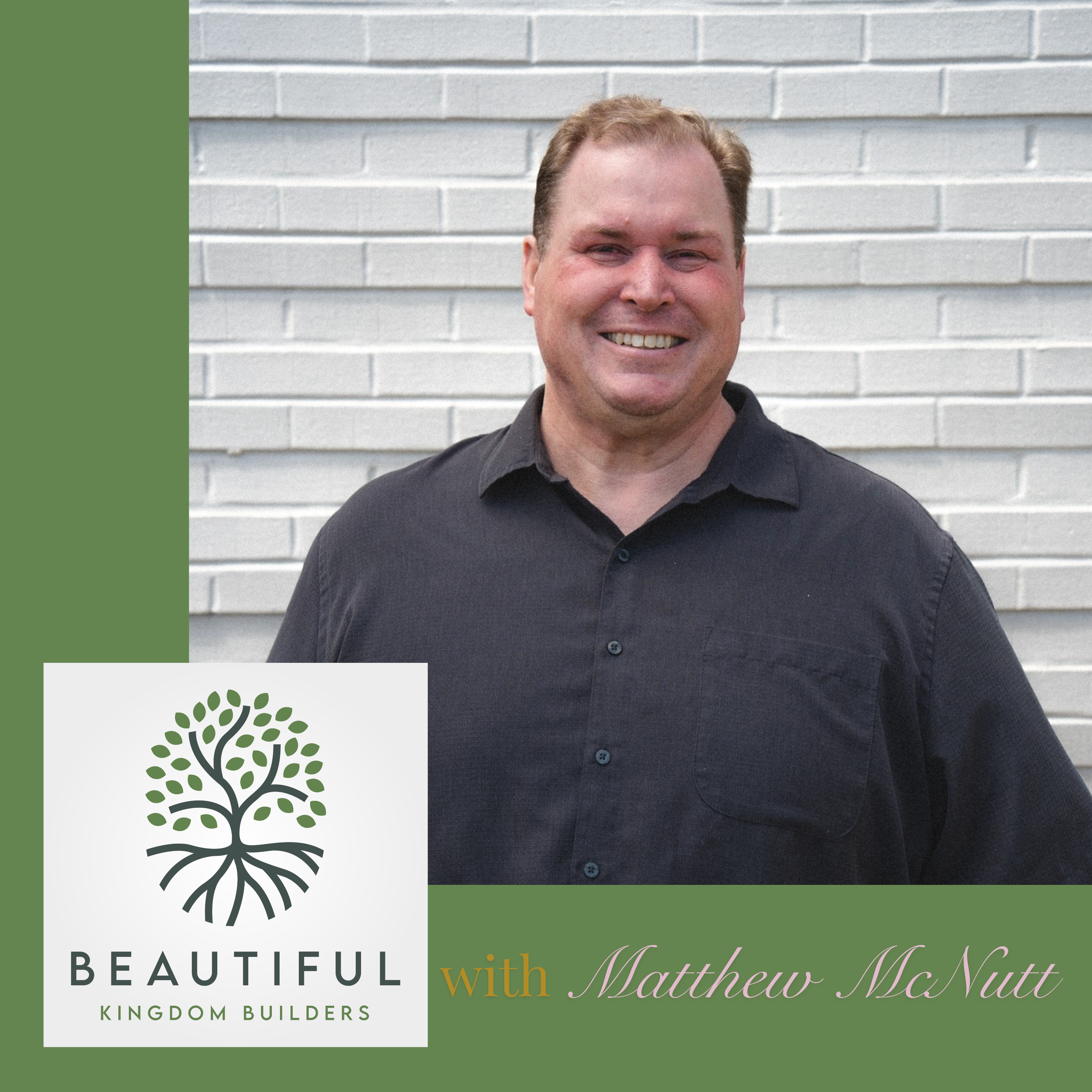
006 I Rev. Dr. Matthew McNutt on Abuse in New Tribes Mission / Ethnos360

In this conversation, Ruth Perry and her brother Matthew McNutt discuss their experiences as missionary kids in Tambo, a boarding school in Bolivia, South America, focusing on the rampant abuse that occurred and the institutional failures to protect vulnerable children. They explore the long-lasting effects of these experiences, the importance of believing victims, and the need for accountability within church and parachurch organizations. The conversation highlights the challenges faced by survivors and the necessity for change in how abuse is addressed in religious contexts.

Visit ⁠matthewmcnutt.com⁠ to find more detailed information about Matthew’s experiences at Tambo in Bolivia, and his work on a recommendations panel during IHART’s investigation into abuses in New Tribes Missions (now Ethnos360). And visit GRACE (Godly Response to Abuse in Christian Environments) at netgrace.org if you need resources regarding abuse prevention and response.

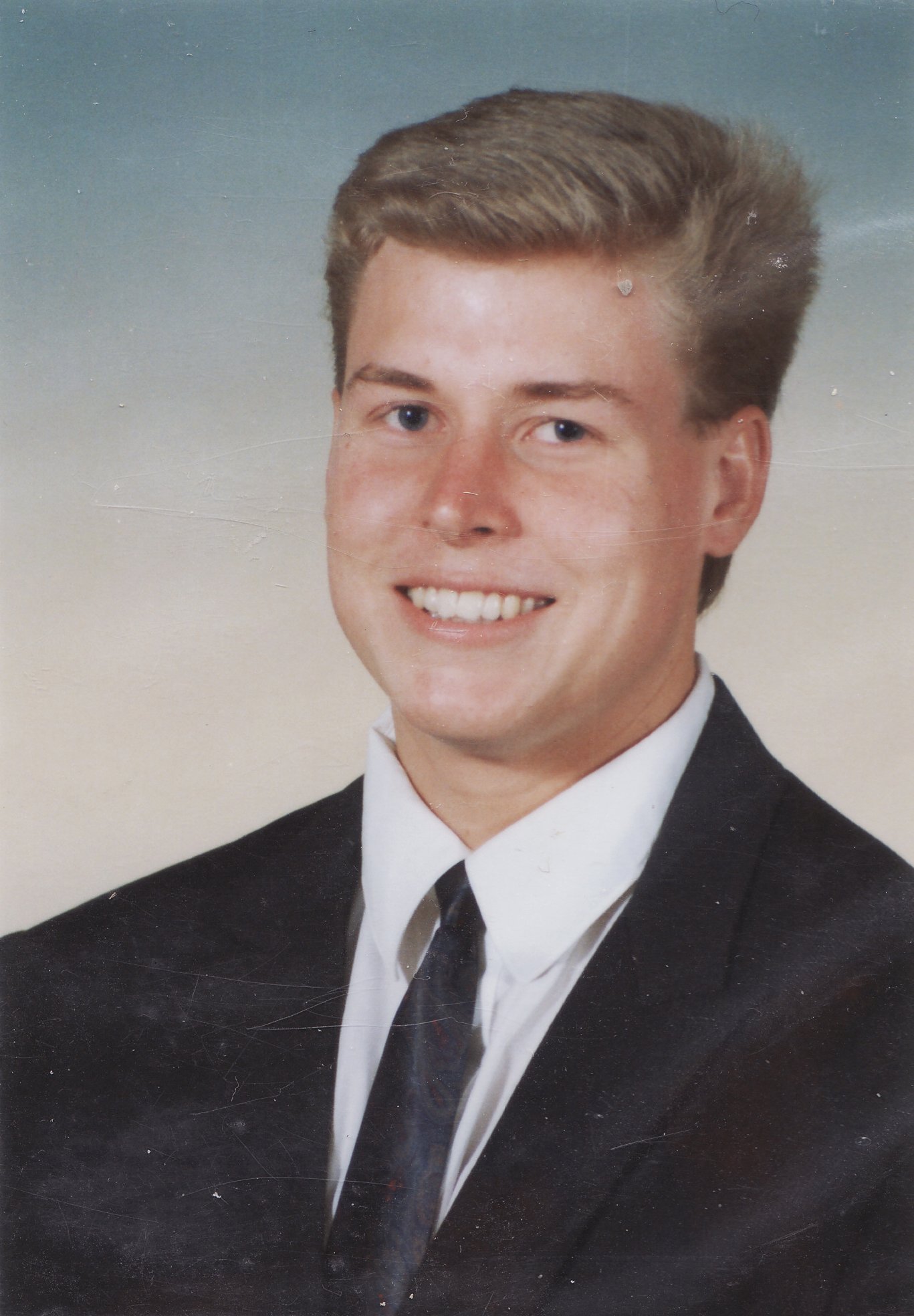
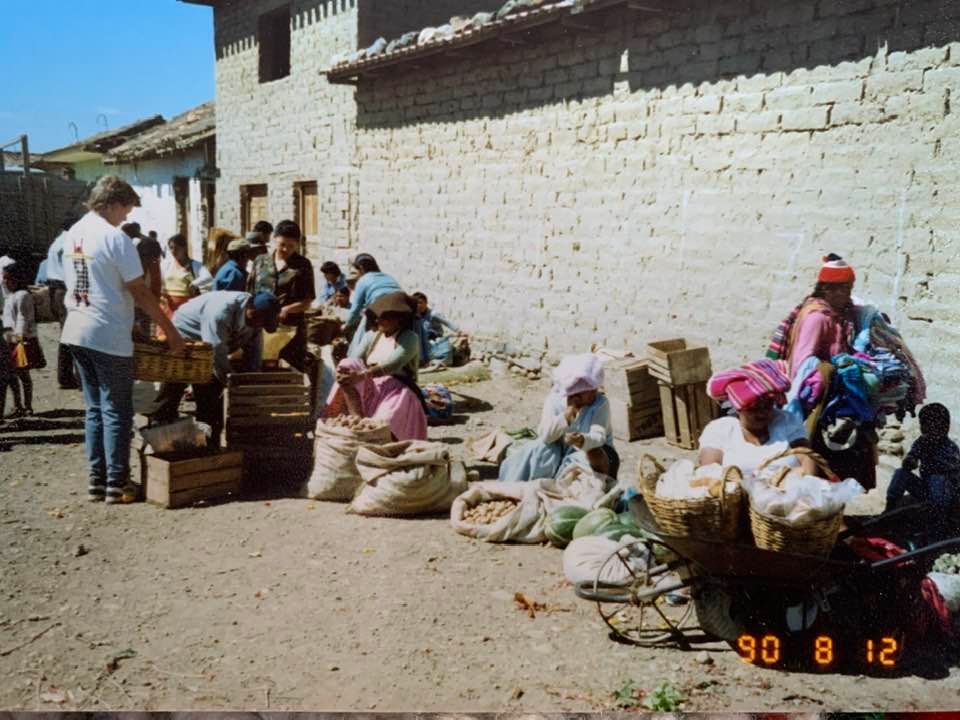
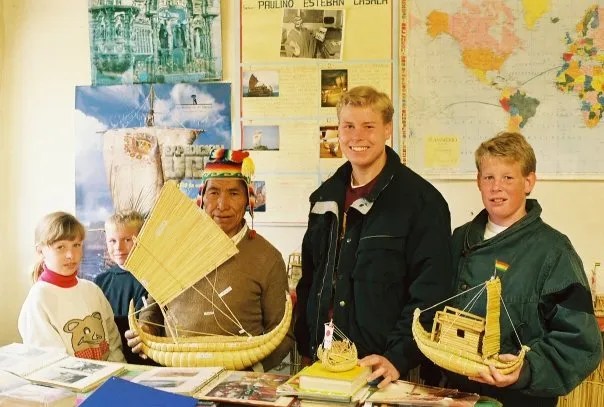
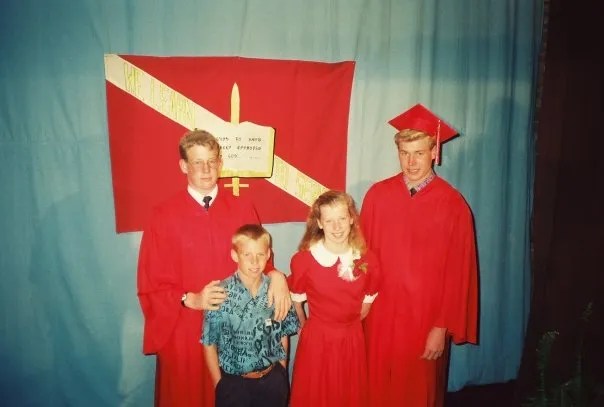
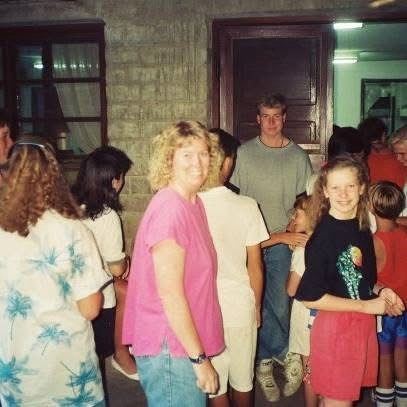
Enjoy these nostalgic pics from our time in Bolivia:

You can watch our episode on YouTube or find it on Spotify, Apple Podcasts, Amazon Music, and more! Please help us spread the word by subscribing, rating, and sharing with a friend.

TRANSCRIPT:

Ruth Perry (00:15)
My guest today is my much older brother, Dr. Matthew McNutt. I’m very pleased to have you today, Matthew.

Matthew McNutt (00:23)
I was pleased to come on until the much older, the, see, ⁓ yeah, good, good cover. That’s, we’ll see.

Ruth Perry (00:26)
much older and wiser, I should say. Yes.

And do you prefer to go by Reverend Doctor or can I call you Matthew?

Matthew McNutt (00:35)
Call me Matthew.

Ruth Perry (00:36)
I invited you on today because one of the things that is on my heart for the church is to care for our most vulnerable members. And we had the opportunity as missionary kids, to see how that can go sideways and all the wrong ways if the safety of children and the vulnerable is not prioritized in an organization. And so our topic today is rather heavy. And I just want to mention that before we dive in, because a lot of people have experienced spiritual, physical, sexual abuse in their lifetime. And so this might be an episode that is challenging for you or that you might not even want to listen to.

Particularly, we’re talking about a missionary boarding school in South America, but I think this was across the world in this organization and other organizations as well, that this was a common problem in these missionary boarding schools, that there was rampant abuse.

So Let’s share our experience. We weren’t always missionary children, but in 1989, our family moved to Bolivia and I was going into fourth grade at the time, but you were going into high school, right?

Matthew McNutt (01:46)
I was going into 10th grade. It was actually the fall of 1990. I guess this being much older and wiser helps me remember it. It helps that I kept a detailed journal too.

Ruth Perry (02:00)
I was thinking I was nine. I was born in 1980, so I was thinking I was 89.

Matthew McNutt (02:04)
89 was my freshman year of high school, 89-90. So 90-91 was the school year that we moved to Bolivia with New Tribes Mission, now known as Ethnos360. But yeah, we moved to Bolivia. Our parents were associate mission staff with New Tribes Mission, which means they were short term. They were going down for a two year commitment. It ended up becoming three years working at the boarding school as third and fourth grade teachers as part of that staff for the first year and half. Then they were transferred to Paraguay for a little over a year before coming back to Bolivia in time for my high school graduation. And then we returned to the US where they jumped into training to go full time with the mission before eventually leaving a year or so later and accepting a call to the church in Maine.

Ruth Perry (02:57)
Yeah, so moving to South America was very exciting. My dad had been an associate pastor at a church in Washington state and had been leading short-term mission trips. And he had been to Bolivia and really was blown away by his experience there. So that’s how we ended up moving to be short-term missionaries there. And so I think our expectations were very high that this was going to be extraordinary.

And it was in many, many ways. It was an extraordinary experience. And I’m really excited that we have that as part of our childhood. I heard Gabor Mate recently talk about how different siblings do not have the same childhood. And one of the ways that that’s true between you and I is that while we were in South America, I always lived with my parents. But the school pressured mom and dad to put you and Danny into the dorms. And so you were living in the dorms at Tambo. The school was very remote. We would get there by bus. I think it took 12 hours from Cochabamba or what was it?

Matthew McNutt (03:55)
Yep, from Cochabamba, six hours from Santa Cruz. The mission, when they had built the school decades before, had intentionally landed it in the middle of nowhere because they did not want missionary kids to have access to movie theaters and the other temptations in the cities, which is wild. As a youth pastor now, I’ve been a youth pastor for 25 years, and it is wild to me that it was more important to have kids hours and hours away from the temptations than it was to have them close to hospitals and emergency care. Like students died at that school over the years, but it was more important to be remote and away from temptation than it was to have access to health services.

Ruth Perry (04:42)
They had a typhoid and a hepatitis outbreak while we were there. And then in the surrounding area, there was a cholera outbreak. And we’re talking about a very short time that we were there, three years.

Matthew McNutt (04:49)
Yeah. Yeah. We called it the HEPA-CHOLEROID OUTBREAK because that was crazy year. That was our first year in South America.

Ruth Perry (04:59)
Yeah. I got an intestinal infection. So while everybody else is getting hepatitis and typhoid, I’m dealing with something totally different, but they kept treating me for hepatitis or typhoid. And so I nearly died our first year there.

Matthew McNutt (05:12)
You mentioned Danny and I were put in the dorms. He was in middle school, I was in high school. If I was in 10th grade, he was in sixth grade. And there was enormous pressure from the established staff that kids should be in the dorms. Which is funny because the guy that put the most pressure on our parents, Al Lotz, did not have his kids in the dorms. They were in his home with him. But, whatever. There was enormous pressure. you were close to death. Dad had hepatitis at the same time. And so the two of you were rushed into the city. Both of you had really severe cases and there was enormous pressure on mom that she could not leave the school to be with you guys because the task was so much more important. And these boarding schools were a way to get the kids away from the parents because the mission task was the most important thing.

Trust God with the kids but what people didn’t really talk about is where they tended to get their best teachers was through the associate program short-term staff who were then unable to really make much change because if they made waves, they were asked to go home early. And if they played nice, they could stay longer. But most of the long-term staff at the school were there because they didn’t fit in well in other places in the mission field. When you talked about we showed up with rose-colored glasses, I was not happy about moving to South America. I was 15. I liked my life. I had a best friend.

I had stuff going on. I was not happy to go. In hindsight, I loved that I spent years of my life living abroad. It really changed my perspective on a of things, but that first year was a really rough transition. But one of the things that was a shock for our parents was finding out the number one reason that most of the missionaries would leave the field at least at that time, was because they didn’t get along with other missionaries. Everybody had the same call, but man, just like there’s a lot of conflict in churches in the US, there’s a lot of conflict on the mission field, and it’s a lot harder when there’s only three families out in a remote base. If you don’t get along, it just gets bad quick. And so…

It’s so hard to find missionaries to begin with. It’s even harder to find missionaries who are able to raise their support and get to the country that once you get missionaries down there, if they don’t fit into what they were called to, man, there’s a desperation. We gotta put them somewhere.

Right? Like we can’t waste these bodies. And so we had dorm parents and teachers with no formal training that did not go to the field for that. I remember one couple wildly racist. They hated Bolivians, but they were missionaries to Bolivia.

Where do you put a missionary couple? Like, well, put them with the missionary kids and make them dorm parents. We had other people that had all sorts of conflict in other places, couldn’t fit in anywhere. Well, then they can be dorm parents. They can be teachers. And it was just a weird mix of dysfunctional career missionaries that couldn’t fit in in other places. Very few of them were at the school because that’s what they went to Bolivia to be missionaries for. Which right away creates a really dangerous groundwork for who’s gonna be working with kids.

On top of that, there’s been a handful of psychologists and counselors out there that specialize in boarding school counseling. A lot of it actually comes out of England because there’s a real boarding school culture there, not Christian but just boarding school in general. And one of the interesting things to me is I was in recent years processing some of what we experienced and what could have happened differently is those counselors would say, it is virtually impossible to have a boarding school without physical and sexual abuse. The schools just in general, secular, Christian, whatever, are going to attract predators because they’re gonna have access to kids with a lot less supervision.

Even if you have every perfect adult, there is going to be student on student abuse, sexual and physical and verbal, because it is impossible to provide the kind of supervision that a child would have at home with their family. Even where we know families don’t have as much communication and supervision as they probably should have. If you stick 15 or 20 high school guys in a home together with one set of parents, even if they are the best dorm parents in the world, there’s no way for them to adequately supervise and protect 15 to 20 high school boys even from each other. And so yeah, our boarding school had tons of abuse.

When we first went down, just in the three years that we were there, there were several missionaries kicked out of the school and off the field for sexual abuse of kids and students. And I remember for years thinking to myself, that must have just been a really weird three years in Tambo’s history. Like just bizarre, like how could that possibly be whatever?

And around 15 years ago, 16 years ago, one of my friends from Tambo who had rejoined the mission was stunned to find out that his abuser, who was not kicked out while we were there. She was still there when we were there as students. I think you had her as a teacher, Susan Major. Yeah, I’ll say names. I mean, even as students, she was no longer allowed to spank kids because she had so viciously beat and left scars on kids for the most minor offenses. So it was known, she was a known abuser. He was stunned to find out that she was still in the mission, that she had just been moved to a boarding school in Mexico.

And so he was like, she should not be in the mission. She needs to be gone. Like this is outrageous that she’s been in the mission at that point for decades and decades abusing kids. And they were like, well, you know, the Bible says you can’t have just one person bring an accusation against the leader. There needs to be two or three witnesses. And, you know, he was kind of stunned because it was already a known thing by the time we had shown up in South America. He was my age at that point, but as a fifth and sixth grade student, he had had her and in the years since she wasn’t allowed to beat kids anymore because it was such a known thing.

And so he started a Facebook group and just grabbed every former missionary kid from our boarding school that he could think of and was just like, hey, I need one or two more people that were abused by her to be willing to come forward or she’s gonna keep abusing kids in this mission. And so some people did come forward. They did finally remove her and fire her from the organization.

But what happened in this Facebook group is it exploded with other MKs going, well, I wasn’t abused by her, but I was abused by so-and-so, or I was abused by so-and-so, or I went to the school 30 years before, and so I have no idea who she is, but I was abused by this other person. And so it just became this chorus of voices.

I’m kind of convinced that social media really forced the mission to attempt to acknowledge abuse that they had been covering up for decades and hiding for decades because victims were finally going, if you’re not gonna talk about it, we’re gonna talk about it. We’re gonna put it out there. We’re gonna reach out to news organizations. If you’re gonna refuse to do anything about this, then we’re gonna sue until you acknowledge what happened and name these abusers. And so out of that came some responses by New Tribes Mission.

When he started this Facebook group of Bolivian missionary kids, this was after New Tribes had already contracted with GRACE, organization at the time. He was part of, think he’s retired from it since then. But they had contracted with them to investigate one of their other schools already. So it wasn’t a completely new idea that there could be an investigation that something could happen. But again, that was an investigation that happened because abused missionary kids who had become adults. Studies show most people, isn’t until their 30s or 40s that they really become willing to talk about their childhood abuse and start naming names.

A lot of it has to do with about the time you have kids, the age of when you were abused is when you start to go, wait a minute. I know for me, looking at my oldest son when he turned 15, about a decade ago, was a moment for me that I was like, yeah, no, this is outrageous. The way I was being treated, the abuse that was happening, the things that happened to me that were said to me. And I’m just like, I would never be okay with a fraction of that happening to one of my sons. Like they are children. So it’s just kind of your own memory kind of why it wasn’t as bad to me or it wasn’t.

But yeah, it was the same kind of thing. Missionary kids from this other country one of them had started a website where people could leave comments and leave stories and they had put pressure until New Tribes finally hired Grace to put together a response.

Ruth Perry (14:45)
Well, I’m thinking back about just how widespread corporal punishment, like as one type of abuse, the physical abuse there was widespread because I even had the first year we were there, I had my parents as my teachers in the third and fourth grade classroom. So overall, besides almost dying from an intestinal infection, the first year was pretty positive. And one big striking difference to the positivity of it, though, is that next door to us, was a first and second grade classroom. And in between our classrooms, there was a little closet with access from both classrooms. And so the first and second grade teacher would bring in the little kids and beat them So we could all hear the little six and seven year olds who are separated and so isolated from their parents being regularly beaten by their teacher.

And then I had Sue Majors in fifth grade. Danny had her his first year when he was in sixth grade and she was a very unstable person having meltdowns in the classroom where she would just start screaming at everybody and then we all had to comfort her and tell her that it was fine. Once they stopped letting her personally beat the children, she would just send them off to Al Lotz who would do it happily for her.

Matthew McNutt (15:52)
Yeah, he was the director of the school and what was supposed to be the solution to her beating kids, was send them to him and then he would evaluate whether or not a spanking was actually justified. Like for reference, one of times Danny and some of his classmates were sent to get a beating because they were taking a test and they were supposed to keep their pencil on the paper the entire time. And he and a couple of the other kids had accidentally lifted the lead off the paper to go to the next question and so they got sent for being defiant and disobedient and to Al. Now any reasonable person would have heard that and been like yeah no this is this is not justify a beating.

The problem was Al Lotz he was my dorm parent my first year student. When I was put in his dorm, just a bully, you know, when they finally did the investigation, he was the person I named for physically abusing me and spiritually and emotionally abusing me and New Tribes said, yeah, no, he did. They sent me a letter saying, you know, agreeing and when I named him on my blog, a bunch of other students reached out to me and said, yeah, he was their abuser too. But he bragged to us. I remember being shocked as a 15 year old sitting down in our first dorm meeting. It was me and 17, 18 other high school guys. So like we’re ninth through 12th grade. I think the last time I had had a spanking, cause we had parents that spanked us. I think by the time I was 10, that was over. I got other disciplinary measures, but I remember sitting there going, I’m 15, this is over at this point.

And he told us all, I believe in spanking. I don’t think any of you are too old. and I do not believe in four or five sissy swats. He pulled out, he had a wooden paddle. It was a big wooden board. And he said, I believe in a minimum of 15 to 20 full force, everything I’ve got, swats. Which our dad, when he found out about that reported that to the executive committee in Bolivia and and they acted shocked and horrified that that was an excessive amount He didn’t believe in spanking on the butt because he was like there’s too much padding it’s got to be on the back of your legs where it’s gonna actually hurt and so guys would compare Who was more black and blue from the back of their knees to their butt. Just from these minimum of 15 to 20 swats, full force, and that was gonna be the punishment for pulling a pencil off of a piece of paper in class. It was just wildly disproportionate.

Our dad reported that and the executive committee acted horrified. They told Al, hey, the maximum you can do is five swats. Five swats is reasonable, whatever. But they didn’t notify parents. They didn’t tell any kids. Nobody was told, hey, here’s the new rule. So that happened my 10th grade year. My junior year, he beat two of the high school guys. That same excessive number of swats, he was still swatting middle school kids, that number of swats, because nobody had been told otherwise. And there was no enforcement. And at that point, our parents had been transferred to Paraguay because they had already been labeled as troublemakers for going and reporting this abuse.

Ruth Perry (19:16)
They were also replacing a missionary who had been molesting the Native children.

Matthew McNutt (19:20)
Yeah, who was molesting native kids in Paraguay. The other thing my dad had done that had labeled him a troublemaker is that first year, Rich Hine the director of the school, who would just beat kids and came out over the Christmas break that he had molested a kid. Originally, Al Lotz’s decision was he can stay, he just can’t be the director anymore, he can’t be a dorm parent anymore. You know, he’s found out molesting a little boy and the answer was, well, let’s move him into a house at the edge of the property by himself and let him stay on as a teacher and a staff member, but he can’t be the director anymore.

And they didn’t notify any of the other staff what it was he had done. They didn’t notify parents. They didn’t notify kids. It eventually got out because the executive committee in Bolivia did find out what he had done. And while they agreed with not notifying parents or kids to see if there were other victims, they did talk to all of their own kids that went to the school to make sure none of them had been abused. Those kids came back, told their friends, who told their parents, some of whom were staff. So it eventually got out.

When it got back to the US, the headquarters, they gave him 24 hours to get off the property and one week to be out of the country. He was sent back to England, because he was a missionary from England. But once he was there, they didn’t notify his church, they didn’t notify anybody there, they didn’t notify authorities, They just fired him from the mission and turned him loose. And I know that because I went to the New Tribes Bible School in England and I inadvertently started attending his home church three years after he was kicked off the field. And the pastor who had been the pastor at the church for 12 years at that point. So he was Rich Hine’s sending church and sending pastor was like, wait a minute, you came from Bolivia? And I was like, yeah.

And he’s like, do you know Rich Hine? And I’m like. Yeah, He was like, you wanna see him? I can, you know, get you guys connected. And I was like, no, no, I I don’t really know. and then the pastor goes, you know, it’s really strange. said he came back about two, three years ago from Bolivia and it’s like nobody at the mission wants anything to do with them.

Because the mission the British headquarters were there in that town and he was like they just he’s just kind of here in the community He doesn’t hardly come to church anymore He’s like I’ve never really known why and I remembered thinking

It’s like, is not my job. Like, this is not, I should not have to be the one to, and I regret now, I didn’t tell the pastor what he had done. In hindsight, I wish 19 year old me had had the courage to tell this pastor exactly what had happened. But I didn’t and at that point, you know, we had been in South America for three years. Our parents had been in the training for a year.

Now I was in the Bible school, so at this point I had been connected to the mission for about five years, and it was really ingrained. We were not allowed to talk about Rich Hine. They literally told us that when they told the kids, hey, he had a sin issue, they weren’t gonna tell us what, but he confessed it, we forgave him, it’s all good, and you are not allowed to talk about it ever again, literally. And so, yeah, five years later, I was like, I’m not allowed to talk about this.

Ruth Perry (22:41)
He also had on his way out that day, he came into the lunch room where the entire school was eating lunch and took the microphone and cried and made himself out to be a victim. so.

Matthew McNutt (22:53)
Al Lotz, yeah, Al Lotz gave him the mic and told him he could say goodbye and he was sobbing and he was like, I don’t understand why this is happening. I was told it was okay. And so, I mean, there is a certain reality. They did a disservice to him by minimizing what he had done by telling him it was okay. So it was a shock to his system. I have no sympathy for him whatsoever, right? I have no, you know, he was an abuser that was judged by other abusers. So of course what he had done did not seem like a big deal to them. yeah, he went on, all these kids in the room are crying, like, oh, the executive committee in Florida is so mean, why would they do this? He couldn’t have ever done anything to deserve this.

And meanwhile, the victim, that had had the courage to tell their parents what had happened, right? The vast majority of victims don’t speak up ever. A very small percentage do. So this victim has the courage to speak up, to say what had happened, to tell their parents. The parents actually say something, the guy gets kicked out and so now this victim is sitting in this room while all of their peers are crying and going like, this is awful. Why are they doing this to him? How could this happen? Poor Mr. Hine. You know, I remember 15 years ago when I met with the investigators telling that story, that’s the part of the report that I broke down talking about because it was just so abhorrent to me to think that there was a middle school child in that room watching everyone feel sorry for Rich Hine because this kid had done the right thing and told and got help. Right? And then people wonder why victims don’t want to come forward because they don’t get protected. They don’t get looked out for.

And New Tribe’s entire response has been to cover up and hide what is done, to drag their feet at naming anyone, to not want to tell people what happened or why.

Ruth Perry (25:10)
What would have been the appropriate response from the executive committee in Florida to the news that they had a pedophile working at a school with a bunch of vulnerable children? Like, tell me step by step what you think they ought to have done and where they failed.

Matthew McNutt (25:27)
Well, they failed on every level. They still continue to fail. In the example of Rich Hine, the moment they knew what he had done, especially since he admitted to it, right? When he was confronted, he admitted that he had done that. The reality is they should have assumed that the odds of his one and only victim coming forward are ridiculously small. There’s no way he didn’t have other.

Especially as a as dorm, like he just had access and he had authority I don’t know this for a fact, but when I named him on my blog, others have reached out to me and told me that he was transferred to Bolivia from Paraguay because he had abused kids in Paraguay and there had been issues there. And this was kind of his second chance.

If that wasn’t part of the story, if all they knew was this one kid, the moment they’ve known that, he should have been immediately fired. I think he should have been reported to Bolivian authorities because he molested a kid in Bolivia. They should have reported him to US authorities, because this was an American citizen. They should have reported him to British authorities because he was a British citizen. His supporting churches should have been notified, hey, he is being removed and this is why.

Now, I was told when I told the mission years ago, you need to notify, well, that opens you up to lawsuits and liability and all that and I was like, well, first off, if somebody is gonna sue because you say this, well then you simply get to pull out, I was like, what lunatic is gonna sue over this because then you get to bring out the evidence to prove why you’ve made this accusation, right? You get to defend yourself and then it becomes public record. But furthermore, sometimes you just need to do the right thing and maybe that comes with risk, but it would be better if they got sued by a couple abusers than all of the victims that have been suing them to try and get them to name names.

The first thing they should have done is notified every single parent that had a kid at the school the entire time Rich Hines was at that school. So that they could have conversations with their kids to be like, hey, did this ever happen to you? Do you know that this happened to anyone? They should have notified the entire student body, right?

Instead of telling us, he did something, he apologized, everyone forgave him. It’s okay, Nobody’s allowed to talk about this ever again, right? Well, now they’ve closed the door on conversations. Talking about Rich Hine is now something that can get you in trouble. They should have had a conversation, age appropriate, right? Because it was a kindergarten through 12th grade school, but they should have had conversations on every level of, hey, this is horrific this happened. And I know some of you are gonna find this very hard to believe because the reality, abusers are so good at creating a great reputation so that when accusations come out, other people find it impossible to believe.

But they should have had conversations across the board and just been like, man, if any of you know of something, have heard something, have experienced something, had something inappropriate or uncomfortable or that you’re not even sure about. Please come tell us, right? To find out the fullness of the story. I mean, this is why, you know, a few years ago, Ethnos360 finally decided to release the names of sexual offenders who were still alive because they said you know, hey, they could still be out there sexually assaulting kids. what was explained to me is we don’t need to do the physical abuse ones because most of those were beatings and they probably can’t beat kids anymore anyways because of laws and whatever. So that isn’t probably happening anymore. Like in their rationale, they only needed to name names of things they thought might still be happening to protect against that happening again. And then they release the names on a buried site, part of their website that you can’t find, it’s in a PDF, you can’t Google.

But again, that’s lacking the concern for other victims out there, right? Because the most empowering thing to a victim is to know that, if there are other victims of Rich Hine out there, having him named, gives them the courage to go, I’m not crazy. I’m not misreading the situation. I didn’t cause this to happen in some way. It wasn’t me leading him into temptation, that it wasn’t on them, it was on him and having other stories released gives validity to them and gives them the courage and strength to come forward and say, hey, actually, this happened to me. They feel like, I might get believed more, but instead, by refusing to name dead perpetrator, honestly, it helps keep the list really small of who did what.

When you give such a tightly controlled, we will only name people that are alive and that sexually assaulted kids. It keeps the list small. And I think New Tribes they don’t want to admit that in their mission organization of thousands of people, there are dozens, if not hundreds of abusers that they know about. And, you know, one of the things that was pushed back on is, well, you have to keep in mind the culture at the time. The culture at the time would have reacted differently.

No, because the culture at the time, was horrified to find out Al Lotz was beating kids more than five swats. People were already being arrested for this kind of stuff. They were already reporting things in practice in the US. So it was very much culturally understood. This is unacceptable. There is a response protocol that should be happening.

Ruth Perry (31:04)
They’ve shown through working with victims that not being believed or having their experience minimized is re-traumatizing, almost to the same or sometimes more traumatic for victims than the initial abuse because it’s so hard to just say this happened to me. And then that’s a critical time where you need to number one, I think the church needs to be educated about abuse. We need to grow our empathy, not be afraid of empathy as many seem to be nowadays, where we can weep with those who weep and hold the pain and sit with the pain of others and witness it.

And so what is your advice to people, how should we respond if someone discloses abuse to us?

Matthew McNutt (31:50)
I think we should believe victims, right? Because the response is always, hey, what if they’re lying? What if they’re making it up? When they’ve done the studies, it’s something like over 90 % of the stories that come out are true, right? So if you err on the side of believing victims, statistically speaking, you’re probably, you’re believing the right thing.

You’re taking the right side. There is absolutely a lot of truth to coming out with the abuse and not being believed or the response being poor is very traumatizing. I was 15 when we moved to South America.

Al Lotz physically abused me. I didn’t even get one of the beatings. I think he was too afraid of Dad to ever actually beat me because I think he knew Dad was one of the few guys that would have come beat him up.

There were things I saw, there were things I heard, there were things I saw happen to my friends. Early on in my 20s, I started talking to counselors. I’ve done that off and on over the years. by the time in my 30s, when this conversation really started happening, I was a lot more comfortable talking than a lot of missionary kids were.

And so when New Tribes announced, at the time New Tribes, now Ethnos360, they said they were severing their relationship with GRACE because they didn’t like that Boz when they commissioned them to do this report, he released the report publicly, naming names of abusers. At the same time, he gave the report back to New Tribes, and New Tribes was absolutely caught off guard by that. They were furious that they could not control or filter or have a say in what the report would say.

And so they severed ties with GRACE, and what they announced was that they had contracted with IHART, I-H-A-R-T, an outside investigative service that was led by Pat Hendricks. And they wanted people to come forward with their abuse stories from all of the different boarding schools to reach out to Pat. And so I did. And I was a loud advocate to other missionary kids that, know, hey, we gotta talk to these people. Like, this is the opportunity.

New Tribes is finally listening. They’re going to do the right thing here. They’re going to investigate. And I legitimately thought there is a lot to win for New Tribes in addressing this because it was stuff from decades before. By the time they were launching this investigation, they largely didn’t have boarding schools anymore.

Most missionaries were homeschooling. The stuff that had happened in the past, there were enough people that quietly knew about it that they just weren’t, you know, they had better protection things in place. The people in leadership of the mission were not the ones that had covered up and hidden things decades before. And so I legitimately went into it going like, they’re gonna do the right thing. They can own this. It’s gonna be an awful chapter of their history, but they can name these abusers and make things right. And I advocated hard for people to talk. I was the first missionary kid from Tambo that the investigative team interviewed.

They sent four interviewers. Usually they did it in pairs. They would send two investigators of the same gender of the victim to talk to them. They sent four to me. They asked if that was okay because they were like, you seem like you’re comfortable talking about stuff. Would you be willing to talk to more of us just so we can learn more about the school in general before we talk to people that are gonna have a hard time? I was like, yes, let’s do it. And so they flew in, they met with me in my office here.

They said, you know, where are you gonna feel the most comfortable? was like, my office feels comfortable. And so we had a conversation for just hours and hours. And it was really good. And Pat had hired a lot of retired abuse investigators, law enforcement investigators, and put together this team. And so then over the next couple years, they were interviewing more and more missionary kids. I was telling people, you got to do this. It felt so empowering to me to finally be heard and listened to. I was like, this is such a good thing.

And then I was recruited to be on the first recommendations panel that Pat Hendricks formed for the first report that IHART was going to issue. And I was part of a team of six or seven, eight people that we were all recruited because of different backgrounds. There were a couple counselors, there were some missionary kids, there were missionaries, former missionaries. They wanted pastoral presence. And so part of what they liked about having me on this panel was that I checked off multiple boxes. I’m a youth pastor, so I’m a professional youth worker. I was a missionary kid. I’m a pastor. And so I served on this panel. We met up in St. Louis. And I had gotten hundreds of pages of witness statements and reports ahead of time to read through just sickening stuff that had happened in this mission field. And to children and just horrifying things.

And so we met and we talked about it. And we looked at these reports and came back with recommendations that really caught New Tribes Mission off guard. Because we found a lot of leadership in the country, culpable. We also found a lot of leadership in the Florida headquarters culpable which is one of the things that had shocked them when Boz had done his report that he found leadership in Florida headquarters culpable for abuse that happened because they had covered it up. There’s just document trails showing they knew stuff and they were aware of it and didn’t respond and We made a series of recommendations and I came away from it,

It was painful. It was hard. It was emotionally draining. It was horrifying. Part of why I’d been on that panel is I had no connection to that boarding school or that country. So it wasn’t people I knew, but it was certainly similar to stories I had seen in Bolivia. And at one point I even asked Pat Hendricks because that report I felt like it was a small number of abusers named. And I said to Pat Hendricks, and to the investigators, did not many people come forward from this country?

Or was it just, I was like, as horrifying as this to say, did they just not have that many abusers there? And she goes, well, what do you mean? And I was like, well, I could name off this many abusers from just my three years at Tambo. And that school had existed for decades and decades. Tambo was the first boarding school that New Tribes had started. And she said, no, Tambo is just way worse.

And said, what do you mean? And she Tambo had the most out of all the boarding schools. So much so that at that point she wasn’t sure how she was going to handle doing a report. Did she break it up into multiple recommendations panels and multiple reports to try and deal with all of it adequately because it would be too overwhelming to have one team.

And as shocking as that was, was a part of me that was like, that makes sense because there were so many just in our three-year window there. And so I came away from that hopeful New Tribes had heard all these things and then the report was issued and it was so sanitized what it was that New Tribes released. They released a document that was supposedly the recommendations that our panel had come up with. They wrote up a completely different set of recommendations. They were completely inadequate. Victims were rightfully outraged at this anonymous recommendations panel because they were like, how could they hear the stories and come up with the, well, they weren’t our recommendations. They released a set that was supposedly from us. They were not. I still have our recommendations, right?

And then, I was invited by Pat Hendricks to be a part of a second recommendations panel for a second country. And as we were getting ready to do that, New Tribes lawyer, Teresa Sidbotham got more and more involved. She started being on these calls and telling us what we could and couldn’t do and what we could and couldn’t read. And it was really confusing to me. And I was like, I don’t understand why is there a lawyer on this call? Is this lawyer acting on the behalf of the victims? Is this lawyer acting on behalf of the mission? Because it feels like they’re acting on behalf of the mission. And around that time, New Tribes fired Pat Hendricks from IHART. And I remember going like, how in the world is this mission able to fire the president or the leader of an outside investigative service?

Well, that’s when we found out that IHART was not an outside organization. It was a process started and owned by New Tribes Mission. And they fired Pat. They got rid of her investigators. They hired other teams. They put Teresa in charge of it. She sprinted through the reports, released, again, this second panel that I was a part of what was released did not reflect what we had read or said. And what was released about Bolivia was a joke.

And once they released it all, they rushed it all out. And then they changed the name of the mission organization. Right? So all of the reports were issued in the name of New Tribes Mission, about New Tribes Mission. And then the mission became Ethnos360. And they said it was because they were renaming to reflect to how they had changed over the decades and the mission and reaching the world and changing language. But it really felt like the timing was, oh, you sprinted out all these reports, said you were done, and then changed the mission’s name.

As to your question, I felt tremendously victimized by the betrayal I felt from the leadership, misrepresenting our words as a panel, you know, that I had trusted them when they said they had hired this outside organization only to find out, no, it was their organization and they could fire and screen and filter and change the words however they wanted. That was far more infuriating to me, far more damaging, far more hurtful than what happened, you know, when I was a teenager.

And I think what it is, is there is a part of me that understands, man, Al Lotz is a physical abuser. He enjoys beating kids and he beat a lot of kids. And he wrestled and he said inappropriate things and he did inappropriate things with kids. And there is a part of me that gets like as horrible as that is.

It makes sense that he helped cover up for Rich Hine because they were friends and they were both abusers. And if you’re an abuser, you don’t think another person’s abuse is that bad, right? What is far more horrifying to me in some ways, because again, some of what other people suffered is far more traumatic than what I suffered.

I felt like I betrayed other missionary kids by advocating for them to go through this process. I felt like I set other people up to get hurt by telling them that they could go and share these stories and New Tribes was going to actually do the right thing. It’s crazy to me that, 15 years later. They are still burying names.

dozens, hundreds of names of sexual and physical and spiritual abusers that are still just out there, able to get jobs at schools, to live, you know, Bob Fisher was a sexual predator of kids that they did not name until a couple years ago. It was shortly before his death. They wouldn’t name him now because he’s dead.

He was living across the street from a middle school at one point, if he had ever been named, if he had ever been appropriately investigated at the time, there would have been things put in place to protect him from having this kind of access to kids going forward, but they didn’t. And so for me,

You know, where 15 years ago, I had all this hope and felt like, the leadership of Ethnos360 has an opportunity here to do the right thing, to cause healing, to look out for the least of these countless children that were beaten, that were molested, that were raped, that were they were told they were liars, were told they were going to hell, that they were going to send other people to hell if they said anything. For years I was the one that felt shame and embarrassment and I felt like I couldn’t say anything. Al Lotz should be the one that feels ashamed and embarrassed and afraid.

But because they never said anything, he’s the vice president of another mission that specifically does children and youth ministry. That’s outrageous. They had an opportunity to speak up for all these children that were entrusted in their care, they didn’t. And so that’s why there’s a part of me now that goes, the leadership of Ethnos360 is culpable for the silence, for enabling. I am not one of those victims that feels like burn it all down. It all needs to go away. I think the majority of missionaries with Ethnos360 are probably great people. Great hearts, I’m friends with some of them. I know they care deeply about the Great Commission and about reaching the lost. But man, the leadership? Disqualified, for covering up for being unwilling to name the abuse to take responsibility for it out of fear of getting sued. They got sued anyways. But a lot of those victims that sued would not have sued if that wasn’t what it took to get their abusers named.

To go back to your question, Christians need to believe victims. And this is real. The Bible does call us to forgive. There needs to be a path for forgiveness, restoration, but the Bible also tells us to not be like a dog returning to its vomit and to be as wise as serpents, innocent as doves. Like we need to forgive, but we also need to take steps and do the right thing. And what seems to be happening in the culture at large is that the church, that Christianity, that these missions organizations are the least likely to name and expose abusers, that they’re far more interested in protecting the organization than they are in protecting and advocating for victims.

And what they actually end up doing in that case is advocating for and protecting abusers. Not naming Rich Hine is advocating for Rich Hine. Right? It’s not advocating for his victims. It’s advocating for his reputation and advocating for the people that will feel uncomfortable knowing that the person they supported or liked did this. It’s wanting to protect the reputation that missionaries are up on a pedestal. A lot of missionaries are really great, kind people with incredible hearts for God.

Ruth Perry (46:13)
Yeah.

Matthew McNutt (46:35)
But just like every organization out there, just like every church out there that has dysfunctional people as well or leaders in sin, there are missionaries in sin that need to be named, that need to be brought to light. Because, hey, like you cannot have an organization with thousands of missionaries and 100 % of them are gonna be sinless, perfect. Like, no, we’re all fallen people.

And it says a lot more about us, how we respond. Years ago, a friend of ours, a mutual friend of ours actually, was gonna be checking out our church and it was right after one of our pastors, something had come to light.

And it was a really ugly situation and we were going to be addressing it to the church. And I said to my Hey, I got to be honest. This is going to be a really uncomfortable Sunday. I don’t know if this is the one that you want to come check out our church with. Right. And his response was so true because he said, actually, I think I can learn a lot more about your church in seeing how it handles this. And I mean, that was coming from a guy who had worked in ministry where some bad stuff had gone down.

I think some people rationalize defending abusers as, we need to minister to them, and yes, there are steps there, but there’s also things that need to happen if you’re choosing the perpetrator over the victim, which tends to be more comfortable for everyone, right? Because then we get to all pat ourselves on the back of, look, like he did this horrible thing and we are helping him become a good person again. Like we are loving him so well and we’re embracing him and we’re showing the love of Christ. And meanwhile, we’ve chased the victim off and we’ve communicated to any other victims out there, hey, this is not a safe place.

That was a long winded way of saying, yeah, I felt more betrayed by New Tribes and Ethnos360 in the response than I did in what happened 35 years ago.

And, I think that continues to be a black stain on that ministry and a black stain on their leadership that needs to be acknowledged fully and, and finished. And that’s why there are still victims hurt and upset and posting things online and trying to bring awareness. I should not have felt like I needed to be the one to write a blog post about Al Lotz.

New Tribes should have taken care of that. I should not have been the one that felt like I needed to write a post about Rich Hine. That story should have already been told.

Ruth Perry (48:59)
And I think that what we’ve talked about today is just one case study of many, many organizations. And it’s kind of drilled into us as Christians that we need to make our church seem, we don’t want to make it look bad to people. So we need to just always put the most beautiful picture forward about who we are. And then also attending church, we get that same message of like, you need to put the most beautiful picture of who you are attending church. And so I think the people who get burned and hurt, they don’t feel safe, because they know that everybody’s wearing a mask. And that’s not a safe environment. The truth is what feels safe to people who’ve experienced this kind of abuse.

Matthew McNutt (49:41)
Yeah,

Ruth Perry (49:42)
We’ve covered a lot, Matthew. I’m sorry for what you experienced at Tambo and what you experienced again through the process of trying to bring accountability. None of that was your responsibility. I mean, it just is heartbreaking what’s happened to you and to others. And I just pray that if anyone is listening who has experienced abuse in a Christian environment, I pray for your healing and for your comfort and your peace. And I pray for accountability and justice for you. The GRACE organization, it stands for Godly Response to Abuse in Christian Environments. That’s a great resource to reach out to if you need accountability.

Matthew McNutt (50:18)
Their model, yeah, and their model for handling these kinds of things is probably one of the strongest out there. The Bible talks about how we can use our suffering to be an encouragement to others. And so part of why I have wanted to advocate over the years is I feel like I have had a unique combination of experience and understanding as paired with my vocation as a youth pastor, the training that comes with that, my masters in pastoral counseling. It’s given me some access points to process and talk and be a voice that I want to be for redemption in this area and for transparency and on behalf of victims. But man, we’re not anywhere near where we need to be yet.

And you my specific context or our specific experience in connection to history with New Tribes, now Ethnos360, just paints a picture, I’m still deeply disappointed. Their response is not yet where it needs to be. And I’ve blogged about that. You my blog is MatthewMcNutt.com All you have to do is search New Tribes or Ethnos360 on there and you will find my posts where I’ve documented some of that stuff a lot more thoroughly than what I can say in a podcast format.

Ruth Perry (51:37)
Yeah, check that out, matthewmcnutt.com And thanks for being on The Beautiful Kingdom Builders podcast with me, Matthew. Do you want to add the last word here before we sign off?

Matthew McNutt (51:44)
Yeah! I mean, that would be a first. Sorry, I went so long without any sibling rivalry. No, I’m excited you’re doing this. I’m excited to be a part of it. I’ve enjoyed watching, I think over the years, this has become an unexpected platform for you. I think it’s been interesting. There were a lot of years where we were separately
processing and navigating a lot of different theological things and coming out of some really conservative and fundamentalist backgrounds that in recent years we were kind of surprised to find that we’ve both ended up on a lot of similar pages theologically but separately.

Like just kind of navigating there through our different experiences and stories. And it is funny that you can grow up in the same house, but have very different experiences there too. And very different experiences in the church and on the mission field and in school and all of that. And so, yeah, I’m excited. I’ve been loving listening to the other episodes that have come out so far and can’t wait to hear who else you’re going to be talking to in the future.

Ruth Perry (52:59)
Thanks for your support, Matthew, I love you.

Matthew McNutt (53:02)
Love you too. Bye.

Ruth Perry (53:03)
All right, bye.


Thanks for visiting The Beautiful Kingdom Builders! We’re excited about our new podcast and hope to bring light to the darkness through these conversations about gender, abuse, justice and healing in the Christian Faith. Follow along here (you can subscribe by email on the right-hand menu under our page description) or on your favorite podcast platform and social media: YouTube, Spotify, Apple Podcasts, Amazon Music, Facebook, Instagram, Threads, Bluesky, Pinterest, and TikTok!

Resource list: Abuse advocates and experts

Over the past few years with #churchtoo disclosures and allegations, as well as the tidal wave of prominent pastors’ “deeds of darkness” being exposed, it is clear that the evangelical church has an abuse problem. Perhaps even more tragically, when we respond poorly to abuse, we exacerbate the pain and trauma of the victims and enable the perpetrators, endangering others and harming the witness of the church. It is imperative that we learn how to respond in a way that ministers to victims, holds perpetrators accountable, and creates a safe, healthy environment for our faith communities.

I wanted to make this post as a resource for pastors, lay leaders, and abuse survivors to facilitate abuse education. For each of us, it is not a matter of if we will face abuse in our own community, but when. So I asked The Beautiful Kingdom Warrior Facebook community to help me compile a list of abuse advocates in this comment thread. Below, I have fleshed out our list with links to the advocates’ websites, books, and social media so that you can easily follow them and begin to learn more about the prevalence and dynamics of abuse. Be sure to pass this post along.

To begin, here is a link to a short article I wrote on the dynamics of abuse for my denomination’s digital magazine, and here are some useful images for familiarization with the dynamics of abuse:

Abuse Advocates and Experts (in alphabetical order):

*book links are to my Amazon Affiliate store: thebeautif017-20

Dr. Dan Allender – The Allender Center

Bio: Prominent Christian therapist, author, professor, and speaker focusing on sexual abuse and trauma recovery
Website: www.theallendercenter.org
Book: The Wounded Heart: Hope for Adult Victims of Childhood Sexual Abuse
Social media: Facebook, Instagram, Twitter, YouTube, Vimeo

Shahida Arabi – Self-Care Haven

Bio: Columbia U grad who studied bullying; best-selling author specializing in narcissism and self-care
Website: shahidaarabi.com, Self-Care Haven blog
Books: Becoming the Narcissist’s Nightmare; POWER: Surviving and Thriving after Narcissistic Abuse
Social Media: Facebook, Instagram, Twitter

Lundy Bancroft

Bio: 25 years experience in the fields of abuse, trauma and recovery; counseling, workshops and public speaking
Website: lundybancroft.com
Books: Why Does He Do That? Inside the Minds of Angry and Controlling Men; Should I Stay or Should I Go?
Social media: Facebook

Laura Barringer

Bio: Educator, Advocate and Co-Author of A Church Called Tov
Website: linktr.ee/laurabarringer
Book: A Church Called Tov: Forming a Goodness Culture That Resists Abuses of Power and Promotes Healing
Social media: Instagram, Twitter

Andrew J. Bauman

Bio: Christian Author, Therapist, & Abuse Advocate. Helping men become sexually healthy.
Website: andrewjbauman.com
Books: The Sexually Healthy Man, The Psychology of Porn, Stumbling Toward Wholeness
Social media: Facebook, Instagram, Twitter, YouTube, Podcast

Gretchen Baskerville – Life Saving Divorce

Bio: Christian Divorce Recovery Minister, Author and Abuse Advocate
Website: lifesavingdivorce.com
Book: The Life Saving Divorce: Hope for People Leaving Destructive Relationships
Social media: Facebook, Twitter, Vimeo

Nichole Braddock Bromley – One Voice

Bio: Author, International Speaker, Sexual Abuse Survivor, and Activist
Website: iamonevoice.com
Social media: Facebook, Twitter, Instagram, Podcast

Jeff Crippen – Unholy Charade

Bio: Pastor, Author and Abuse Advocate
Website: unholycharade.com
Books: A Cry for Justice; Unholy Charade
Social media: Twitter, Sermon Audio: 21 sermons on abuse

Chuck DeGroat

Bio: Professor of Pastoral Care and Christian Spirituality at Western Seminary; Therapist; Author
Website: www.chuckdegroat.net
Book: When Narcissism Comes to Church: Healing Your Community from Emotional and Spiritual Abuse
Social media: Facebook, Twitter, Instagram

Rachael Denhollander

Bio: Lawyer, first accuser of Larry Nassar; Abuse Advocate and Consultant
Website: rachaeldenhollander.com
Book: What is a Girl Worth?; How Much is a Little Girl Worth?
Social media: Facebook, Twitter

F. Remy Diederich

Bio: Pastor, Author – helps people overcome life’s hurts with God’s help
Website: readingremy.com
Books: Broken Trust, Healing the Hurts of Your Past
Social media: Facebook

Patrick Doyle

Bio: Abuse survivor, Coach for those affected by emotional abuse, Speaker
Website: patrickdoyle.life
Social media: Facebook, Instagram, YouTube

Ashley Easter – Courage 365

Bio: Founder of Courage 365, a catalyst to cultivate and empower a Justice Generation that resists abuse everywhere
Website: courage365.org
Social media: Facebook, Twitter, Instagram, YouTube

Bob & Helga Edwards

Bio: Christian Therapists and Public Speakers
Website: awakedeborah.com
Book: Addressing Domestic Violence in the Church
Social media: Facebook

Maureen Farrell Garcia

Bio: Christian Writer, Speaker, Instructor, and Abuse Victim-Survivor Advocate
Website: maureenfgarcia.com
Social media: Twitter

Give Her Wings

Mission: We serve, without judgment and with compassion, single mothers who have left abusive relationships. Our goal is to show them the community and body of the Church, when they otherwise are not finding it.
Website: giveherwings.com
Social media: Facebook, Twitter

GRACE – Godly Response to Abuse in the Christian Environment

Mission: Empowering Christian communities to recognize, prevent, and respond to abuse. Founded in 2004.

“With a combined experience of over 100 years of addressing abuse-related issues, GRACE has accumulated and organized a wealth of resources from mental health experts, former prosecutors, and theologians to give you and your organization a well-rounded, robust, and deep understanding of abuse and how to prevent it. We all can make a difference by learning about abuse, become equipped on how to recognize it, and committing to responding appropriately. Browse the categories below to learn more.”

Website: netgrace.org
Social media: Facebook, YouTube; founder Boz Tchividjian on Twitter

Natalie Hoffman – Flying Free Sisterhood

Bio: Author, Podcaster and Life Coach for women recovering from abusive marriages and churches
Website: flyingfreenow.com
Book: Is it me? Making sense of your confusing marriage
Social media: Facebook, Instagram, Twitter, Podcast

Kyle J. Howard

Bio: Christian Theologian, preacher, & trauma informed soul care provider; Survivor of racial and spiritual abuse
Website: kylejhoward.com
Social media: Facebook, Twitter

Mariam Ibraheem – Tahrir Alnisa Foundation

Bio: Survivor of Sudanese Prison and Domestic Violence; Director of Global Mobilization and Co-Founder of TAF
Website: tahriralnisa.org
Mission: “We empower women escaping abuse by assisting with housing, medical care, trauma recovery, and legal fees.”
Social media: Facebook, Twitter, Instagram, YouTube

Virginia Knowles

Bio: Practical Theologian researching authoritarian and/or aberrant religious movements, spiritual abuse and family dysfunction
Website: virginiaknowles.com
Forthcoming book: Burned: Rising from the ashes of spiritual crisis

Dr. Diane Langberg

Bio: Christian Psychologist with 50 years experience counseling trauma survivors; Speaker, Consultant, Author
Website: dianelangberg.com
Books: Suffering and the Heart of God, Redeeming Power: Understanding Authority and Abuse in the Church
Social media: Twitter

This video is an excellent discussion about Ravi Zacharias’ decades long deceit and abuse and the system that enabled him:


Bekah Legg – Restored

Bio: Director of Restored, “Working alongside churches to end violence against women”
Website: restored-uk.org, bekahlegg.com
Social media: Restored’s Facebook, Twitter, YouTube; Bekah’s Twitter

Sarah McDugal

Bio: Empowering women to recover from abuse in the faith community. Coaching + Courses + Groups
Website: wildernesstowild.com
Books: Safe Churches: Responding to Abuse in the Faith Community; Myths We Believe, Predators We Trust
Social media: Facebook, Twitter, Instagram, Pinterest, YouTube

Scot McKnight

Bio: Professor at Northern Seminary, Theology Blogger, Co-Author of A Church Called Tov
Website: Jesus Creed
Book: A Church Called Tov: Forming a Goodness Culture that Resists Abuse and Promotes Healing
Social media: Facebook, Twitter

Chris Moles – PeaceWorks University

Bio: Pastor, Speaker, Biblical Counselor addressing domestic violence
Website: chrismoles.com
Book: The Heart of Domestic Abuse: Gospel Solutions for Men Who Use Control and Violence in the Home
Social media: Facebook, Twitter, The Safest Place: Domestic Abuse and the Church FB group

Wade Mullen

Bio: M.Div Program Director at Capital Seminary & Graduate School, Author, Abuse Advocate
Website: wadetmullen.com
Book: Something’s Not Right: Decoding the Hidden Tactics of Abuse and Freeing Yourself from Its Power 
Social media: Facebook, Twitter

Julie Owens

Bio: Expert Consultant, Trainer and Keynote Speaker on violence against women and trauma
Website: domesticviolenceexpert.org
Social media: Facebook, Twitter

Naghmeh Abedini Panahi – Tahrir Alnisa Foundation

Bio: Iranian Church Planter and Domestic Violence Survivor; Executive Director and Co-Founder of TAF
Website: tahriralnisa.org
Mission: “We empower women escaping abuse by assisting with housing, medical care, trauma recovery, and legal fees.”
Social media: Facebook, Twitter, Instagram, YouTube

Brian Peck – Room to Thrive

Bio: Licensed Therapist, Trauma Coach, helping people resolve religious trauma and thrive after deconstruction
Website: roomtothrive.com
Social media: Facebook, Instagram, Twitter, YouTube

Sarah K. Ramsey – Toxic Person Proof

Bio: Toxic Relationship Specialist, Author, Podcaster, Consultant
Website: sarahkramsey.com
Book: Becoming Toxic Person Proof
Social media: Facebook, Twitter, Instagram, YouTube, Podcast

Dr. Anna Salter

Bio: Training, Consulting and Publications on Sex Abuse, Offenders, and Victimization
Website: annasalter.com
Book: Predators, Pedophiles, Rapists and Other Sex Offenders
Documentary: Predators

Dr. Christy Gunter Sim

Bio: Expert Training, Advising and Consulting on Domestic Violence, Sexual Assault, and Trauma Healing
Website: drchristysim.com
Book: Survivor Care: What Religious Professionals Need to Know about Healing Trauma
Social media: Facebook, Twitter, Instagram

Eric Skwarczynski – Preacher Boys

Bio: A podcast and upcoming documentary shedding light on decades of abuse within the Independent Fundamental Baptist movement
Website: preacherboysdoc.com
Social media: Facebook, Twitter (Preacher Boys), Twitter (Eric), Instagram, YouTube, Podcast

Julie Anne Smith – Spiritual Sounding Board

Bio: Blogger, Abuse Advocate and Survivor; “Out of our wounds flow compassion, understanding, & grace. May we all be ‘wounded healers’ who do no harm.
Website: spiritualsoundingboard.com
Social media: Facebook, Twitter

Shanell T. Smith

Bio: Minister, Professor, Consultant, Author, Survivor
Website: shanelltsmithconsulting.com
Book: Touched: For Survivors of Sexual Assault Like Me Who Have Been Hurt by Church Fol…
Social media: Facebook, Twitter, Instagram, YouTube

Elaine Storkey

Bio: Writer, Broadcaster, Speaker, Author, Christian Feminist
Website: elainestorkey.com
Book: Scars Across Humanity: Understanding and Overcoming Violence Against Women
Social media: Twitter

Darby Strickland

Bio: Biblical Counselor, Speaker and Author
Website: darbystrickland.com
Book: Is it Abuse? A Biblical Guide to identifying domestic abuse and helping victims
Social media: Facebook, Instagram, Twitter

The Hope of Survivors

Mission: A non-profit dedicated to assisting victims of clergy sexual abuse and misconduct
Website: thehopeofsurvivors.org
Social media: Facebook, Twitter, YouTube

Shannon Thomas

Bio: Trauma Therapist, Author
Website: shannonthomas.com
Book: Healing from Hidden Abuse, Exposing Financial Abuse
Social media: Facebook, Instagram

Lori Anne Thompson

Bio: Registered Kinesiologist and expertise in the protection of people from the ravages of poverty, adverse childhood experience, and interpersonal violence. Survivor of Ravi Zacharias abuse.
Website: loriannethompson.com
Social media: Twitter

This interview is a must see. Lori Anne articulates the dynamics of abuse so profoundly and carefully with great expertise.

Dr. Ruth Tucker

Bio: Former Professor at Calvin Theological Seminary, Author
Website: ruthtucker.com
Book: Black and White Bible, Black and Blue Wife

Tom Vermillion

Bio: Pastor, Author
Website: tomvermillion.com
Book: Born To Be Free: Discovering Christ’s Power to Set You Free from a Painful Past
Social media: Twitter

Leslie Vernick

Bio: Speaker, Author, and Licensed Clinical Social Worker and Relationship Coach
Website: leslievernick.com
Books: The Emotionally Destructive Marriage
Social media: Facebook, Twitter, Instagram, YouTube

Who would you add? Let me know in the comments! Please share this important information!

*I am an Amazon Affiliate and may receive a percentage from books sales from the links above.