
Over the past few years with #churchtoo disclosures and allegations, as well as the tidal wave of prominent pastors’ “deeds of darkness” being exposed, it is clear that the evangelical church has an abuse problem. Perhaps even more tragically, when we respond poorly to abuse, we exacerbate the pain and trauma of the victims and enable the perpetrators, endangering others and harming the witness of the church. It is imperative that we learn how to respond in a way that ministers to victims, holds perpetrators accountable, and creates a safe, healthy environment for our faith communities.
I wanted to make this post as a resource for pastors, lay leaders, and abuse survivors to facilitate abuse education. For each of us, it is not a matter of if we will face abuse in our own community, but when. So I asked The Beautiful Kingdom Warrior Facebook community to help me compile a list of abuse advocates in this comment thread. Below, I have fleshed out our list with links to the advocates’ websites, books, and social media so that you can easily follow them and begin to learn more about the prevalence and dynamics of abuse. Be sure to pass this post along.
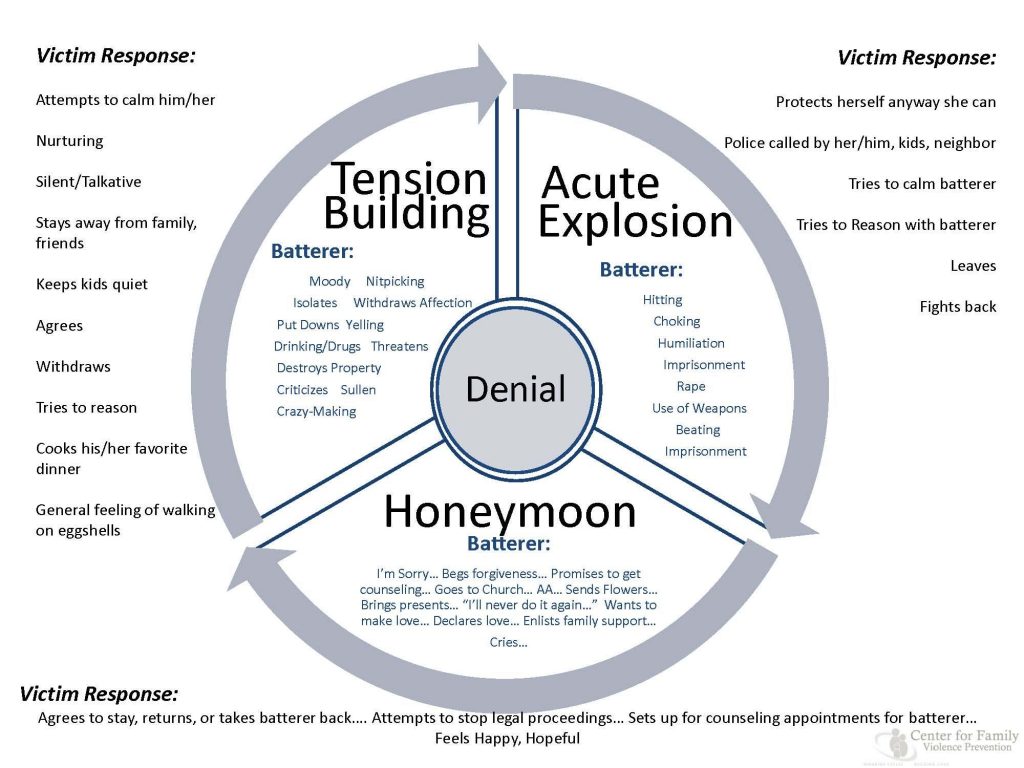
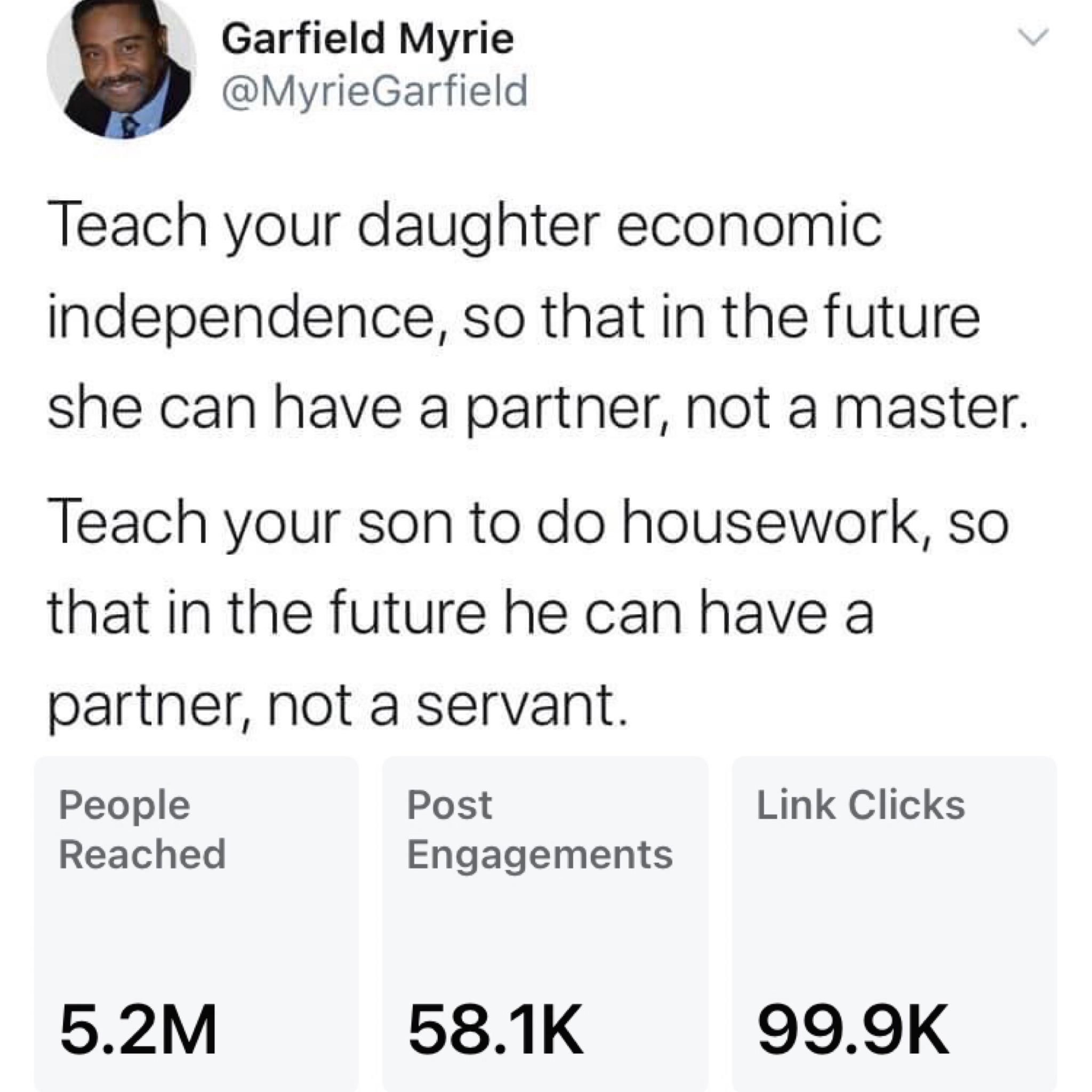
To begin, here is a link to a short article I wrote on the dynamics of abuse for my denomination’s digital magazine, and here are some useful images for familiarization with the dynamics of abuse:

Abuse Advocates and Experts (in alphabetical order):
*book links are to my Amazon Affiliate store: thebeautif017-20
Dr. Dan Allender – The Allender Center
Bio: Prominent Christian therapist, author, professor, and speaker focusing on sexual abuse and trauma recovery
Website: www.theallendercenter.org
Book: The Wounded Heart: Hope for Adult Victims of Childhood Sexual Abuse
Social media: Facebook, Instagram, Twitter, YouTube, Vimeo
Shahida Arabi – Self-Care Haven
Bio: Columbia U grad who studied bullying; best-selling author specializing in narcissism and self-care
Website: shahidaarabi.com, Self-Care Haven blog
Books: Becoming the Narcissist’s Nightmare; POWER: Surviving and Thriving after Narcissistic Abuse
Social Media: Facebook, Instagram, Twitter
Lundy Bancroft
Bio: 25 years experience in the fields of abuse, trauma and recovery; counseling, workshops and public speaking
Website: lundybancroft.com
Books: Why Does He Do That? Inside the Minds of Angry and Controlling Men; Should I Stay or Should I Go?
Social media: Facebook
Laura Barringer
Bio: Educator, Advocate and Co-Author of A Church Called Tov
Website: linktr.ee/laurabarringer
Book: A Church Called Tov: Forming a Goodness Culture That Resists Abuses of Power and Promotes Healing
Social media: Instagram, Twitter
Andrew J. Bauman
Bio: Christian Author, Therapist, & Abuse Advocate. Helping men become sexually healthy.
Website: andrewjbauman.com
Books: The Sexually Healthy Man, The Psychology of Porn, Stumbling Toward Wholeness
Social media: Facebook, Instagram, Twitter, YouTube, Podcast
Gretchen Baskerville – Life Saving Divorce
Bio: Christian Divorce Recovery Minister, Author and Abuse Advocate
Website: lifesavingdivorce.com
Book: The Life Saving Divorce: Hope for People Leaving Destructive Relationships
Social media: Facebook, Twitter, Vimeo
Nichole Braddock Bromley – One Voice
Bio: Author, International Speaker, Sexual Abuse Survivor, and Activist
Website: iamonevoice.com
Social media: Facebook, Twitter, Instagram, Podcast
Jeff Crippen – Unholy Charade
Bio: Pastor, Author and Abuse Advocate
Website: unholycharade.com
Books: A Cry for Justice; Unholy Charade
Social media: Twitter, Sermon Audio: 21 sermons on abuse
Chuck DeGroat
Bio: Professor of Pastoral Care and Christian Spirituality at Western Seminary; Therapist; Author
Website: www.chuckdegroat.net
Book: When Narcissism Comes to Church: Healing Your Community from Emotional and Spiritual Abuse
Social media: Facebook, Twitter, Instagram
Rachael Denhollander
Bio: Lawyer, first accuser of Larry Nassar; Abuse Advocate and Consultant
Website: rachaeldenhollander.com
Book: What is a Girl Worth?; How Much is a Little Girl Worth?
Social media: Facebook, Twitter
F. Remy Diederich
Bio: Pastor, Author – helps people overcome life’s hurts with God’s help
Website: readingremy.com
Books: Broken Trust, Healing the Hurts of Your Past
Social media: Facebook
Patrick Doyle
Bio: Abuse survivor, Coach for those affected by emotional abuse, Speaker
Website: patrickdoyle.life
Social media: Facebook, Instagram, YouTube
Ashley Easter – Courage 365
Bio: Founder of Courage 365, a catalyst to cultivate and empower a Justice Generation that resists abuse everywhere
Website: courage365.org
Social media: Facebook, Twitter, Instagram, YouTube
Bob & Helga Edwards
Bio: Christian Therapists and Public Speakers
Website: awakedeborah.com
Book: Addressing Domestic Violence in the Church
Social media: Facebook
Maureen Farrell Garcia
Bio: Christian Writer, Speaker, Instructor, and Abuse Victim-Survivor Advocate
Website: maureenfgarcia.com
Social media: Twitter
Give Her Wings
Mission: We serve, without judgment and with compassion, single mothers who have left abusive relationships. Our goal is to show them the community and body of the Church, when they otherwise are not finding it.
Website: giveherwings.com
Social media: Facebook, Twitter
GRACE – Godly Response to Abuse in the Christian Environment
Mission: Empowering Christian communities to recognize, prevent, and respond to abuse. Founded in 2004.
“With a combined experience of over 100 years of addressing abuse-related issues, GRACE has accumulated and organized a wealth of resources from mental health experts, former prosecutors, and theologians to give you and your organization a well-rounded, robust, and deep understanding of abuse and how to prevent it. We all can make a difference by learning about abuse, become equipped on how to recognize it, and committing to responding appropriately. Browse the categories below to learn more.”
Website: netgrace.org
Social media: Facebook, YouTube; founder Boz Tchividjian on Twitter
Natalie Hoffman – Flying Free Sisterhood
Bio: Author, Podcaster and Life Coach for women recovering from abusive marriages and churches
Website: flyingfreenow.com
Book: Is it me? Making sense of your confusing marriage
Social media: Facebook, Instagram, Twitter, Podcast
Kyle J. Howard
Bio: Christian Theologian, preacher, & trauma informed soul care provider; Survivor of racial and spiritual abuse
Website: kylejhoward.com
Social media: Facebook, Twitter
Mariam Ibraheem – Tahrir Alnisa Foundation
Bio: Survivor of Sudanese Prison and Domestic Violence; Director of Global Mobilization and Co-Founder of TAF
Website: tahriralnisa.org
Mission: “We empower women escaping abuse by assisting with housing, medical care, trauma recovery, and legal fees.”
Social media: Facebook, Twitter, Instagram, YouTube
Virginia Knowles
Bio: Practical Theologian researching authoritarian and/or aberrant religious movements, spiritual abuse and family dysfunction
Website: virginiaknowles.com
Forthcoming book: Burned: Rising from the ashes of spiritual crisis
Dr. Diane Langberg
Bio: Christian Psychologist with 50 years experience counseling trauma survivors; Speaker, Consultant, Author
Website: dianelangberg.com
Books: Suffering and the Heart of God, Redeeming Power: Understanding Authority and Abuse in the Church
Social media: Twitter
This video is an excellent discussion about Ravi Zacharias’ decades long deceit and abuse and the system that enabled him:
Bekah Legg – Restored
Bio: Director of Restored, “Working alongside churches to end violence against women”
Website: restored-uk.org, bekahlegg.com
Social media: Restored’s Facebook, Twitter, YouTube; Bekah’s Twitter
Sarah McDugal
Bio: Empowering women to recover from abuse in the faith community. Coaching + Courses + Groups
Website: wildernesstowild.com
Books: Safe Churches: Responding to Abuse in the Faith Community; Myths We Believe, Predators We Trust
Social media: Facebook, Twitter, Instagram, Pinterest, YouTube
Scot McKnight
Bio: Professor at Northern Seminary, Theology Blogger, Co-Author of A Church Called Tov
Website: Jesus Creed
Book: A Church Called Tov: Forming a Goodness Culture that Resists Abuse and Promotes Healing
Social media: Facebook, Twitter
Chris Moles – PeaceWorks University
Bio: Pastor, Speaker, Biblical Counselor addressing domestic violence
Website: chrismoles.com
Book: The Heart of Domestic Abuse: Gospel Solutions for Men Who Use Control and Violence in the Home
Social media: Facebook, Twitter, The Safest Place: Domestic Abuse and the Church FB group
Wade Mullen
Bio: M.Div Program Director at Capital Seminary & Graduate School, Author, Abuse Advocate
Website: wadetmullen.com
Book: Something’s Not Right: Decoding the Hidden Tactics of Abuse and Freeing Yourself from Its Power
Social media: Facebook, Twitter
Julie Owens
Bio: Expert Consultant, Trainer and Keynote Speaker on violence against women and trauma
Website: domesticviolenceexpert.org
Social media: Facebook, Twitter
Naghmeh Abedini Panahi – Tahrir Alnisa Foundation
Bio: Iranian Church Planter and Domestic Violence Survivor; Executive Director and Co-Founder of TAF
Website: tahriralnisa.org
Mission: “We empower women escaping abuse by assisting with housing, medical care, trauma recovery, and legal fees.”
Social media: Facebook, Twitter, Instagram, YouTube
Brian Peck – Room to Thrive
Bio: Licensed Therapist, Trauma Coach, helping people resolve religious trauma and thrive after deconstruction
Website: roomtothrive.com
Social media: Facebook, Instagram, Twitter, YouTube
Sarah K. Ramsey – Toxic Person Proof
Bio: Toxic Relationship Specialist, Author, Podcaster, Consultant
Website: sarahkramsey.com
Book: Becoming Toxic Person Proof
Social media: Facebook, Twitter, Instagram, YouTube, Podcast
Dr. Anna Salter
Bio: Training, Consulting and Publications on Sex Abuse, Offenders, and Victimization
Website: annasalter.com
Book: Predators, Pedophiles, Rapists and Other Sex Offenders
Documentary: Predators
Dr. Christy Gunter Sim
Bio: Expert Training, Advising and Consulting on Domestic Violence, Sexual Assault, and Trauma Healing
Website: drchristysim.com
Book: Survivor Care: What Religious Professionals Need to Know about Healing Trauma
Social media: Facebook, Twitter, Instagram
Eric Skwarczynski – Preacher Boys
Bio: A podcast and upcoming documentary shedding light on decades of abuse within the Independent Fundamental Baptist movement
Website: preacherboysdoc.com
Social media: Facebook, Twitter (Preacher Boys), Twitter (Eric), Instagram, YouTube, Podcast
Julie Anne Smith – Spiritual Sounding Board
Bio: Blogger, Abuse Advocate and Survivor; “Out of our wounds flow compassion, understanding, & grace. May we all be ‘wounded healers’ who do no harm.“
Website: spiritualsoundingboard.com
Social media: Facebook, Twitter
Shanell T. Smith
Bio: Minister, Professor, Consultant, Author, Survivor
Website: shanelltsmithconsulting.com
Book: Touched: For Survivors of Sexual Assault Like Me Who Have Been Hurt by Church Fol…
Social media: Facebook, Twitter, Instagram, YouTube
Elaine Storkey
Bio: Writer, Broadcaster, Speaker, Author, Christian Feminist
Website: elainestorkey.com
Book: Scars Across Humanity: Understanding and Overcoming Violence Against Women
Social media: Twitter
Darby Strickland
Bio: Biblical Counselor, Speaker and Author
Website: darbystrickland.com
Book: Is it Abuse? A Biblical Guide to identifying domestic abuse and helping victims
Social media: Facebook, Instagram, Twitter
The Hope of Survivors
Mission: A non-profit dedicated to assisting victims of clergy sexual abuse and misconduct
Website: thehopeofsurvivors.org
Social media: Facebook, Twitter, YouTube
Shannon Thomas
Bio: Trauma Therapist, Author
Website: shannonthomas.com
Book: Healing from Hidden Abuse, Exposing Financial Abuse
Social media: Facebook, Instagram
Lori Anne Thompson
Bio: Registered Kinesiologist and expertise in the protection of people from the ravages of poverty, adverse childhood experience, and interpersonal violence. Survivor of Ravi Zacharias abuse.
Website: loriannethompson.com
Social media: Twitter
This interview is a must see. Lori Anne articulates the dynamics of abuse so profoundly and carefully with great expertise.
Dr. Ruth Tucker
Bio: Former Professor at Calvin Theological Seminary, Author
Website: ruthtucker.com
Book: Black and White Bible, Black and Blue Wife
Tom Vermillion
Bio: Pastor, Author
Website: tomvermillion.com
Book: Born To Be Free: Discovering Christ’s Power to Set You Free from a Painful Past
Social media: Twitter
Leslie Vernick
Bio: Speaker, Author, and Licensed Clinical Social Worker and Relationship Coach
Website: leslievernick.com
Books: The Emotionally Destructive Marriage
Social media: Facebook, Twitter, Instagram, YouTube
Who would you add? Let me know in the comments! Please share this important information!
*I am an Amazon Affiliate and may receive a percentage from books sales from the links above.




 The Beautiful Kingdom Builders